The Hidden Gears of Inflation: How Global Supply Chains Shape Your Grocery Bill
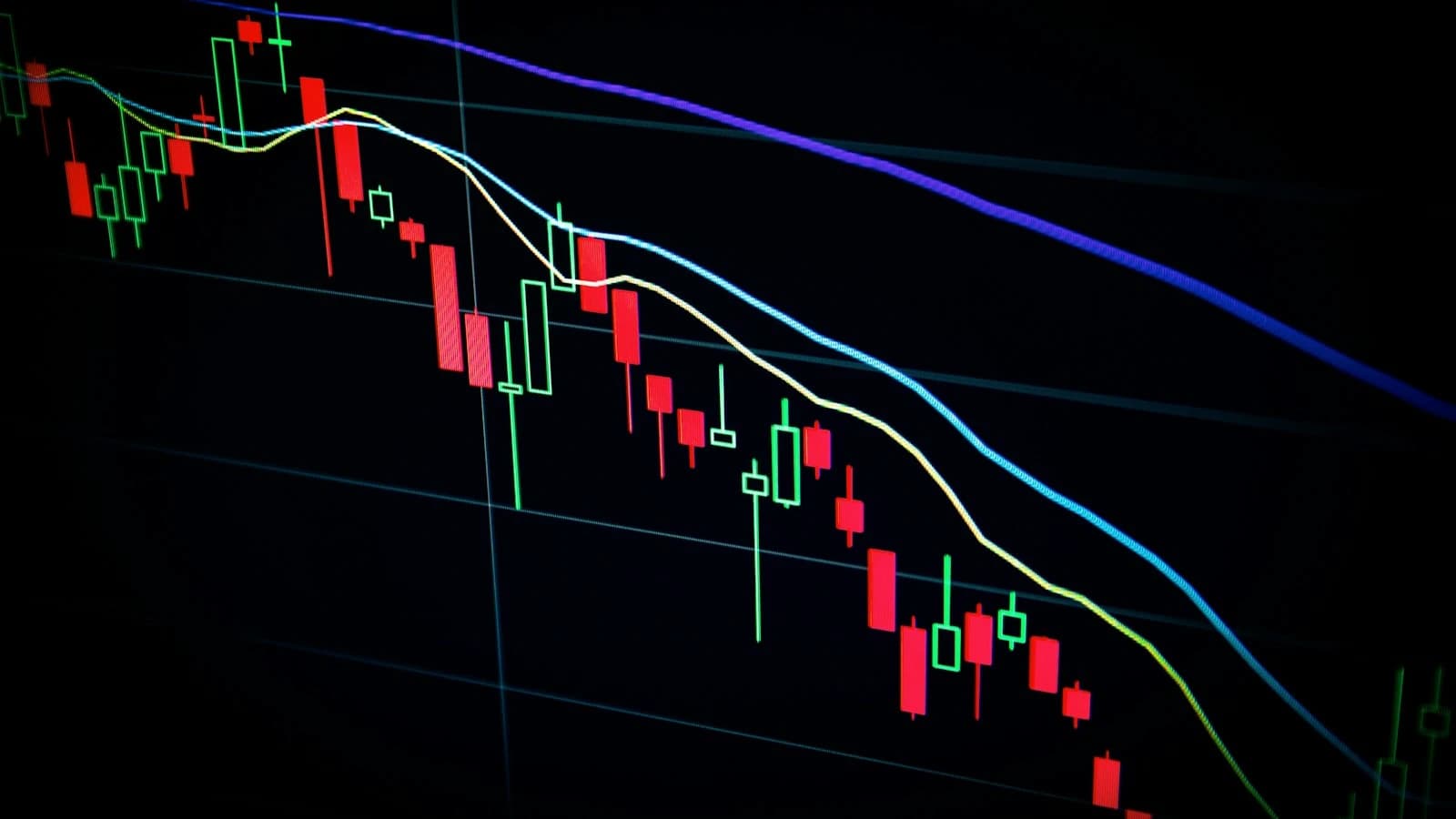
Have you ever wondered why a simple morning cup of coffee or a basic grocery run suddenly burns a larger hole in your wallet? The answer rarely lies in your local supermarket's profit margins. Instead, it traces back thousands of miles across oceans, container terminals, and bustling freight hubs. Modern consumer prices are tethered to a fragile, hyper-interconnected web of international logistics and manufacturing networks.
The Anatomy of a Global Price Surge
When we dissect global inflation causes, economists point far beyond simple domestic money printing. The true engine of modern price volatility is supply chain economics. When a labor strike paralyzes a major port in Europe, or a geopolitical conflict shuts down critical maritime trade lanes in the Middle East, the ripple effects hit local store shelves within weeks.
Consider the journey of an ordinary consumer good, such as a smartphone or a pair of sneakers. Raw materials are mined in South America, processed in Southeast Asia, assembled in East Asia, shipped via mega-container vessels across the Pacific, and finally trucked to a distribution center near you. At every single node in this chain, costs accumulate. If fuel prices spike, container availability drops, or trade tariffs shift, the cumulative pressure explodes into higher retail price tags.
Currency Value Shifts and Imported Inflation
Beyond physical logistics, currency value shifts play a silent yet devastating role in everyday household budgets. When a nation's local currency weakens against major global reserves like the US Dollar, purchasing imported food, energy, and manufactured goods becomes instantly more expensive. This phenomenon, known as 'imported inflation,' means that even if a country produces plenty of domestic goods, its citizens still suffer price shocks because key inputs—like crude oil, microchips, and agricultural fertilizers—are priced globally in hard currencies.
| Economic Factor | Direct Impact on Logistics | Resulting Consumer Price Effect |
|---|---|---|
| Rising Fuel Costs | Higher bunker fuel and trucking surcharges | Increased shipping fees baked into retail goods |
| Port Congestion | Extended turnaround times and vessel delays | Inventory shortages and premium pricing |
| Currency Devaluation | Higher cost of settling international trade invoices | Inflated price tags on imported food and electronics |
| Geopolitical Tides | Rerouting around dangerous maritime bottlenecks | Longer transit times and elevated operational overhead |
Navigating the Storm: Cost of Living Strategies
Understanding how macroeconomics dictates your personal finances is empowering, but surviving the squeeze requires concrete action. Implementing smart budgeting tips can shield your household from the worst of global price swings.
- Audit Your Subscriptions and Fixed Costs: In inflationary environments, recurring monthly expenses quietly drain purchasing power. Review bank statements and ruthlessly trim unused services.
- Embrace Seasonal and Local Consumption: When international shipping costs surge, locally grown produce and regional goods often provide a reliable hedge against imported inflation.
- Build a Strategic Pantry Buffer: Buying shelf-stable staples in bulk during promotional cycles cushions against sudden grocery spikes driven by agricultural supply shocks.
- Optimize Energy Efficiency: Global energy volatility translates directly to utility bills. Simple upgrades around the home can drastically reduce monthly overhead.
Building Financial Resilience in an Unpredictable World
The era of hyper-optimized, frictionless global trade has given way to an era of resilience and diversification. Governments and multinational corporations are actively reshaping supply chains—moving toward 'nearshoring' and 'friendshoring' to insulate themselves from future crises. While these structural shifts may take years to fully stabilize consumer prices, understanding the underlying mechanisms allows proactive individuals to adapt, protect their savings, and navigate economic turbulence with confidence.
Frequently Asked Questions
Direct answers to common questions regarding this topic.
What are the primary causes of global inflation today?▼
Global inflation is primarily driven by a combination of fractured international supply chains, volatile energy and fuel costs, geopolitical trade disruptions, and rapid currency value shifts that increase the cost of imported goods.
How do supply chain bottlenecks directly increase retail prices?▼
When shipping containers become scarce, ports experience congestion, or vessels are forced to take longer routes, operational costs skyrocket. Freight carriers pass these expenses onto manufacturers, who ultimately bake them into everyday retail prices.
What is imported inflation and how does it affect local consumers?▼
Imported inflation occurs when a country's local currency weakens against the US dollar or other major currencies. Because essential commodities like oil, food, and raw materials are priced globally, a weaker currency makes purchasing these imports significantly more expensive for local citizens.
What are the best cost of living strategies during high inflation?▼
Effective strategies include auditing recurring subscription services, shifting toward locally sourced food and seasonal produce, buying non-perishable goods in bulk, and optimizing household energy consumption to mitigate utility price surges.
Related Insights & Trends
Discover more articles from our modern technology editorial hub.