The Great Power Shift: Inside the Solar, Hydrogen, and Green Tech Revolution Remaking Our World
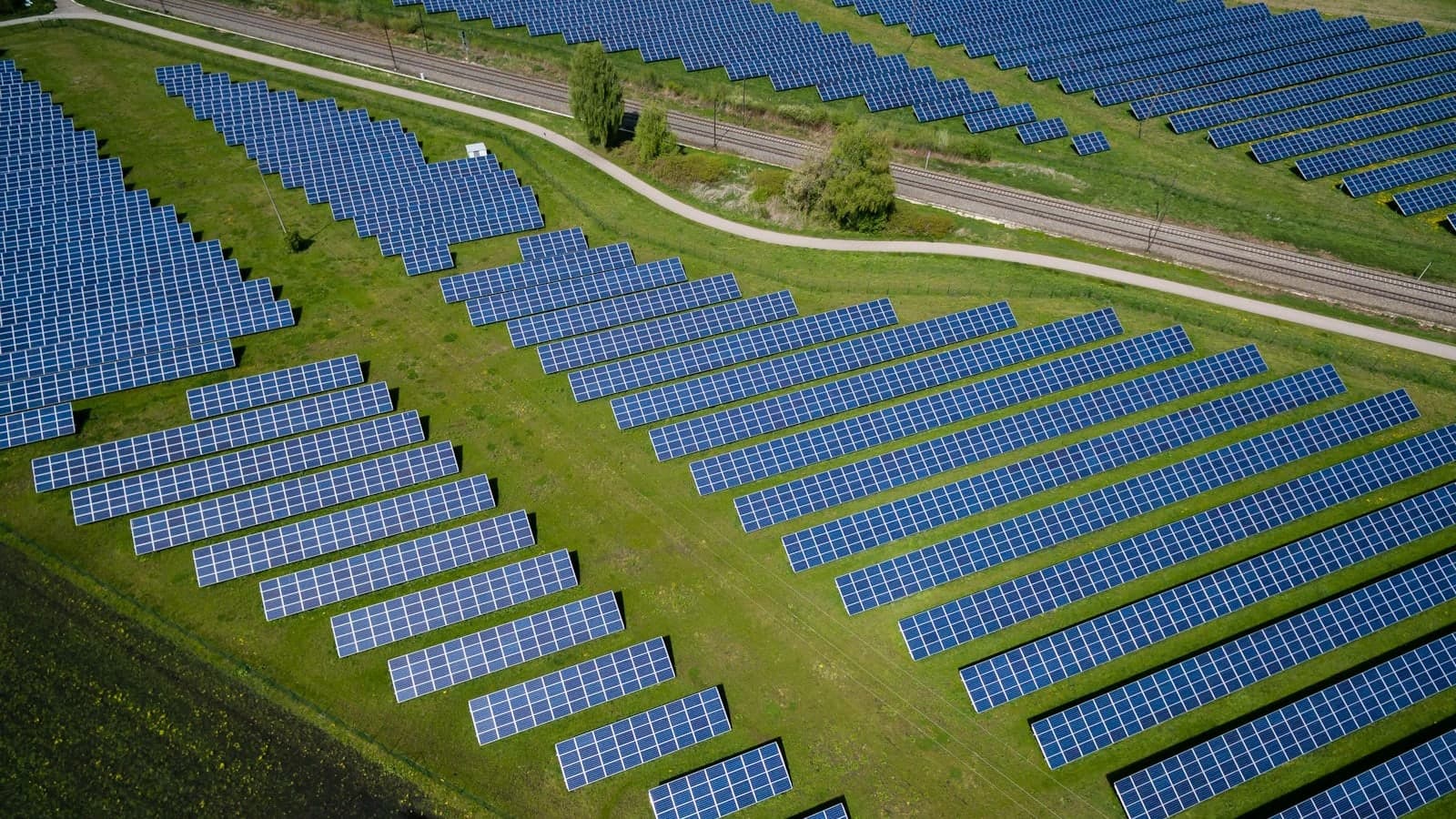
Deep in the sprawling expanses of the Atacama Desert and across the shimmering salt flats of Inner Mongolia, a silent, high-stakes industrial revolution is unfolding. Miles of photovoltaic glass drink in the relentless sun, converting radiation into raw electricity with efficiencies that would have seemed like science fiction just a decade ago. At the same time, massive electrolysis plants crack water molecules apart using surplus renewable electricity, birthing the era of green hydrogen.
We are living through the most profound restructuring of global power dynamics since the discovery of oil. This is not merely an environmental crusade to cool a warming planet; it is a brutal, high-stakes race for economic supremacy. Nations that master the solar energy revolution and green hydrogen infrastructure will dictate the geopolitical and financial terms of the twenty-first century.
The Macroeconomics of the Renewable Wave
For over a century, global power followed a simple rule: whoever controlled the flow of hydrocarbons held the leverage. Today, that paradigm is fracturing. The marginal cost of solar generation has plummeted by nearly 90% over the last fifteen years, making it the cheapest source of electricity in history across most of the globe.
This collapse in cost is driving unprecedented renewable energy trends. Emerging markets, historically shackled by volatile oil prices and expensive imported fossil fuels, are leapfrogging traditional grid infrastructures. From micro-grids lighting up remote villages in Sub-Saharan Africa to colossal hyper-scale solar farms powering industrial hubs in the Middle East, the democratization of energy is well underway.
Why Global Supply Chains are Rewriting the Rules
Behind every shiny silicon panel lies a grueling industrial chess match. The supply chain for climate change tech solutions spans continents—from high-purity polysilicon refinement to rare-earth mineral extraction in Latin America and advanced battery cell manufacturing in East Asia.
Governments from Washington to Brussels are aggressively subsidizing domestic manufacturing to secure their supply chains. The modern economy demands resilience, and the realization that a single geopolitical choke point can freeze green technology deployment has triggered a global manufacturing gold rush.
The Rise of Green Hydrogen: Fueling the Unplugged Sectors
While solar and wind can effortlessly power our homes, offices, and light vehicles, they stumble when facing heavy industry. How do you decarbonize a massive container ship crossing the Pacific? How do you generate the blistering heat required to forge virgin steel or manufacture commercial aviation fuel?
Enter green hydrogen energy. By utilizing surplus renewable electricity to split water into hydrogen and oxygen, engineers have unlocked an energy carrier that burns clean, packs dense energy, and can replace natural gas or diesel in heavy industrial applications.
| Technology | Primary Fuel Source | Main Industrial Application | Current Scalability Index |
|---|---|---|---|
| Utility-Scale Solar | Sunlight | Grid Electricity & Residential Power | High / Rapidly Expanding |
| Green Hydrogen | Water & Renewable Power | Heavy Industry, Shipping, Aviation | Medium / Emerging Infrastructure |
| Next-Gen Batteries | Lithium, Sodium, Solid-State | Electric Vehicles & Grid Storage | High / Supply-Chain Dependent |
| Geothermal Base-load | Subterranean Heat | Continuous 24/7 Regional Power | Moderate / Location-Restricted |
Translating Macro Trends to Practical Reality: Energy Saving Hacks for Everyday Life
You do not need to be a billionaire venture capitalist or a mega-utility executive to participate in the clean energy transition. In fact, soaring conventional energy prices have made adopting decentralized green tech an exceptional personal finance strategy.
Actionable Steps to Future-Proof Your Energy Footprint
- Audit Your Phantom Loads: Standby power consumption accounts for up to 10% of a typical household's electricity bill. Integrate smart power strips to cut power to dormant entertainment systems and home offices.
- Evaluate Decentralized Storage: If you live in an area prone to grid instability or high peak-hour utility rates, pairing rooftop solar arrays with home battery storage yields rapid ROI.
- Optimize Thermal Dynamics: Smart thermostats integrated with machine learning algorithms can drastically slash heating and cooling waste by learning your daily schedule.
- Embrace Electrification: When legacy appliances reach the end of their lifecycle, transition away from natural gas to high-efficiency heat pumps and induction cooktops.
The global transition to clean energy is no longer a distant theoretical goal—it is the beating heart of modern economics. By understanding these tectonic shifts, individuals and businesses can not only protect themselves against economic volatility but also position themselves at the forefront of the greatest industrial transformation in human history.
Frequently Asked Questions
Direct answers to common questions regarding this topic.
What is the primary driver behind the current global transition to clean energy?▼
The primary drivers are the drastic drop in the cost of solar and wind technologies, coupled with urgent geopolitical mandates to secure energy independence and mitigate climate change.
Why is green hydrogen considered so important for heavy industry?▼
While batteries excel at powering cars and homes, sectors like steel manufacturing, aviation, and maritime shipping require high energy density that electricity alone cannot easily provide. Green hydrogen offers a clean chemical alternative to fossil fuels in these hard-to-abate sectors.
How can everyday consumers benefit from renewable energy trends right now?▼
Consumers can lower their utility bills and carbon footprints by installing rooftop solar panels, adopting smart home energy management systems, upgrading to heat pumps, and reducing standby phantom energy loads.
Are rare-earth mineral shortages going to halt the green tech revolution?▼
While supply chain constraints for lithium, cobalt, and nickel present short-term hurdles, massive R&D investments in alternative chemistries like sodium-ion batteries and improved recycling infrastructure are actively mitigating these risks.
Related Insights & Trends
Discover more articles from our modern technology editorial hub.