The Great Power Shift: Inside the Solar Energy Revolution, Green Hydrogen, and the New Industrial Age
- 1.The Solar Energy Revolution: Exponential Growth and Grid Decentralization
- 2.Green Hydrogen Energy: Fueling the Hard-to-Abate Sectors
- 3.Comparative Breakdown of Clean Energy Tech
- 4.Decoding Renewable Energy Trends and Global Realities
- 5.Practical Energy Saving Hacks for the Modern Household
- 6.The Road Ahead: Navigating the New Industrial Era
The Great Power Shift: Inside the Solar Energy Revolution, Green Hydrogen, and the New Industrial Age
Geopolitics is no longer just mapped by oil pipelines and maritime chokepoints; it is redrawn by silicon wafers, high-capacity electrolyzers, and rare-earth supply chains. Across the globe, an unprecedented industrial transformation is unfolding. As nations race to meet stringent climate targets while safeguarding their economic security, the traditional fossil-fuel paradigm is steadily giving way to an electrified, decentralized reality.
For decades, clean energy was framed as an idealistic environmental crusade. Today, it is the ultimate economic survival strategy. From massive solar arrays blanketing the Atacama Desert to colossal green hydrogen mega-projects rising along the coast of Western Australia, the transition is rewriting the rules of international trade. Understanding these shifts is essential not only for policymakers and investors, but for everyday citizens trying to navigate rising utility bills and a changing climate.
The Solar Energy Revolution: Exponential Growth and Grid Decentralization
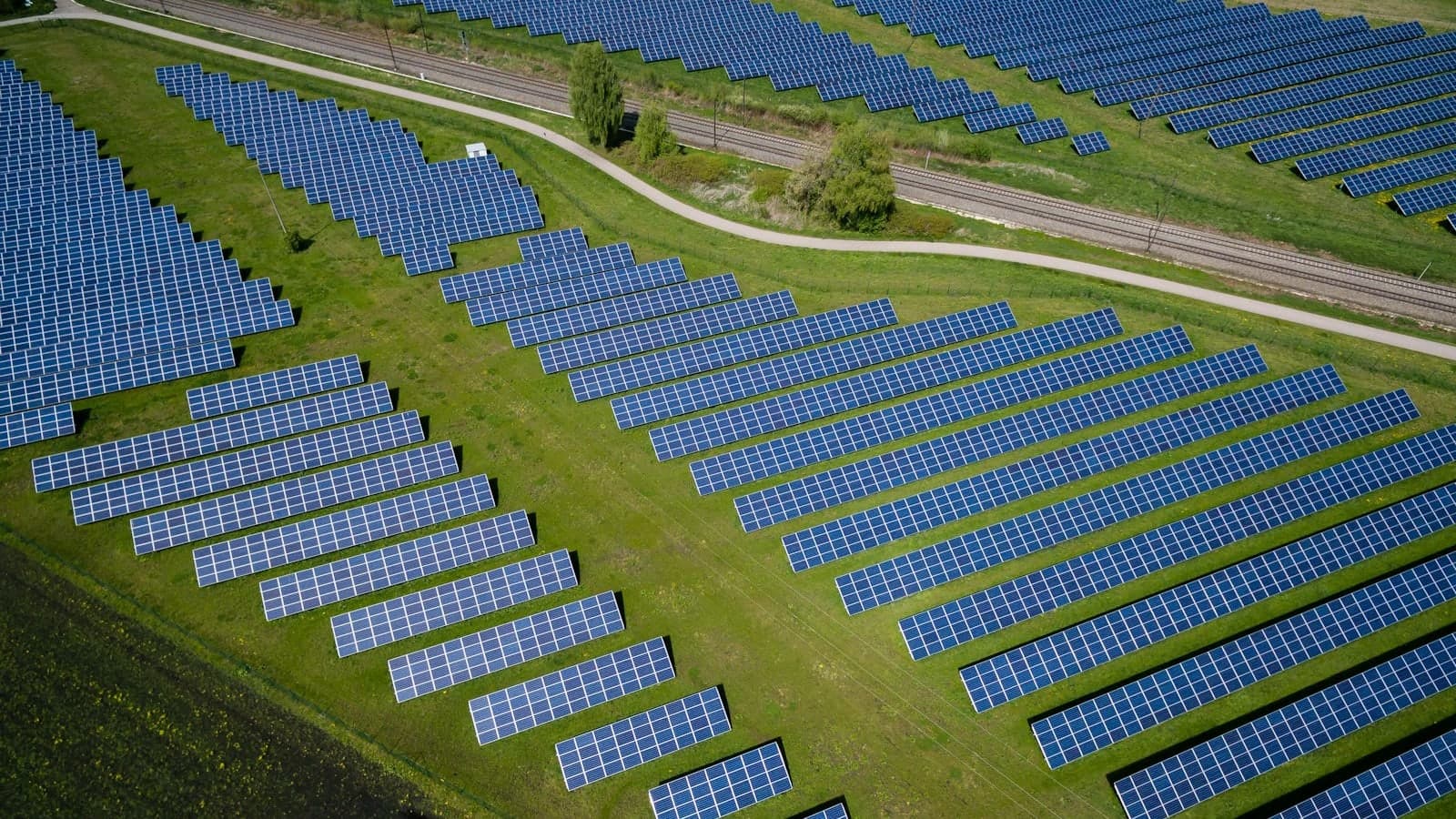
Ask any energy economist about the trajectory of photovoltaic (PV) technology, and they will point to a single, staggering statistic: the cost of solar module manufacturing has plummeted by nearly 90% over the past decade. This dramatic price deflation has triggered a literal solar energy revolution, turning what was once a subsidized niche into the cheapest source of new electricity generation in history.
Scaling Up: From Rooftops to Desert Megaprojects
We are witnessing a two-pronged expansion in solar power. On one hand, hyper-scale utility projects are being deployed across vast tracts of arid land, feeding gigawatts of power into national transmission grids. On the other hand, a quiet democratization is occurring at the residential level. Millions of homeowners are transforming their properties from passive energy consumers into active prosumers.
By pairing rooftop solar panels with modular battery storage systems, households are insulating themselves against grid instability and volatile fossil-fuel prices. This decentralization of power generation is fundamentally altering the utility business model, forcing legacy power companies to pivot toward smart-grid management and storage solutions.
Green Hydrogen Energy: Fueling the Hard-to-Abate Sectors
While solar and wind excel at generating electrons for light, heat, and passenger vehicles, entire sectors of the global economy—such as steelmaking, maritime shipping, and long-haul aviation—cannot be easily electrified with standard lithium-ion batteries. Enter green hydrogen energy.
Produced by splitting water molecules using renewable electricity via an electrolyzer, green hydrogen acts as an energy-dense chemical carrier. When burned or utilized in fuel cells, its only emission is water vapor.
The Economics of the Hydrogen Economy
Governments from the European Union to the United States and Japan are pouring billions into green hydrogen subsidies, recognizing it as a critical pillar of climate change tech solutions. However, challenges remain. Transporting hydrogen requires extreme pressures or cryogenic cooling, and the current manufacturing process demands massive amounts of clean electricity.
Despite these hurdles, early-mover economies are establishing international supply corridors. Nations with abundant solar and wind resources, such as Chile, Morocco, and Namibia, are positioning themselves to become the major energy exporters of the 21st century, supplanting traditional petrostates.
Comparative Breakdown of Clean Energy Tech
| Technology | Primary Application | Major Economic Advantage | Current Bottleneck |
|---|---|---|---|
| Utility-Scale Solar | Grid electricity generation | Lowest levelized cost of electricity | Intermittency requiring storage |
| Green Hydrogen | Heavy industry, shipping, aviation | Zero-emission chemical energy storage | High production and transport costs |
| Home Battery Systems | Residential backup and load shifting | Peak-rate avoidance and grid independence | High initial upfront equipment cost |
Decoding Renewable Energy Trends and Global Realities
The transition to clean energy is not moving at the same pace everywhere. Emerging markets are leapfrogging traditional grid infrastructures, adopting decentralized microgrids powered by solar and wind much like they leapfrogged landline telephones in favor of mobile cellular networks.
At the same time, supply chain dependencies have introduced new geopolitical tensions. The extraction and processing of critical minerals—such as lithium, cobalt, nickel, and rare earth elements—are heavily concentrated in a handful of nations. Diversifying these supply chains is now a top national security priority for Western economies.
Practical Energy Saving Hacks for the Modern Household
While global infrastructure shifts dominate headlines, individuals can take immediate control of their carbon footprint and energy expenditures. Here are high-impact strategies to optimize energy use at home:
- Audit Your Phantom Loads: Electronics plugged into standby mode account for up to 10% of residential electricity bills. Utilize smart power strips to completely cut power when devices are not in use.
- Optimize Thermal Mass: Program smart thermostats to pre-heat or pre-cool your home during off-peak hours when renewable energy penetration on the grid is highest and electricity is cheapest.
- Invest in LED and Heat Pump Upgrades: Transitioning to high-efficiency heat pumps for climate control slashes heating and cooling energy consumption by up to 50% compared to traditional resistance heaters.
- Evaluate Time-of-Use Tariffs: Coordinate heavy energy-use chores (like running dishwashers or washing machines) during off-peak daylight hours when solar generation peaks.
The Road Ahead: Navigating the New Industrial Era
The global transition to clean energy is irreversible. Driven by relentless technological innovation, plummeting costs, and the undeniable physical realities of a warming planet, the international community is building a new energy foundation. The success of this transition will depend on smart regulatory frameworks, robust international cooperation, and a commitment to ensuring that the economic benefits of the green economy are shared equitably across all layers of society.
Frequently Asked Questions
Direct answers to common questions regarding this topic.
Why is solar energy now cheaper than fossil fuels?▼
Massive economies of scale in manufacturing, technological efficiency gains, and standardized installation processes have driven down the cost of solar panels by nearly 90% over the past decade.
What makes green hydrogen different from traditional hydrogen?▼
Green hydrogen is produced by splitting water using renewable electricity (like solar or wind), resulting in zero carbon emissions. Traditional hydrogen is typically derived from natural gas, releasing significant greenhouse gases.
How can homeowners benefit from renewable energy trends right now?▼
Homeowners can install rooftop solar panels combined with battery storage systems, utilize smart thermostats, and take advantage of government tax credits and local utility rebates.
What are the biggest challenges facing the global clean energy transition?▼
Key challenges include upgrading outdated electrical grids to handle intermittent power sources, securing critical mineral supply chains, and reducing the costs of green hydrogen production and storage.
Related Insights & Trends
Discover more articles from our modern technology editorial hub.