The Great Power Shift: Inside the Solar, Hydrogen, and Green Tech Revolution Remaking Our World
The Trillion-Dollar Pivot: How Clean Energy Rewrote Geopolitics
For a century, the global map of power was painted in crude oil black and natural gas blue. Nations rose and fell based on subterranean geography, piping hydrocarbons across borders to fuel the modern empire. Today, that map is undergoing a violent, beautiful cartographic redraw. The sun doesn't send an invoice, and the wind doesn't require a maritime blockade.
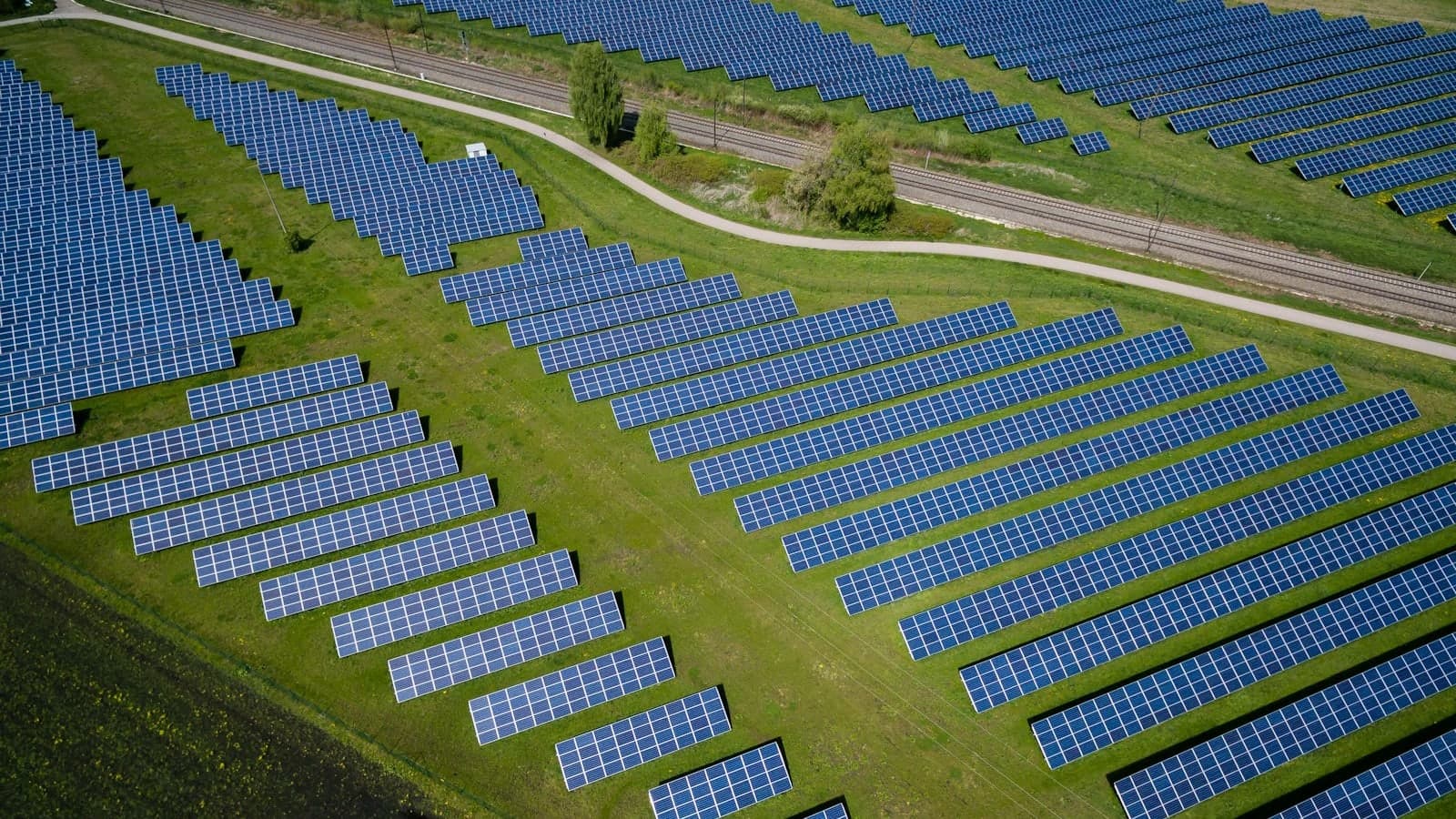
We are living through the fastest industrial transformation in human history. The solar energy revolution is no longer a fringe environmental crusade; it is the dominant economic force driving capital markets from Wall Street to Shenzhen. Mega-infrastructure projects like the Noor Abu Dhabi solar park and Australia's visionary Asian Renewable Energy Hub are generating gigawatts of clean electricity, rendering fossil-fuel baseload power increasingly obsolete. But scaling a civilization past fossil fuels requires more than just panels capturing daytime rays. It demands a suite of climate change tech solutions that can store, transport, and distribute energy across continents.
Enter the new frontier: green hydrogen. If solar is the muscle of the new grid, hydrogen is its long-haul trucker, capable of powering steel mills, cargo ships, and aviation. Together, these renewable energy trends are forcing corporations, nation-states, and citizens to adapt or face economic extinction.
The Anatomy of the Solar Energy Revolution
To understand why solar power has won the economic war against coal, you have to look at the relentless physics of the learning curve. Every time cumulative solar manufacturing doubles, the cost drops by roughly 20%. Over the past decade, photovoltaic (PV) module prices have plummeted by over 80%.
This dramatic price deflation has triggered a decentralization of power. Microgrids in remote African villages, rooftop solar arrays in suburban California, and agrivoltaics—where crops grow beneath elevated solar panels—are redefining what it means to generate electricity. Utility-scale batteries are finally solving the intermittency problem, allowing sunshine captured at noon to power electric vehicles at midnight.
The Rise of Green Hydrogen Energy
While electrons work wonderfully for cars and residential heating, heavy industry poses a tougher puzzle. You cannot easily fly a Boeing 777 or smelt iron ore with a lithium-ion battery. This is where green hydrogen energy steps into the spotlight.
Produced by splitting water molecules using renewable electricity via an electrolyzer, green hydrogen is entirely carbon-free. When burned or used in fuel cells, its only byproduct is water vapor. Nations blessed with abundant sun and wind—such as Chile, Morocco, and Australia—are positioning themselves to become the new Saudi Arabias of the green hydrogen economy, exporting clean fuel to industrialized nations hungry for decarbonization.
| Technology | Primary Function | Cost Trend | Main Challenge |
|---|---|---|---|
| Photovoltaic Solar | Daytime electricity generation | Rapidly Declining | Intermittency without storage |
| Green Hydrogen | Heavy industry & long-distance transport | Moderately High | Infrastructure & transport loss |
| Utility Lithium Batteries | Short-term grid stabilization | Declining | Raw material supply chains |
| Geothermal Energy | Continuous baseload power | Stable / High | Geographic limitations |
Why It Matters to Everyday People
Macroeconomic shifts often feel distant, yet the green transition is landing directly on household balance sheets. Amid persistent inflation and volatile utility bills, understanding how to harness these technologies locally has become a financial survival skill.
Waiting for macro-infrastructure to save your monthly budget is a losing game. The most resilient households are those adopting decentralized energy saving hacks and personal green tech integrations.
Practical Energy Saving Hacks for the Modern Household
- Audit Your Phantom Loads: Standby power accounts for up to 10% of an average home's electricity bill. Use smart power strips to completely cut power to entertainment centers and kitchen appliances when not in use.
- Optimize Thermal Mass: Programmable smart thermostats paired with proper insulation reduce HVAC strain by up to 20%, keeping your home comfortable without burning through peak-hour grid power.
- Transition to Heat Pumps: Modern air-source heat pumps are up to 300% more efficient than traditional electric resistance heaters, seamlessly blending home heating and cooling into a single efficient unit.
- Embrace Solar-Ready Living: Even if a full rooftop installation isn't in your immediate budget, installing solar-powered outdoor lighting and high-efficiency portable power stations prepares your home for extreme weather events.
The Road Ahead: Navigating the 2030s
The transition to a clean energy economy is not a straight line. Supply chain bottlenecks for critical minerals like lithium, cobalt, and copper present legitimate hurdles. Geopolitical friction over manufacturing dominance threatens to slow deployment. However, the sheer momentum of private capital ensures that the transition is irreversible.
As citizens, investors, and consumers, our role is to look past the greenwashing and lean into the structural realities. The world is electrifying everything, and the energy powering that grid is getting cleaner by the day. Those who align their lifestyles, homes, and investments with this monumental shift will find themselves not only surviving the coming decades, but thriving in them.
Frequently Asked Questions
Direct answers to common questions regarding this topic.
What makes green hydrogen different from traditional hydrogen?▼
Traditional hydrogen is typically produced from natural gas, releasing carbon dioxide into the atmosphere. Green hydrogen, on the other hand, is produced by splitting water using electricity generated exclusively from renewable sources like solar and wind, resulting in zero carbon emissions.
Are residential solar panels still a good financial investment?▼
Yes. Thanks to continuous technological advancements, plummeting hardware costs, and expanding government tax incentives, residential solar panels typically pay for themselves within 6 to 9 years, followed by decades of nearly free electricity.
How can I lower my electricity bill without installing expensive solar panels?▼
You can significantly reduce your energy consumption by upgrading to LED lighting, installing a smart programmable thermostat, eliminating phantom loads with smart power strips, and maintaining your HVAC system regularly.
Why is the transition to clean energy experiencing supply chain delays?▼
The clean energy transition relies heavily on critical minerals like lithium, nickel, cobalt, and copper. Mining, refining, and manufacturing capacities for these materials have struggled to keep pace with the exponential surge in global demand for electric vehicles and renewable infrastructure.
Related Insights & Trends
Discover more articles from our modern technology editorial hub.