The Global Clean Energy Shift: Solar Power, Hydrogen, and the Reality of Green Tech
- 1.Introduction
- 2.The Solar Surge: From Deserts to Rooftops
- 3.Green Hydrogen: The Invisible Powerhouse
- 4.Comparative Overview of Leading Clean Technologies
- 5.Renewable Energy Trends Driving the Economy
- 6.How the Transition Impacts Everyday Life
- 7.The Reality Check: Challenges and Misconceptions
- 8.Looking Ahead: 2030 and Beyond
- 9.Frequently Asked Questions (FAQ)
Introduction
The world is at a crossroads. Nations, corporations, and households are racing to replace fossil fuels with clean alternatives, and three forces dominate the conversation: solar power, green hydrogen, and a wave of tech solutions promising to make climate action practical for anyone. This guide unpacks the global milestones, economic implications, and the everyday hacks that turn lofty climate goals into tangible savings.
The Solar Surge: From Deserts to Rooftops
Why Solar Matters to Everyone
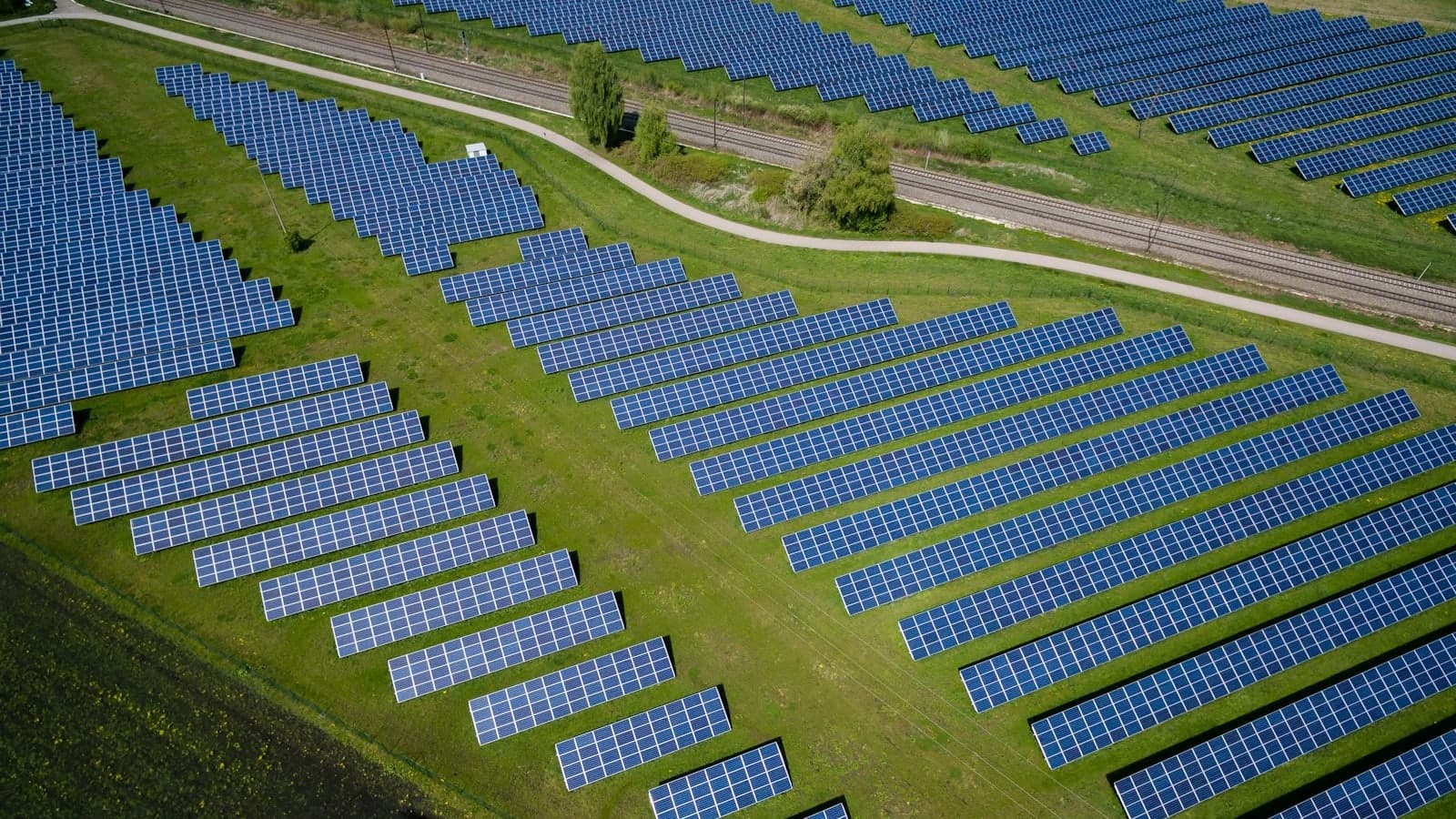
Solar energy isn’t just a headline; it’s the most rapidly deployed renewable source in history. In 2023, global solar capacity topped 1,200 GW, enough to power over 300 million homes. For the average consumer, that translates into lower electricity bills, energy independence, and a direct hedge against volatile oil prices.
Mega‑Projects Shaping the Landscape
- The Noor Ouarzazate Complex (Morocco) – 580 MW of concentrated solar power, feeding the grid for millions.
- Australia’s Sun Cable – A 20 GW undersea link that will export solar electricity to Singapore.
- U.S. Solar Tax Credit Extension (2024) – Keeps residential adoption rates above 4 GW per year.
Energy‑Saving Hacks for Homeowners
- Install high‑efficiency solar panels with a 25‑year warranty.
- Pair panels with a home battery to store excess midday power.
- Use smart thermostats to shift HVAC loads to sunny periods.
- Upgrade to LED lighting and take advantage of daylight‑linked dimmers.
Green Hydrogen: The Invisible Powerhouse
From Electrolysis to Industry
Green hydrogen is produced by splitting water with renewable electricity. While still costly, its ability to store energy for weeks, months, or even seasons makes it a linchpin for sectors that are hard to electrify—steel, shipping, and aviation.
Flagship Initiatives
- Hyundai’s Ulsan Plant (South Korea) – 1.2 GW of electrolyzers slated for 2025, targeting 200,000 tonnes of green H₂ annually.
- European Hydrogen Backbone – A proposed 40,000 km pipeline network to move hydrogen across borders.
- Chile’s Green Hydrogen Valley – Harnesses the Atacama’s sun to power massive electrolyzers for export.
Practical Steps to Reduce Your Carbon Footprint
- Choose green‑energy tariffs that source electricity from wind or solar.
- Support policies that fund hydrogen research through local voting.
- Opt for public transport or electric vehicles that will eventually run on hydrogen when the infrastructure matures.
Comparative Overview of Leading Clean Technologies
| Technology | Typical Efficiency | Key Advantage | Main Challenge |
|---|---|---|---|
| Solar PV | 15‑22% | Scalable rooftop installations | Intermittent sunlight |
| Green Hydrogen | 60‑70% (electrolysis) | Stores energy long‑term, zero‑emission fuel | High production cost |
| Wind Turbines | 35‑45% | High capacity factor in windy regions | Site‑specific permitting |
Renewable Energy Trends Driving the Economy
- Investment Surge – Global clean‑energy investment reached US$1.7 trillion in 2023, outpacing fossil‑fuel spending.
- Job Creation – Solar and wind sectors now employ 12 million workers worldwide, with hydrogen projected to add another 2 million by 2030.
- Policy Momentum – Over 130 countries have set net‑zero targets, many backed by carbon‑pricing mechanisms that make green tech financially attractive.
How the Transition Impacts Everyday Life
- Lower Utility Bills – Solar‑plus‑storage reduces reliance on peak‑hour rates.
- Energy Resilience – Communities with microgrids can stay powered during storms.
- Health Benefits – Cleaner air from reduced coal burning cuts respiratory illnesses.
- Consumer Choice – Green‑label appliances and hydrogen‑fuel‑cell gadgets become mainstream.
Quick Checklist for a Greener Home
- Conduct a solar feasibility audit (roof orientation, shading).
- Install energy‑monitoring smart plugs to identify waste.
- Replace old appliances with Energy Star models.
- Sign up for a green electricity plan from your utility.
- Explore government rebates for battery storage or EV chargers.
The Reality Check: Challenges and Misconceptions
- Intermittency – Solar and wind need storage or grid upgrades; hydrogen offers a solution but is not yet cheap.
- Resource Constraints – Mining for lithium, cobalt, and rare earths raises environmental and geopolitical concerns.
- Policy Uncertainty – Incentive rollbacks can stall projects; stable, long‑term frameworks are essential.
Looking Ahead: 2030 and Beyond
By 2030, solar is expected to provide 30% of global electricity, while green hydrogen could account for 10% of total energy consumption. The convergence of AI‑driven grid management, affordable battery chemistries, and international cooperation will determine whether these forecasts become reality.
Frequently Asked Questions (FAQ)
Q1: How much does a residential solar system cost in 2024? A: Prices have fallen to $2.50‑$3.00 per watt after tax credits, meaning a typical 6 kW system costs roughly $15,000‑$18,000 before incentives.
Q2: Is green hydrogen truly carbon‑free? A: When produced using renewable electricity, the process emits no CO₂. The overall footprint depends on the electricity source; using wind or solar ensures a zero‑carbon product.
Q3: Can I use hydrogen to power my home today? A: Commercial home‑fuel‑cell units are emerging, but widespread residential use is still a few years away. In the meantime, focus on solar + battery solutions.
Q4: What are the best energy‑saving hacks that work instantly? A: • Install LED bulbs (up to 80% less energy). • Use smart power strips to cut phantom loads. • Set thermostats 1‑2 °C lower in winter and higher in summer. • Seal windows and doors to prevent drafts.
Q5: How do governments support the clean‑energy transition? A: Through subsidies, tax incentives, renewable‑portfolio standards, carbon pricing, and funding for research into storage, hydrogen, and grid modernization.
The clean‑energy revolution is not a distant vision; it is unfolding today in deserts, factories, and living rooms. By understanding the trends, embracing practical hacks, and supporting forward‑thinking policies, anyone can be part of the solution.
Frequently Asked Questions
Direct answers to common questions regarding this topic.
How much does a residential solar system cost in 2024?▼
Prices have fallen to $2.50‑$3.00 per watt after tax credits, meaning a typical 6 kW system costs roughly $15,000‑$18,000 before incentives.
Is green hydrogen truly carbon‑free?▼
When produced using renewable electricity, the process emits no CO₂. The overall footprint depends on the electricity source; using wind or solar ensures a zero‑carbon product.
Can I use hydrogen to power my home today?▼
Commercial home‑fuel‑cell units are emerging, but widespread residential use is still a few years away. In the meantime, focus on solar + battery solutions.
What are the best energy‑saving hacks that work instantly?▼
• Install LED bulbs (up to 80% less energy). • Use smart power strips to cut phantom loads. • Set thermostats 1‑2 °C lower in winter and higher in summer. • Seal windows and doors to prevent drafts.
How do governments support the clean‑energy transition?▼
Through subsidies, tax incentives, renewable‑portfolio standards, carbon pricing, and funding for research into storage, hydrogen, and grid modernization.
Related Insights & Trends
Discover more articles from our modern technology editorial hub.