Conquering Pakistani Craters: The Ultimate Guide to Wheel Balancing, Alignment & Suspension Mastery
Navigate Pakistan's toughest potholes like a pro. Master wheel alignment signs, cure suspension noises, and discover how AI and tech-driven diagnostics keep your car floating smoothly.
Table of Contents (8 Sections)
- Wheel Balancing: Focuses on weight distribution around the tire and wheel assembly. Even a microscopic imbalance causes high-speed vibrations.
- Wheel Alignment: Adjusts the suspension angles (camber, caster, and toe) that dictate how your tires interact with the tarmac.
- Suspension System: A complex symphony of springs, shock absorbers, control arms, bushings, and joints designed to isolate the cabin from road irregularities.
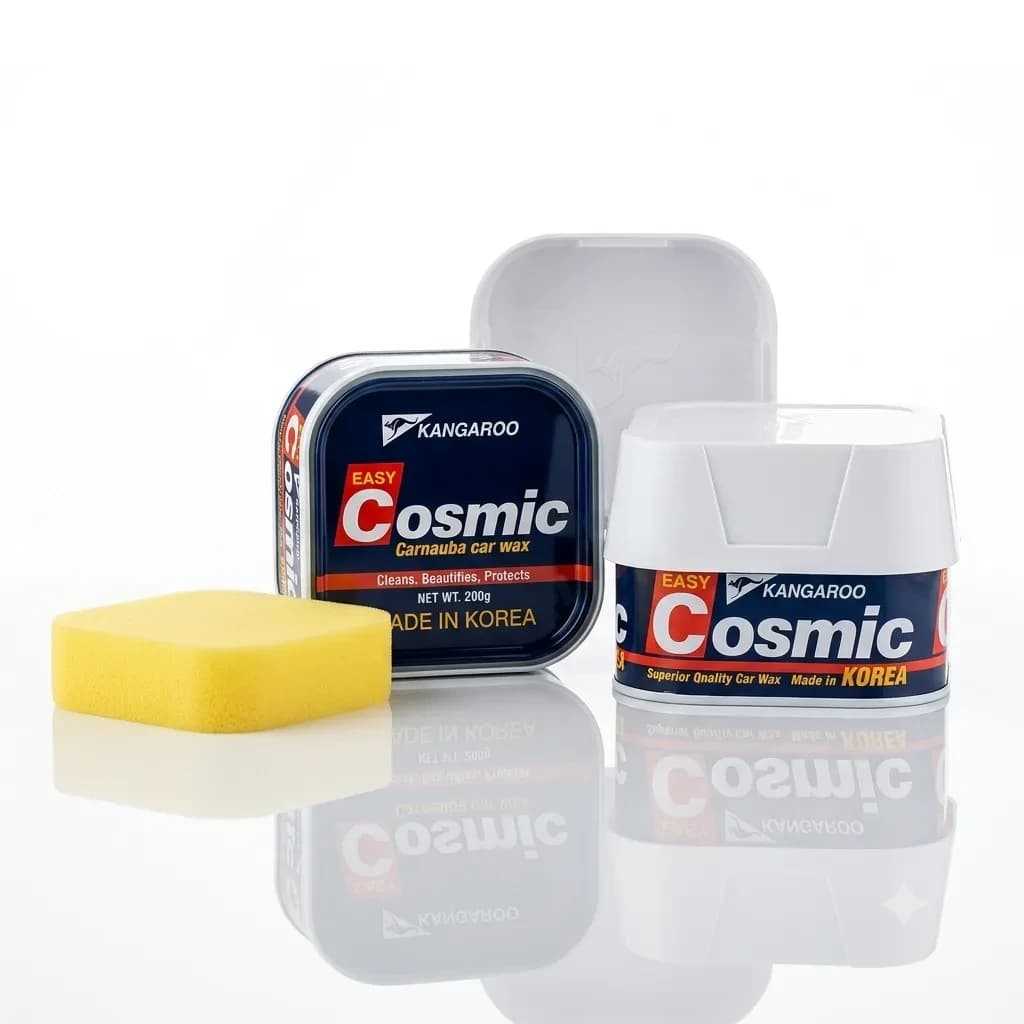
Twin Cities Gloss & Glow Combo (Cosmic Wax + 7CF Tyre Spray + Microfiber Towel)
Conquering Pakistani Craters: The Ultimate Guide to Wheel Balancing, Alignment & Suspension Mastery
Negotiating the lunar landscapes of Lahore's monsoon-ravaged asphalt, dodging open manholes on Karachi's bustling arteries, or climbing the steep, rocky inclines of Murree takes an incredible toll on your vehicle. If your steering wheel feels like it has a mind of its own, or every hidden crater sends a bone-rattling thud straight up your spine, your car is crying out for professional attention.
As modern vehicles evolve, integrating advanced driver-assistance systems (ADAS), AI-powered laser diagnostic rigs, and smart electronic dampers, maintaining mechanical purity has never been more critical. Neglecting foundational chassis health not only ruins your fuel economy but actively compromises your safety at highway speeds. Let's dive deep into the mechanics of keeping your ride butter-smooth across Pakistan's most punishing roadways.
Decoding the Physics: Balancing vs. Alignment vs. Suspension
Many vehicle owners use these terms interchangeably, yet they represent entirely distinct mechanical domains. Grasping their differences saves you from expensive, trial-and-error workshop visits.
- Wheel Balancing: Focuses on weight distribution around the tire and wheel assembly. Even a microscopic imbalance causes high-speed vibrations.
- Wheel Alignment: Adjusts the suspension angles (camber, caster, and toe) that dictate how your tires interact with the tarmac.
- Suspension System: A complex symphony of springs, shock absorbers, control arms, bushings, and joints designed to isolate the cabin from road irregularities.
When these three elements work in absolute harmony, you achieve a smooth car ride tip standard that feels effortless, protecting both your spine and your car's structural integrity.
Spotting the Red Flags: Wheel Alignment Signs You Can't Ignore
Potholes are an unavoidable reality of daily commuting, but their cumulative impact destroys front-end geometry. Ignoring wheel alignment signs car troubles will destroy a brand-new set of tires in less than 5,000 kilometers.
Critical Symptoms of Misaligned Wheels
- The Phantom Pull: Your car persistently drifts to the left or right when you relax your grip on the steering wheel.
- Off-Center Steering: You are driving in a straight line, but your steering wheel is visibly tilted to one side.
- Cupped Tire Wear: Running your hand across the tread reveals alternating high and low spots, signaling a desperate need for a 3D alignment laser check.
- Squealing Tires: Tires that scrub against the pavement rather than rolling cleanly emit a faint, agonizing squeal during gentle turns.
Cracking the Code: Suspension Noise Causes and Pothole Trauma
That sickening thunk, clunk, or crunch echoing through your cabin every time you hit an unpaved speed breaker isn't just annoying—it's structural damage in real time.
Common Suspension Noise Causes from Potholes
- Blown Struts and Shocks: Hydraulic fluid leaks indicate that your dampers can no longer absorb kinetic energy, causing the springs to oscillate wildly.
- Worn Control Arm Bushings: Dry, cracked rubber bushings allow metal-on-metal contact, creating harsh rattling noises over minor bumps.
- Sagging Coil Springs: Constantly overloading your boot with luggage or CNG cylinders permanently weakens spring rates.
The Anatomy of Failure: Tie Rod Ends and Ball Joints
Your steering and suspension systems rely on pivoting joints to transmit driver inputs while absorbing road shocks. When these fail, steering catastrophic failure becomes a very real danger.
Tie Rod End and Ball Joint Symptoms
- Loose Steering Play: You wiggle the steering wheel left and right, but the tires don't respond immediately. There is a noticeable dead zone.
- Clunking During Turns: A sharp metallic snap when turning into a tight parking spot usually points to an exhausted lower ball joint.
- Vibrating Steering Column: Worn tie rod ends allow the wheels to flutter independently at speeds above 80 km/h.
Diagnostics & Maintenance Comparison
| Maintenance Area | Primary Symptom | Root Cause | Recommended Tech Solution | Frequency in Pakistan |
|---|---|---|---|---|
| Wheel Balancing | Steering wheel vibration at 100+ km/h | Weight asymmetry on alloy rims | Computerized spin balancer with laser indexing | Every 10,000 km |
| Wheel Alignment | One-sided drifting or uneven tread wear | Pothole impacts shifting suspension geometry | 4-Wheel 3D Laser Alignment Machine | Every 5,000 - 8,000 km |
| Suspension System | Clunking noises and floating body roll | Worn-out bushings, blown struts | Hydraulic shaker plate diagnostic rig | Every 15,000 km |
| Steering Joints | Loose steering play and rhythmic clicking | Ruptured tie rod boots, dry ball joints | Manual lift inspection & pry-bar play test | Every 10,000 km |
The Importance of Wheel Balancing on Pakistani Highways
Many drivers skip wheel balancing, dismissing it as a minor luxury. However, high-speed vibrations accelerate bearing wear, strain transmission seals, and induce driver fatigue. Ensuring proper wheel balancing importance lies in centrifugal equilibrium. Even a 10-gram weight discrepancy on a rear wheel acts like a hammer striking your axle thousands of times every minute at motorway speeds.
Future Tech in Ride Comfort: AI Diagnostics and Smart Dampers
The future of automotive comfort is deeply intertwined with artificial intelligence. Modern luxury imports and high-end EVs feature adaptive air suspension systems governed by AI processors that scan the road ahead via front-facing cameras. These systems adjust damping stiffness in milliseconds before your tires contact a pothole. While local mechanics rely on traditional hand tools and visual inspections, software-driven OBD-II scanners and digital suspension analyzers are rapidly gaining ground in metropolitan service hubs.
Actionable Checklist for a Silky Smooth Ride
- Check Tire Pressures Weekly: Over-inflated tires amplify shock transmission; under-inflated tires invite rim damage from deep potholes.
- Inspect Rubber Boots: Regularly peek behind your wheels for torn CV joint or ball joint boots leaking black grease.
- Invest in Professional Equipment: Avoid roadside mechanics using primitive manual jacks for alignment; always demand a certified 3D computer alignment printout.
- Avoid Aggressive Braking Over Bumps: Slamming brakes shifts the car's weight forward, compressing the front suspension right at the moment of impact and maximizing damage.
Frequently Asked Questions
Direct answers to Pakistani driver queries, car fitments & verified solutions.
1How often should I get wheel alignment done on Pakistani roads?
Given the abundance of potholes, speed breakers, and rough construction patches, it is recommended to get your wheel alignment checked every 5,000 to 8,000 kilometers, or immediately after hitting a severe crater.
2What causes that loud metallic clunking noise when turning my car?
A sharp clunking noise during tight turns is typically caused by a worn-out CV joint, a failing lower ball joint, or loose suspension control arm bushings experiencing metal-on-metal friction.
3Is wheel balancing different from wheel alignment?
Yes. Wheel balancing corrects weight imbalances around the tire and rim assembly to eliminate high-speed vibrations, whereas wheel alignment adjusts the suspension angles so your tires sit flat and straight against the road.
4How do bad tie rod ends affect my driving safety?
Worn tie rod ends cause excessive play in your steering, leading to delayed response, wandering at high speeds, uneven tire wear, and in severe cases, complete loss of steering control.
Confused about vehicle fitment or part compatibility?
Consult directly with our automotive specialist on WhatsApp. Get instant sizing confirmation & 100% Cash on Delivery across Pakistan.
Recommended Upgrades & Genuine Accessories
100% Cash On Delivery• 7-Day Checking Warranty

BUSHIN Solar Powered Motorcycle Model Dashboard Perfume Diffuser - Grey/Black

Leave a Reply
Your email address will not be published. Required fields are marked *