Navigating Pakistan's Craters: The Ultimate Guide to Wheel Balancing, Alignment & Suspension Noises
Master car maintenance on Pakistani roads. Learn how to spot wheel alignment signs, fix suspension noises from potholes, and ensure a smooth ride using AI tools and smart car accessories.

Table of Contents (5 Sections)
- Cruising down Lahore's Canal Road or navigating the relentless craters of Karachi's industrial zones is an extreme sport for your vehicle.
- Between unannounced speed breakers (*speed breakers without paint*), monsoon-induced water-logged potholes, and rugged construction debris, your car's undercarriage takes a brutal beating daily.
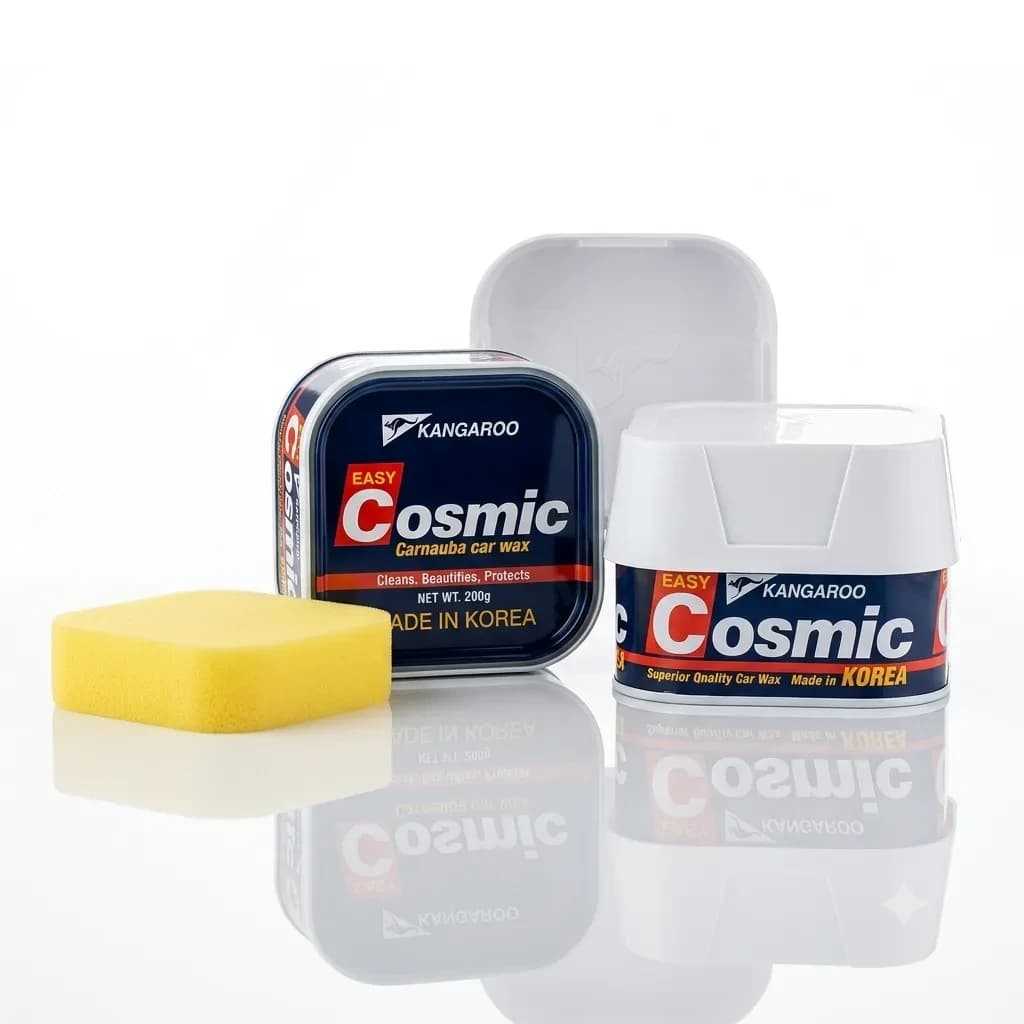
Twin Cities Gloss & Glow Combo (Cosmic Wax + 7CF Tyre Spray + Microfiber Towel)
Navigating Pakistan's Craters: The Ultimate Guide to Wheel Balancing, Alignment & Suspension Noises
Cruising down Lahore's Canal Road or navigating the relentless craters of Karachi's industrial zones is an extreme sport for your vehicle. Between unannounced speed breakers (speed breakers without paint), monsoon-induced water-logged potholes, and rugged construction debris, your car's undercarriage takes a brutal beating daily.
If your steering wheel feels like it has a mind of its own or every dip in the asphalt results in an alarming metallic groan, your car is crying out for professional intervention. Ignoring these distress signals doesn't just ruin your driving comfort; it destroys your fuel economy, shreds expensive rubber, and compromises your safety at high highway speeds.
The Anatomy of a Rough Ride: Why Pakistani Roads Destroy Suspensions
Modern automobiles are marvels of mechanical engineering, but they were rarely designed to absorb vertical drops into two-foot-deep utility trenches left half-finished by municipal contractors. When a wheel strikes a sharp pothole, the kinetic energy instantly transfers through the tire, rim, and suspension arm, disrupting the precise geometry designed by the manufacturer.
To keep your vehicle tracking straight, three critical systems must work in harmony: wheel balancing, wheel alignment, and suspension integrity. Let's break down how to diagnose issues before they drain your bank account.
Spotting the Red Flags: Wheel Alignment Signs and Balancing Issues
Many drivers confuse wheel balancing with wheel alignment, but they address entirely different physical phenomena.
- Wheel Balancing: Ensures weight is distributed evenly around the tire and wheel assembly. If you feel a distinct vibration in your steering wheel between 80 km/h and 120 km/h, your tires are likely out of balance.
- Wheel Alignment: Refers to the adjustment of the vehicle's suspension—the angles (camber, caster, and toe) that connect the car to the wheels.
Critical Wheel Alignment Signs to Watch For
- The Phantom Drift: Your car pulls persistently to the left or right when you momentarily let go of the steering wheel on a flat road.
- Uneven Tread Wear: One side of your tire's tread is bald while the other looks relatively fresh—a classic indicator of incorrect 'toe' settings.
- Crooked Steering Wheel: You are driving straight down the motorway, but your steering wheel is tilted at an awkward 15-degree angle.
Decoding Suspension Noises and Pothole Damage
When you hear a distinct sound echoing from beneath your floorboards after hitting a bump, pay close attention. The acoustic signature tells you precisely which component has failed.
| Sound / Symptom | Likely Component Failure | Severity Level | Recommended Action |
|---|---|---|---|
| Clunking or banging over bumps | Worn Ball Joints or Control Arm Bushings | High (Safety Risk) | Inspect and replace immediately |
| Metallic squeal or grinding | Deteriorated Strut Mounts or Shocks | Medium | Schedule workshop visit this week |
| Rapid clicking during sharp turns | CV Joint / Axle Boot Rupture | High | Replace boot and joint before total failure |
| Floating or spongy steering response | Blown Shock Absorbers | Medium | Test damping efficiency |
Tie Rod End and Ball Joint Symptoms
The steering linkage connects your steering wheel to the wheels on the ground. The tie rod ends and ball joints act as the pivotal joints allowing smooth articulation.
If you notice loose steering play (where you turn the wheel slightly and nothing happens for a second), clunking noises when turning into tight parking spaces, or uneven tire feathering, you are experiencing classic tie rod end ball joint symptoms. Neglecting these can lead to catastrophic steering failure at high speeds—a terrifying scenario on the Islamabad-Lahore Motorway.
Modern Tech & Smart Maintenance: The Future of Car Care
Keeping your car optimized on unpredictable terrain requires a blend of traditional mechanical vigilance and modern tech. Today, tech-savvy vehicle owners leverage artificial intelligence and smart gadgets to stay ahead of costly repairs.
Smart Tools and Digital Diagnostics
- OBD-II Bluetooth Scanners: Plug these compact diagnostic tools into your car's port and sync them with your smartphone. While they primarily read engine codes, advanced apps can monitor sensor telemetry and alert you to electronic stability control faults triggered by suspension misalignments.
- Laser Alignment Systems: When visiting a workshop, ensure they use computerized 3D or laser alignment racks rather than outdated optical string methods. Precision matters down to fractions of a millimeter.
- Digital Tire Pressure Gauges: Maintaining correct PSI is your first line of defense against pothole rim damage. Under-inflated tires fold upon impact, transferring direct shock to your suspension arms.
Actionable Smooth Car Ride Tips for Pakistani Commuters
Achieving and maintaining a plush, luxury-car ride quality on rough commutes isn't impossible if you adopt disciplined driving habits:
- The Two-Second Rule: Maintain adequate following distance so you can spot and safely maneuver around potholes rather than slamming into them at the last second.
- Avoid Braking Inside Potholes: If you cannot avoid a crater, brake before you hit it, then release the brakes just as you impact. Braking compresses the front suspension, pushing the components deeper into the path of impact.
- Regular Undercarriage Wash: Mud, salt, and grime accumulate in suspension linkages, accelerating rubber bushing wear. Invest in a thorough pressure wash of your wheel wells bi-weekly.
- Periodic Rotation and Balancing: Rotate your tires every 10,000 kilometers and re-balance them to ensure even wear across all four corners.
Frequently Asked Questions
Direct answers to Pakistani driver queries, car fitments & verified solutions.
1How often should I get my car's wheel alignment checked in Pakistan?
Given the state of local roads, it is recommended to check your wheel alignment every 5,000 to 10,000 kilometers, or immediately after hitting a severe pothole or curb.
2What causes that annoying clunking noise when I drive over speed breakers?
Clunking noises are usually caused by worn-out suspension components such as ball joints, control arm bushings, or degraded sway bar links that can no longer absorb impact effectively.
3Is wheel balancing the same as wheel alignment?
No. Wheel balancing corrects weight imbalances in the tire and rim assembly to stop steering vibrations, while wheel alignment adjusts the suspension angles so your car tracks straight.
4Can bad suspension alignment reduce my fuel economy?
Yes. Misaligned wheels create excessive rolling resistance, forcing your engine to work harder to propel the vehicle forward, which directly burns more fuel.
Confused about vehicle fitment or part compatibility?
Consult directly with our automotive specialist on WhatsApp. Get instant sizing confirmation & 100% Cash on Delivery across Pakistan.
Recommended Upgrades & Genuine Accessories
100% Cash On Delivery• 7-Day Checking Warranty
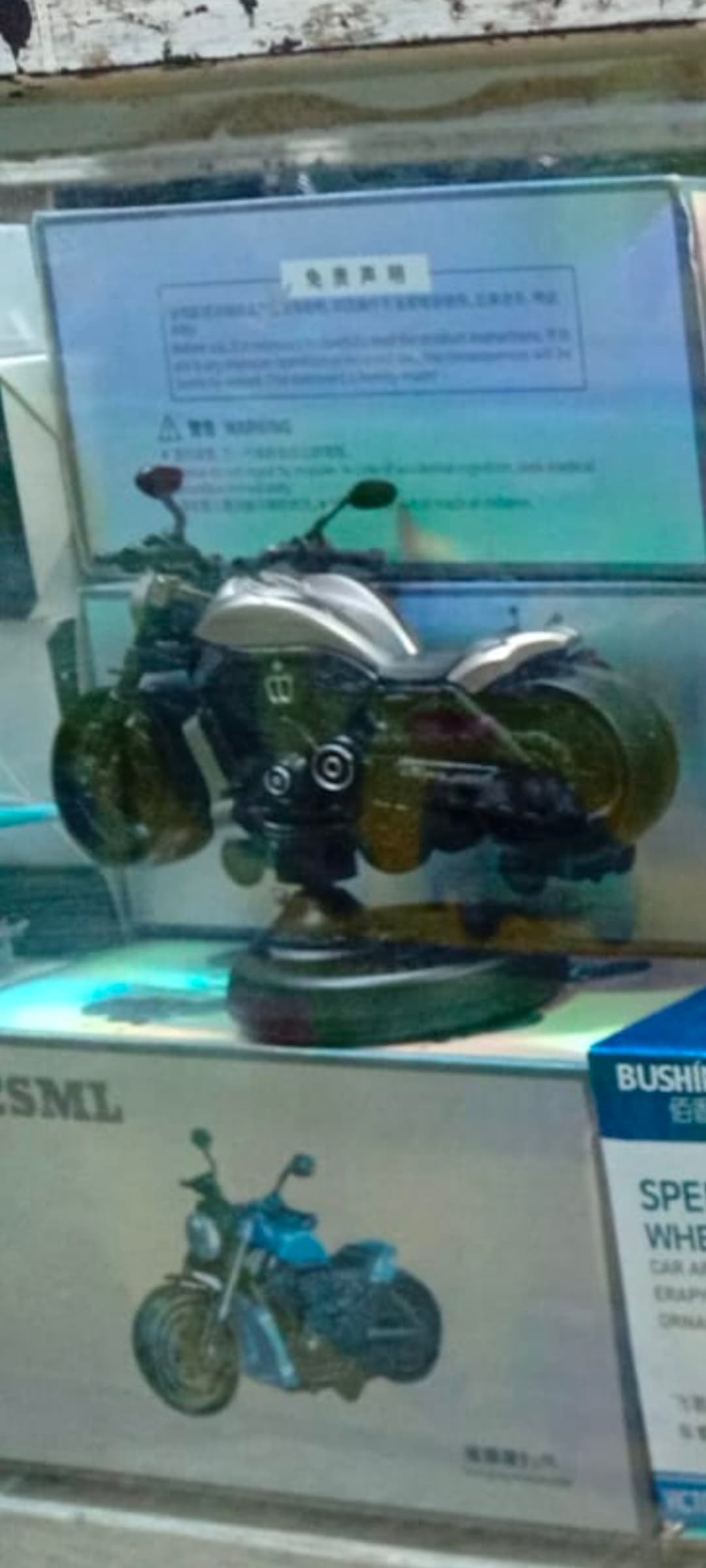
BUSHIN Solar Powered Motorcycle Model Dashboard Perfume Diffuser - Grey/Black

Leave a Reply
Your email address will not be published. Required fields are marked *