The Hidden Gears: How International Supply Chains Dictate Your Grocery Bill and Daily Expenses
Discover how unseen shipping routes, currency shifts, and global inflation causes directly impact your daily cost of living—plus actionable smart budgeting tips to protect your wallet.
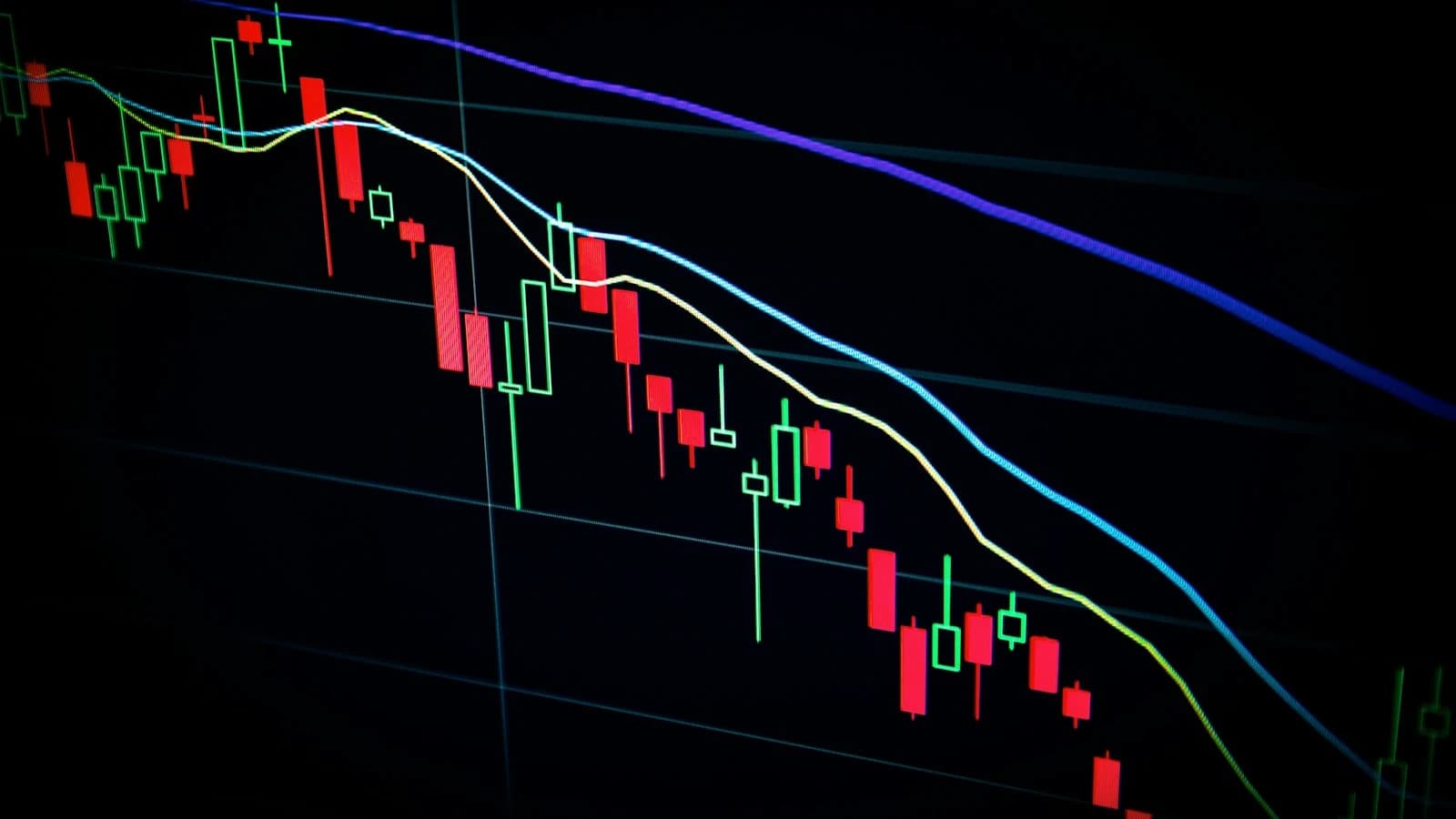
- At 3:00 AM in the Port of Singapore, a massive container vessel loaded with 20,000 steel boxes prepares to berth.
- Halfway across the world, a consumer in Ohio sits at their kitchen table, wondering why a simple morning cup of coffee and the avocado toast on their plate suddenly cost thirty percent more than they did last year.
- Most people assume local grocery stores arbitrarily hike prices to pad corporate profits.

Twin Cities Gloss & Glow Combo (Cosmic Wax + 7CF Tyre Spray + Microfiber Towel)
The Hidden Gears: How International Supply Chains Dictate Your Grocery Bill and Daily Expenses
At 3:00 AM in the Port of Singapore, a massive container vessel loaded with 20,000 steel boxes prepares to berth. Halfway across the world, a consumer in Ohio sits at their kitchen table, wondering why a simple morning cup of coffee and the avocado toast on their plate suddenly cost thirty percent more than they did last year. Most people assume local grocery stores arbitrarily hike prices to pad corporate profits. But the reality is far more complex, deeply global, and tied directly to the invisible mechanics of supply chain economics.
Every time you purchase a gadget, a pair of sneakers, or fresh produce out of season, you are participating in a multi-trillion-dollar global choreography. When a single gear in that intricate machinery slips—whether due to geopolitical friction, extreme weather, or currency value shifts—the shockwaves ripple straight down to your local retail receipts. Understanding these mechanisms is no longer just for Wall Street economists; it is essential survival knowledge for anyone navigating the modern cost of living.
The Anatomy of Modern Global Inflation Causes
To understand why prices keep climbing, we have to look past simple explanations like corporate greed and examine the structural realities of production. Modern manufacturing is deeply fragmented. A single smartphone might use semiconductors manufactured in Taiwan, rare earth minerals mined in the Democratic Republic of Congo, design work completed in California, and final assembly executed in Shenzhen.
When global inflation causes are analyzed by macro-economists, they generally point to a combination of demand-pull factors and cost-push factors. However, the most destructive inflationary spikes in recent history have been driven by supply shocks. When maritime chokepoints like the Suez Canal or the Panama Canal face disruptions, container shipping rates can spike by 500% almost overnight. That extra cost is not absorbed by multinational conglomerates; it is systematically passed down the line until the everyday consumer pays the final markup.
The Ripple Effect of Currency Value Shifts
Global trade does not operate in a vacuum. It is mediated by foreign exchange markets, where currencies constantly fluctuate in value against the U.S. dollar, which serves as the world's primary reserve currency.
When a developing nation experiences severe currency depreciation, the cost of importing essential commodities—such as crude oil, wheat, and machinery—skyrockets. Even in economically stable countries, currency shifts change the purchasing power parity of import-heavy sectors. If your local currency weakens against the yuan or the euro, every manufactured import instantly becomes more expensive, forcing domestic retailers to adjust their price tags.
Breaking Down Global Economic Pressures
| Economic Factor | Primary Driver | Impact on Consumer Prices | Actionable Countermeasure |
|---|---|---|---|
| Freight Logistics | Fuel costs, port congestion | Higher retail prices for imported goods | Buy local seasonal produce and regional goods |
| Currency Shifts | Central bank policies, trade deficits | Imported electronics and fuel cost more | Delay non-essential tech upgrades |
| Raw Material Scarcity | Mining limits, geopolitical conflicts | Higher baseline costs for manufacturing | Invest in durable, repairable items |
| Labor Constraints | Demographic shifts, wage adjustments | Service fees and retail markup increases | Learn basic DIY repair and home maintenance |
Practical Cost of Living Strategies for Uncertain Times
Knowing that global supply chains dictate your daily expenses can feel disempowering, but it actually gives you a massive strategic advantage. When you understand where price pressures originate, you can outmaneuver them. Implementing smart budgeting tips based on macroeconomic realities allows you to protect your household budget against external shocks.
1. Shift Toward Regional and Seasonal Consumption
Fresh asparagus imported out of season from the Southern Hemisphere requires refrigerated air freight, complex logistics, and immense energy inputs. By aligning your diet with regional and seasonal produce, you completely bypass the volatile logistics and fuel surcharges plaguing global agriculture.
2. Audit Your Recurring Subscriptions and Digital Goods
While physical goods face severe supply chain pressures, digital services and subscriptions often experience 'shrinkflation' or stealth price increases. Regularly audit your monthly subscriptions to ensure you are extracting maximum value, cutting services that no longer serve your core goals.
3. Embrace the Circular Economy and Durability
When manufacturing inputs and raw materials become expensive, new consumer goods surge in price. Instead of buying cheap, disposable alternatives that need frequent replacement, invest in durable, high-quality goods designed for longevity. Repairing appliances, upgrading modular electronics, and utilizing local secondhand marketplaces insulate you from global manufacturing inflation.
4. Build a Strategic Pantry Buffer
Commodities like grains, cooking oils, and coffee are heavily traded on global futures markets, making them exceptionally vulnerable to climate events and geopolitical conflicts. Maintaining a modest, rotating buffer of non-perishable pantry staples protects your household against short-term supply chain spikes and localized price gouging.
The Path Forward
We live in an interconnected world where an event in the South China Sea or a drought in the American Midwest can alter the price of your weekly groceries. While we cannot control international trade policy or central bank interest rates, we can completely transform how we consume, budget, and adapt. By mastering supply chain economics and applying intentional, smart budgeting tips, you can take back control of your financial future no matter what the global markets decide to do next.
Frequently Asked Questions
Direct answers to Pakistani driver queries, car fitments & verified solutions.
1What are the primary causes of global inflation?
Global inflation is primarily driven by a mix of supply chain disruptions, soaring energy and logistics costs, geopolitical conflicts affecting commodity supplies, and rapid shifts in currency values and central bank monetary policies.
2How do international supply chains affect local grocery prices?
International supply chains rely heavily on complex logistics, including container shipping, fuel, and refrigeration. When shipping costs rise or trade routes face blockages, the added expenses are passed down through distributors to local grocery stores, resulting in higher retail prices.
3What are the best smart budgeting tips during high inflation?
Effective strategies include buying local and seasonal produce to avoid high import logistics costs, auditing recurring subscriptions, investing in durable goods rather than disposable items, and maintaining a rotating buffer of essential pantry staples.
4Why do currency value shifts impact the cost of living?
When a country's currency weakens, the cost of importing essential goods like oil, electronics, and raw materials increases significantly. This imported inflation drives up the overall cost of living for everyday consumers.
Confused about vehicle fitment or part compatibility?
Consult directly with our automotive specialist on WhatsApp. Get instant sizing confirmation & 100% Cash on Delivery across Pakistan.
Recommended Upgrades & Genuine Accessories
100% Cash On Delivery• 7-Day Checking Warranty


Leave a Reply
Your email address will not be published. Required fields are marked *