Why Your Car’s Wheels Scream on Pakistani Roads—and How to Silence Them
Discover the hidden reasons behind wheel wobble, alignment warnings, and suspension rattles on Pakistan’s streets, plus expert tips for a smoother, safer ride.

Table of Contents (9 Sections)
- Reduces tire wear – uneven forces wear the tread on one side faster.
- Protects suspension components – less vibration means less stress on shocks, struts, and bushings.
- Improves fuel efficiency – a balanced wheel rolls with less resistance.
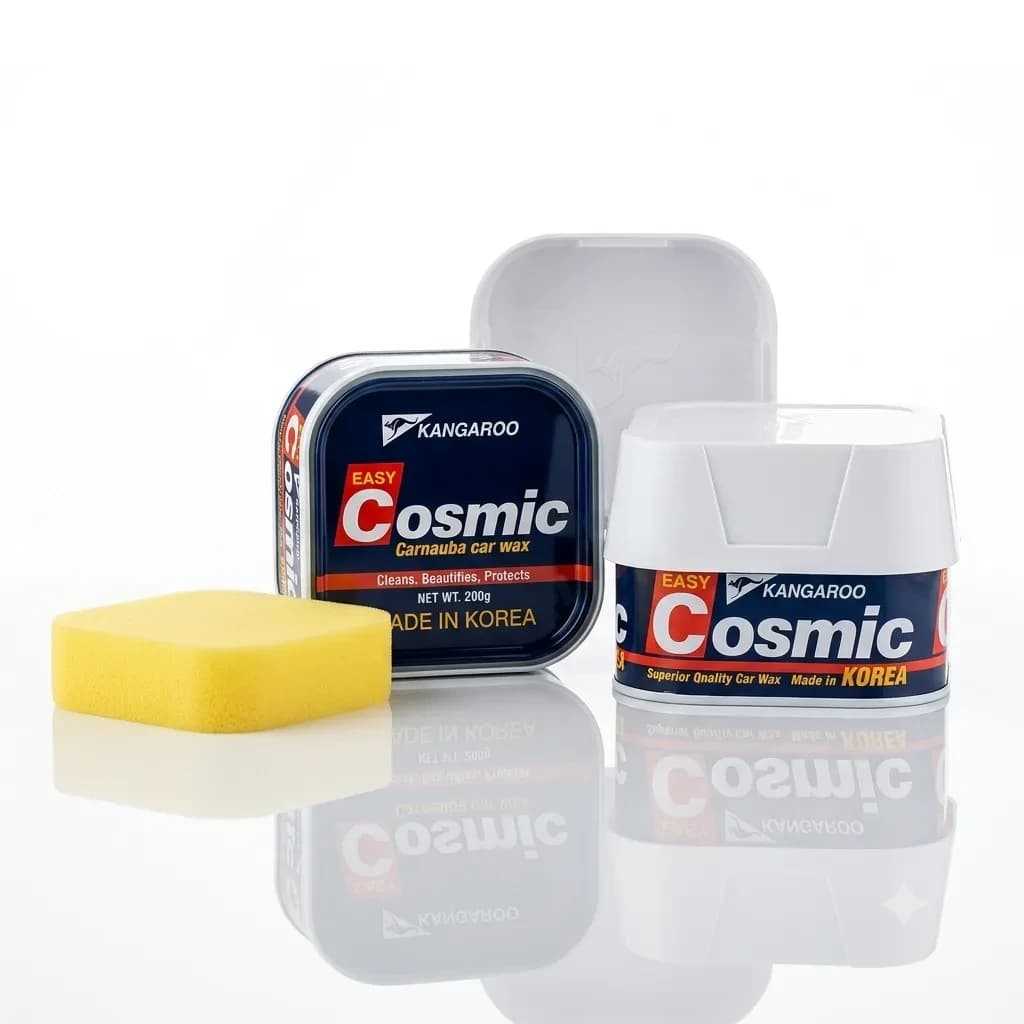
Twin Cities Gloss & Glow Combo (Cosmic Wax + 7CF Tyre Spray + Microfiber Towel)
Why Your Car’s Wheels Scream on Pakistani Roads—and How to Silence Them
Hook: You’re cruising down Shahrah‑e‑Faisal, the engine purrs, but a subtle vibration turns into a high‑pitched whine as you hit the next pothole. Most drivers chalk it up to “bad roads,” yet the real culprit often hides in the wheels, alignment, or suspension. This guide unpacks the science, the symptoms, and the actionable fixes you need to keep your ride smooth and safe on Pakistan’s unpredictable highways.
1. Wheel Balancing – The Unsung Hero of Ride Comfort
What is Wheel Balancing?
Wheel balancing involves attaching tiny lead‑filled weights to the rim so that the wheel’s mass rotates evenly at high speeds. When a wheel is out of balance, the uneven mass creates centrifugal forces that manifest as vibration, especially between 30 km/h and 120 km/h.
Why Wheel Balancing Matters (Keyword: wheel balancing importance)
- Reduces tire wear – uneven forces wear the tread on one side faster.
- Protects suspension components – less vibration means less stress on shocks, struts, and bushings.
- Improves fuel efficiency – a balanced wheel rolls with less resistance.
- Enhances safety – eliminates steering wobble that can mask other issues.
Quick Balancing Checklist
- Inspect tire tread for uneven wear patterns.
- Feel for vibration at highway speeds.
- Schedule a professional balancing every 5,000 km or after any tire rotation.
2. Wheel Alignment – Spotting the Warning Signs (Keyword: wheel alignment signs car)
| Symptom | Likely Mis‑alignment Type |
|---|---|
| Car pulls to left/right when steering straight | Camber or toe mis‑adjustment |
| Uneven tire wear (inner or outer edges) | Camber deviation |
| Steering wheel off‑center in a straight lane | Caster or toe error |
| Vibrations only during braking | Front‑end alignment issue |
How to Diagnose Alignment Issues
- Visual inspection – look for uneven tread depth.
- Steering test – release the wheel on a flat stretch; does the car drift?
- Professional scan – many workshops in Lahore and Karachi use laser alignment rigs for pinpoint accuracy.
Align Your Wheels the Right Way
- Frequency: Every 10,000 km or after hitting a major pothole.
- DIY tip: Use a simple string‑and‑level method for a rough check, but trust a certified technician for final adjustments.
3. Suspension Noise – The Pothole Connection (Keyword: suspension noise causes pothole)
Pakistani roads are notorious for sudden potholes. When a wheel hits a deep dip, the suspension absorbs the impact, but worn components amplify the noise.
Common Noise Types & Causes
- Clunking – worn ball joints or tie‑rod ends.
- Squeaking – dry bushings or lack of lubrication.
- Rattling – loose strut mounts or control arm bolts.
Real‑World Example
A driver in Islamabad reported a “metallic thud” every time the car passed a pothole on the Murree Road. Inspection revealed a broken tie‑rod end that had been compromised by repeated impacts.
Mitigation Strategies
- Pre‑emptive inspection after any major road incident.
- Replace worn bushings with polyurethane alternatives for longer life.
- Upgrade to shock absorbers with adjustable damping for rough terrains.
4. Tie‑Rod End & Ball Joint Symptoms (Keyword: tie rod end ball joint symptoms)
| Symptom | Tie‑Rod End | Ball Joint |
|---|---|---|
| Loose steering feel | Yes – play when turning wheel | No |
| Clicking during turns | Yes – especially at low speeds | No |
| Uneven front‑tire wear | Yes – inner/outer edge | Yes – camber wear |
| Vibration at >80 km/h | No | Yes – especially when worn |
Inspection Tips
- Jack up the front and wiggle the wheel; any lateral movement indicates a worn tie‑rod or ball joint.
- Listen for clicks while turning the steering wheel left and right.
- Check for grease leakage – a sign the protective boot is damaged.
Replacement Advice
- Use OEM‑spec ball joint kits that include new bearings and seals.
- Opt for adjustable tie‑rod ends if you plan to fine‑tune alignment yourself.
5. Smooth Car Ride Tips – Putting It All Together (Keyword: smooth car ride tips)
5‑Step Routine for Pakistani Drivers
- Weekly visual tire check – look for cuts, bulges, and uneven wear.
- Monthly vibration test – drive at 60 km/h on a straight road; note any shudder.
- Quarterly suspension audit – listen for clunks after hitting potholes.
- Bi‑annual alignment & balancing – schedule at reputable service centers.
- Seasonal component swap – replace worn bushings before monsoon season when roads get worst.
Quick‑Reference Checklist (Markdown List)
- Tire tread depth ≥ 1.6 mm
- No visible sidewall cracks
- No steering pull on a level surface
- No audible clunk when turning
- Wheel balance confirmed by technician
6. Comparison Table: Symptoms vs. Solutions
| Symptom | Likely Cause | Immediate Fix | Long‑Term Prevention |
|---|---|---|---|
| Vibration at 80 km/h | Unbalanced wheel | Re‑balance wheel | Balance every 5,000 km |
| Car drifts left | Mis‑aligned wheels | Professional alignment | Align after every tire rotation |
| Clunk when turning | Worn tie‑rod end | Replace tie‑rod | Inspect after hitting a pothole |
| Squeak over bumps | Dry bushings | Lubricate/replace bushings | Use polyurethane bushings |
7. Smart Gadgets & Tools for DIY Enthusiasts
| Gadget | Core Feature | Why It Helps on Pakistani Roads |
|---|---|---|
| Digital Wheel Balancer | LED readout, portable | Balance on‑site after a tire change |
| Laser Alignment Kit | Real‑time camber/toe data | Achieve shop‑level precision at home |
| OBD‑II Suspension Scanner | Reads shock absorber codes | Detect hidden damping issues before they roar |
| Torque Wrench (Dynamic) | Click‑stop accuracy | Ensure tie‑rod bolts are tightened to spec |
| Vibration Analyzer App (Smartphone) | FFT analysis | Identify frequency of wheel shake quickly |
8. Final Thoughts
Pakistani drivers face a unique set of challenges: erratic road surfaces, extreme temperature swings, and heavy traffic. Yet, mastering wheel balancing, alignment, and suspension health transforms those challenges into a predictable, comfortable ride. By adopting the routine checks, leveraging affordable diagnostic gadgets, and addressing symptoms before they become failures, you protect your vehicle, your wallet, and most importantly, your safety.
Take action today: schedule a balancing session, run a quick alignment test, and give your suspension a once‑over. Your car—and your passengers—will thank you.
Frequently Asked Questions
-
What are the early signs that my wheels need balancing? A subtle vibration in the steering wheel or seat at highway speeds, uneven tire wear, or a “shaky” feeling when accelerating are classic indicators.
-
How often should I get a wheel alignment on Pakistani roads? Ideally every 10,000 km, but after any major pothole impact or after installing new tires, a check is advisable.
-
Can I replace a tie‑rod end myself, or do I need a professional? While DIY is possible with the right tools (torque wrench, alignment kit), the final alignment must be verified by a professional to ensure safety.
-
What suspension components wear out fastest in pothole‑heavy areas? Ball joints, tie‑rod ends, bushings, and strut mounts are most vulnerable. Regular inspection after rough rides can catch wear early.
-
Is there a cheap way to detect suspension noise before it becomes a major issue? A simple smartphone vibration analyzer app can highlight abnormal frequencies, prompting a visual inspection.
Pak-o-Drive Automotive Specialist
Verified Editorial LeadPakistani automotive technician and specialist reviewer. Covering summer cooling solutions, engine oils, suspension setups, and verified accessories tested across Pakistani highways and urban climate.
Frequently Asked Questions
Direct answers to Pakistani driver queries, car fitments & verified solutions.
1What are the early signs that my wheels need balancing?
A subtle vibration in the steering wheel or seat at highway speeds, uneven tire wear, or a shaky feeling when accelerating are classic indicators.
2How often should I get a wheel alignment on Pakistani roads?
Ideally every 10,000 km, but after any major pothole impact or after installing new tires, a check is advisable.
3Can I replace a tie‑rod end myself, or do I need a professional?
While DIY is possible with the right tools, the final alignment must be verified by a professional to ensure safety.
4What suspension components wear out fastest in pothole‑heavy areas?
Ball joints, tie‑rod ends, bushings, and strut mounts are most vulnerable; regular inspection after rough rides can catch wear early.
Confused about vehicle fitment or part compatibility?
Consult directly with our automotive specialist on WhatsApp. Get instant sizing confirmation & 100% Cash on Delivery across Pakistan.
Recommended Upgrades & Genuine Accessories
100% Cash On Delivery• 7-Day Checking Warranty
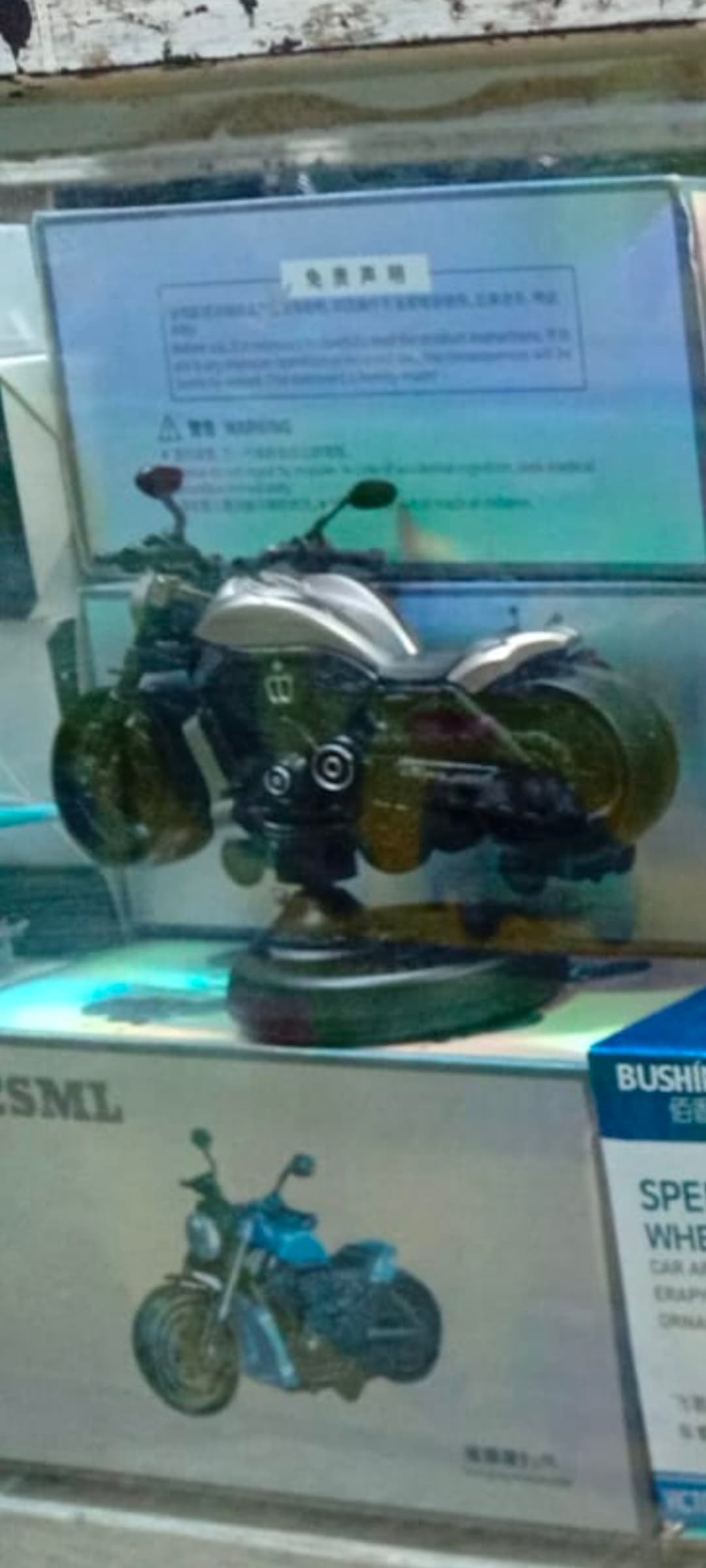
BUSHIN Solar Powered Motorcycle Model Dashboard Perfume Diffuser - Grey/Black

Leave a Reply
Your email address will not be published. Required fields are marked *