Why Your Car’s Ride Feels Rough: Mastering Wheel Balancing, Alignment & Suspension on Pakistani Roads
Discover how to detect wheel‑alignment signs, silence suspension noise from potholes, and keep your car smooth on Pakistan’s challenging roads with expert, actionable tips.

Table of Contents (9 Sections)
- Pothole impact – Every time you hit a pothole, the unsprung mass of an unbalanced wheel amplifies the shock, wearing out suspension components faster.
- Fuel efficiency – Vibration forces the engine to work harder, shaving up to 2% off fuel economy.
- Tire longevity – Uneven wear patterns develop, shortening tire life by 15‑20%.
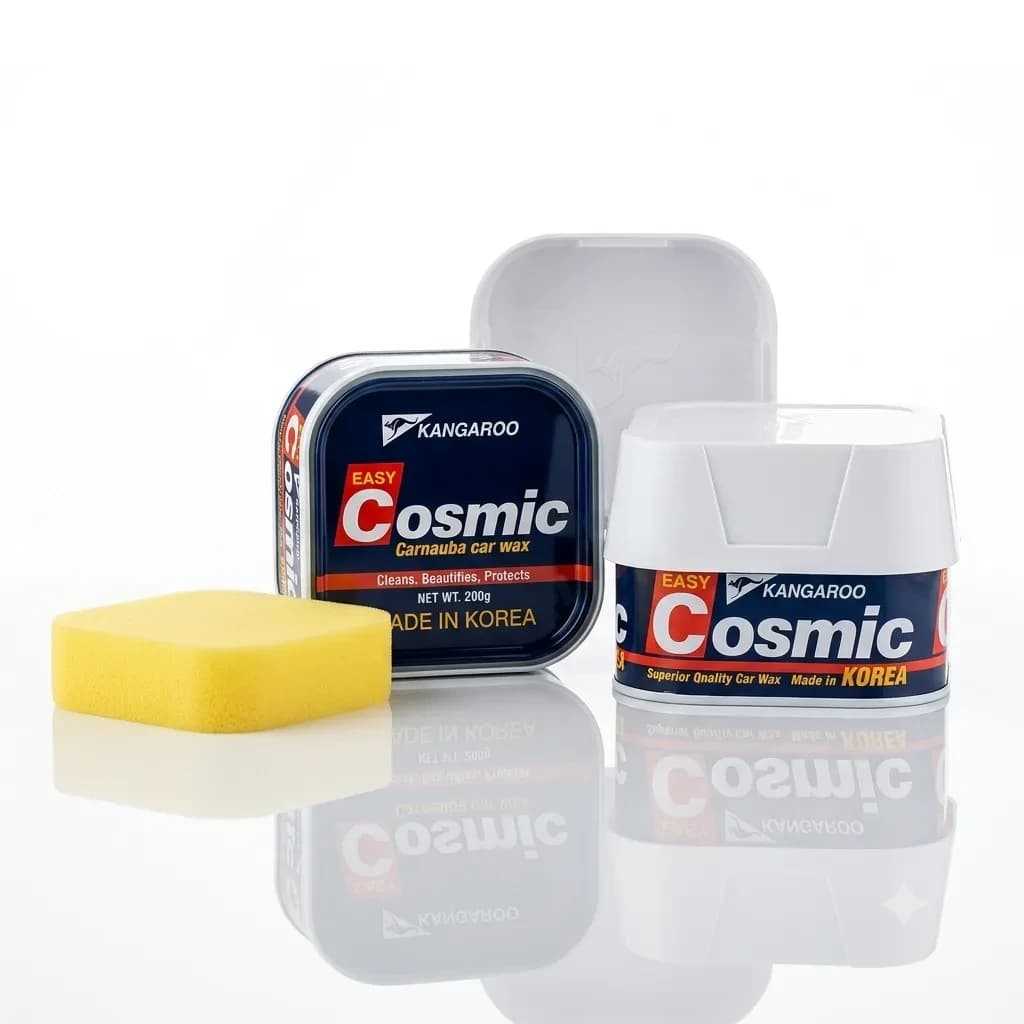
Twin Cities Gloss & Glow Combo (Cosmic Wax + 7CF Tyre Spray + Microfiber Towel)
Why Your Car’s Ride Feels Rough: Mastering Wheel Balancing, Alignment & Suspension on Pakistani Roads
Pakistan’s road network is a mix of smooth highways and pothole‑strewn streets. A single missed vibration or a faint clunk can signal a problem that, if ignored, escalates into costly repairs. This guide breaks down the science behind wheel balancing, alignment, and suspension noises, then gives you a step‑by‑step plan to keep your ride smooth and safe.
The Hidden Cost of Ignoring Wheel Balance
What is Wheel Balancing?
Wheel balancing is the process of equalizing the mass distribution of a tire‑wheel assembly. Technicians attach tiny lead or zinc weights opposite the heavy spot, eliminating the wobble that causes vibration.
Why It Matters on Pakistani Roads
- Pothole impact – Every time you hit a pothole, the unsprung mass of an unbalanced wheel amplifies the shock, wearing out suspension components faster.
- Fuel efficiency – Vibration forces the engine to work harder, shaving up to 2% off fuel economy.
- Tire longevity – Uneven wear patterns develop, shortening tire life by 15‑20%.
Spotting Wheel Alignment Issues Early
Wheel Alignment Signs Car Drivers Miss
| Symptom | What It Means |
|---|---|
| Car pulls to one side when steering straight | Front wheels are out of camber or toe |
| Uneven tire wear (inner edge or outer edge) | Misaligned caster or toe |
| Steering wheel off‑center at straight‑ahead | Alignment angles are off |
| Vibration at 50‑80 km/h that disappears at higher speeds | Often a blend of imbalance and mild misalignment |
How Potholes Exacerbate Misalignment
A deep pothole can bend a control arm or shift the steering rack, instantly throwing off alignment. Re‑checking alignment after a major pothole encounter is a habit that saves you from premature tire wear.
Decoding Suspension Noises
Common Suspension Noise Causes from Potholes
- Clunking when turning – Usually a worn tie‑rod end or ball joint.
- Squeaking over bumps – Dried bushings or lack of lubrication.
- Rattling at low speeds – Loose strut mounts or broken sway bar links.
Tie Rod End & Ball Joint Symptoms
| Symptom | Likely Component |
|---|---|
| Loose feeling while steering, especially during lane changes | Tie‑rod end wear |
| Clicking noise when turning sharply | Ball joint looseness |
| Vibration that intensifies with speed | Combined wear of tie‑rod and ball joint |
DIY Checks vs Professional Service
| Issue | DIY Check | Professional Fix |
|---|---|---|
| Wheel imbalance | Spin each wheel; feel vibration >80 km/h | Wheel balancer machine adds precise weights |
| Misalignment | Inspect tire wear; notice pulling | Alignment rack adjusts camber, caster, toe |
| Suspension noise | Listen for clunk while turning at low speed | Replace tie‑rod end, ball joint, or bushings |
Practical Checklist for a Smooth Ride
- Weekly: Visual tire inspection for uneven wear.
- Every 5,000 km: Rotate tires and have them balanced.
- After any major pothole: Test steering pull and listen for new noises.
- Every 10,000 km: Get a professional alignment check.
- Every 15,000 km: Inspect tie‑rod ends, ball joints, and bushings for play.
Smart Gadgets & Tools for the Modern Driver
| Gadget | Why It Helps |
|---|---|
| Bluetooth OBD‑II scanner | Reads suspension sensor codes, alerts you before a failure |
| Digital tire pressure monitor | Maintains optimal pressure, reducing stress on wheels and suspension |
| Portable wheel balancer (DIY kits) | Enables quick on‑the‑road weight adjustments for minor imbalances |
| Alignment smartphone app (uses phone’s accelerometer) | Provides a rough alignment estimate before visiting a shop |
Investing in these tools turns routine maintenance into data‑driven decisions, aligning with the growing AI‑enabled automotive ecosystem.
Future‑Proofing Your Car on Pakistani Roads
The rise of AI‑powered predictive maintenance platforms means your car can now warn you of impending suspension failures via a mobile app. Pairing a reliable OBD‑II scanner with a cloud‑based analytics service gives you a proactive edge—especially valuable on roads where potholes are inevitable.
Conclusion
Wheel balancing, alignment, and suspension health are interlinked pillars of a smooth ride. By spotting early signs, performing regular DIY checks, and leveraging smart gadgets, you protect your vehicle, save money, and enjoy a comfortable journey across Pakistan’s diverse terrain.
Frequently Asked Questions
Q: How often should I get my wheels balanced in Pakistan? A: Ideally every 5,000 km or after hitting a major pothole. If you notice vibration at highway speeds, schedule a balance immediately.
Q: What are the most common wheel alignment signs car owners overlook? A: Uneven tire wear, a steering wheel that isn’t centered when driving straight, and a subtle pull to one side are often ignored but are clear alignment cues.
Q: Can I fix suspension noise myself, or should I see a mechanic? A: Minor noises like squeaks from dry bushings can be addressed with lubrication. However, clunking or clicking usually indicates worn tie‑rod ends or ball joints and requires professional replacement.
Q: Does wheel balancing improve fuel efficiency? A: Yes. Balanced wheels reduce rolling resistance and vibration, which can improve fuel economy by up to 2%.
Q: Are there any AI tools that can detect alignment issues? A: Some smartphone apps use the phone’s accelerometer to estimate camber and toe angles, providing a quick pre‑check before a professional alignment.
Pak-o-Drive Automotive Specialist
Verified Editorial LeadPakistani automotive technician and specialist reviewer. Covering summer cooling solutions, engine oils, suspension setups, and verified accessories tested across Pakistani highways and urban climate.
Frequently Asked Questions
Direct answers to Pakistani driver queries, car fitments & verified solutions.
1How often should I get my wheels balanced in Pakistan?
Ideally every 5,000 km or after hitting a major pothole. If you notice vibration at highway speeds, schedule a balance immediately.
2What are the most common wheel alignment signs car owners overlook?
Uneven tire wear, a steering wheel that isn’t centered when driving straight, and a subtle pull to one side are often ignored but are clear alignment cues.
3Can I fix suspension noise myself, or should I see a mechanic?
Minor noises like squeaks from dry bushings can be addressed with lubrication. However, clunking or clicking usually indicates worn tie‑rod ends or ball joints and requires professional replacement.
4Does wheel balancing improve fuel efficiency?
Yes. Balanced wheels reduce rolling resistance and vibration, which can improve fuel economy by up to 2%.
Confused about vehicle fitment or part compatibility?
Consult directly with our automotive specialist on WhatsApp. Get instant sizing confirmation & 100% Cash on Delivery across Pakistan.
Recommended Upgrades & Genuine Accessories
100% Cash On Delivery• 7-Day Checking Warranty
BUSHIN Solar Powered Motorcycle Model Dashboard Perfume Diffuser - Grey/Black


Leave a Reply
Your email address will not be published. Required fields are marked *