Conquering Pakistani Roads: The Ultimate Guide to Wheel Balancing, Alignment & Suspension Survival
Master car maintenance on punishing Pakistani roads. Learn to diagnose wheel alignment signs, suspension noises from potholes, and tie rod symptoms for a smooth ride.

Table of Contents (4 Sections)
- Navigating the asphalt landscapes of Lahore, Karachi, or Islamabad is a relentless stress test for your vehicle.
- From sudden monsoon craters and unmapped speed breakers (*speed breakers* built like miniature Himalayas) to unpaved expansion joints on the motorway, Pakistani roads wage a daily war against your car's undercarriage.
- If you have ever felt your steering wheel shimmying like a nervous dancer at 100 km/h on the Islamabad Expressway, or heard a gut-wrenching *thud* echoing through the cabin after clipping a hidden pothole in Gulshan-e-Iqbal, your car is crying out for technical intervention.
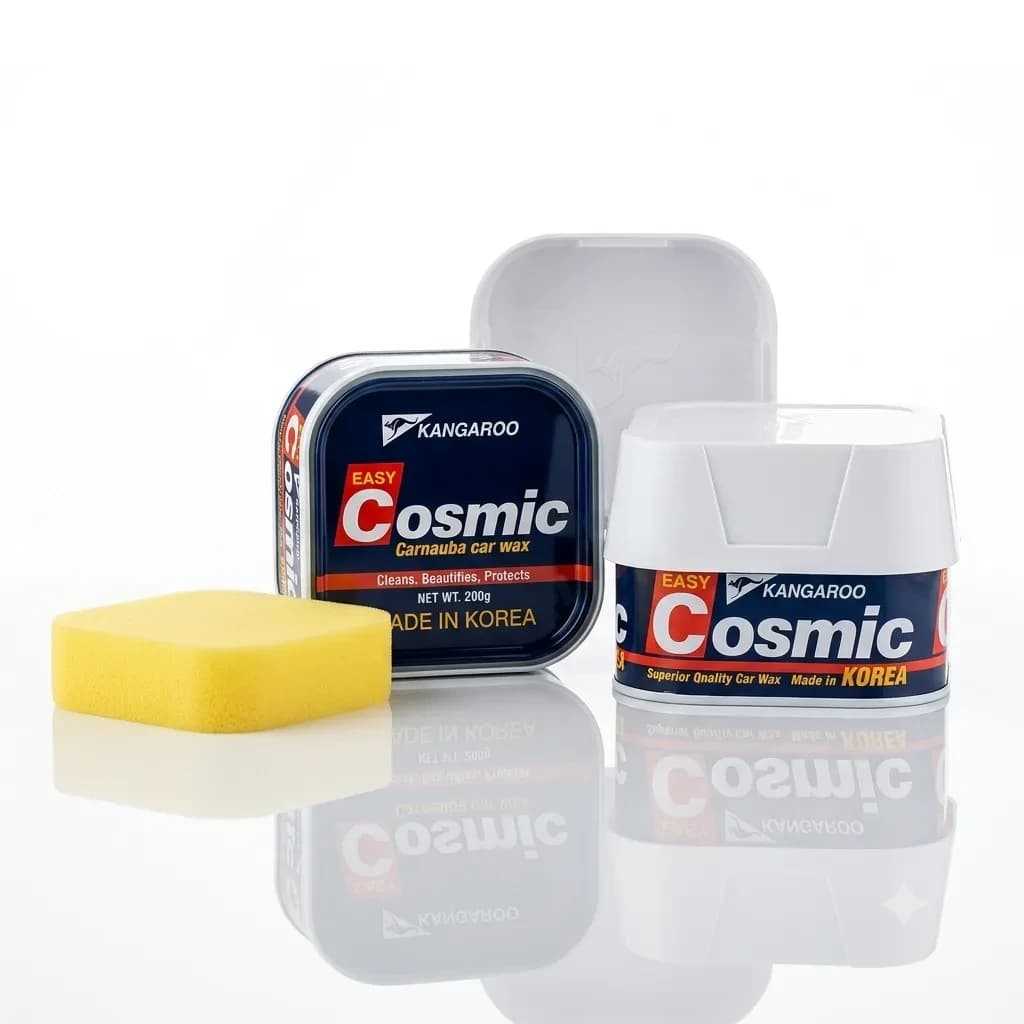
Twin Cities Gloss & Glow Combo (Cosmic Wax + 7CF Tyre Spray + Microfiber Towel)
Conquering Pakistani Roads: The Ultimate Guide to Wheel Balancing, Alignment & Suspension Survival
Navigating the asphalt landscapes of Lahore, Karachi, or Islamabad is a relentless stress test for your vehicle. From sudden monsoon craters and unmapped speed breakers (speed breakers built like miniature Himalayas) to unpaved expansion joints on the motorway, Pakistani roads wage a daily war against your car's undercarriage. If you have ever felt your steering wheel shimmying like a nervous dancer at 100 km/h on the Islamabad Expressway, or heard a gut-wrenching thud echoing through the cabin after clipping a hidden pothole in Gulshan-e-Iqbal, your car is crying out for technical intervention.
As a technology and automotive journalist who has spent countless hours consulting with master suspension technicians and analyzing modern vehicle telemetry, I can tell you one absolute truth: ignoring the early warning signs of undercarriage wear doesn't just ruin your ride quality—it compromises your safety and drains your wallet. Let's dive deep into the mechanics of wheel balancing, precision alignment, and suspension health tailored specifically for the grueling realities of driving in Pakistan.
The Physics of Punishment: Why Local Roads Destroy Undercarriages
Modern automobiles are marvels of mechanical and software engineering. Advanced driver-assistance systems (ADAS), electronic power steering (EPS), and multi-link suspensions work in harmony to deliver a cloud-like experience. However, no amount of computer wizardry can completely override the kinetic trauma of hitting a sharp-edged pothole at high speed.
When a front tire slams into an unsealed crater, the kinetic energy instantly transfers through the rim, wheel hub, control arms, and up into the steering column. Over time, this constant abuse knocks the steering geometry out of spec, deforms the tire casing, and creates microscopic play in critical pivoting joints. Understanding the triad of vehicle stability—balancing, alignment, and suspension—is your first line of defense.
Wheel Balancing Importance: Eliminating the High-Speed Shimmy
Many drivers confuse balancing with alignment, but they are entirely different beasts. Wheel balancing importance cannot be overstated: it ensures that the weight of the tire and wheel assembly is distributed evenly around the axle.
When a wheel is out of balance—often because a lead counterweight popped off after smacking a hidden trench on the Lahore Ring Road—certain spots on the wheel are heavier than others. As you accelerate, centrifugal force amplifies this imbalance, causing annoying steering wheel vibrations typically felt between 80 km/h and 120 km/h.
Reading the Signs: Wheel Alignment Symptoms
While balancing handles weight distribution, alignment dictates the geometric angles at which your tires meet the road. Camber, caster, and toe must be calibrated to microscopic tolerances. Ignoring this leads to classic wheel alignment signs car owners experience daily:
- The Phantom Pull: Your car drifts persistently to the left or right when you momentarily let go of the steering wheel on a straight patch of the motorway.
- Off-Center Steering: You are driving straight, but your steering wheel is visibly tilted to one side.
- Feathered Tread Wear: One edge of your tire tread looks smooth while the opposite edge looks jagged or cupped.
- Squealing Tires: Tires emitting protest squeals around routine turns at moderate speeds.
Decoding Suspension Noises and Component Failures
That symphony of rattles, clunks, and groans emanating from beneath your floorboards isn't just annoying; it's a diagnostic code. Pinpointing a suspension noise causes pothole connection helps you replace failing parts before catastrophic failure occurs.
Tie Rod End and Ball Joint Symptoms
Your steering linkage relies heavily on ball joints and tie rod ends to translate steering wheel rotation into lateral wheel movement. When these components fail due to lack of grease or sheer age, the results are dangerous.
- Tie Rod End & Ball Joint Symptoms: Look out for a loose, sloppy steering feel with a noticeable dead zone when you turn the wheel. If you hear a sharp metallic clunk or pop when turning into a tight parking spot or driveway, your ball joints are likely begging for retirement.
- Control Arm Bushing Collapse: Rubber bushings cushion metal-on-metal impacts. When they dry out and crack—accelerated by extreme summer heat in Multan or Jacobabad—you will hear a dull thudding sound over small bumps.
- Strut and Shock Absorber Fatigue: If your car bounces three or four times after passing over a speed breaker instead of settling immediately, your dampers are blown. Oil leaks visible on the outer casing of the shock absorber confirm this diagnosis.
Diagnostic Matrix: Symptoms vs. Solutions
| Issue Observed | Likely Culprit | Immediate Diagnostic Check | Recommended Solution |
|---|---|---|---|
| Steering wheel vibrates at 100+ km/h | Unbalanced wheels / lost weight | Inspect alloy rims for inner-lip dents | Computerized wheel balancing on a dynamic spin machine |
| Car pulls sharply to the left during braking | Misaligned toe angle or stuck brake caliper | Check tire pressures and brake pad wear evenly | 3D computerized wheel alignment and brake service |
| Metallic clunking over small road ripples | Worn stabilizer link (goat rod) or bushings | Physically push and pull the sway bar for play | Replace worn suspension links and polyurethane bushings |
| Loose steering with delayed response | Worn rack ends or outer tie rod joints | Jack up car and shake tire at 3-and-9 o'clock positions | Replace tie rod assemblies followed immediately by realignment |
| Bouncing excessively after bumps | Failed shock absorbers / struts | Push down hard on each fender corner and release | Replace shock absorbers in pairs (front or rear) |
Proactive Smooth Car Ride Tips for Pakistani Commuters
You cannot control municipal road repairs, but you can drastically reduce maintenance costs with smart driving habits and preventive care. Implement these smooth car ride tips starting today:
- Adopt Defensive Line Selection: Actively scan the road 15 meters ahead. Straddle shallow potholes if traffic allows, and brake before hitting a bump rather than braking during the impact, which compresses the front suspension and maximizes damage.
- Inspect Tire Pressures Weekly: Temperature fluctuations drastically alter tire pressure. Keep tires inflated to manufacturer-recommended PSI specifications (often found on the driver-side door jamb placard) to provide a natural cushion against road impacts.
- Invest in Quality Hardware: When replacing suspension components, avoid cheap, unbranded counterfeit parts flooding local markets. Opt for reputable OEM or high-grade aftermarket brands (like Kayaba, Lemförder, or genuine dealership parts) that use heavy-duty steel and durable rubber compounds.
- Prioritize Post-Pothole Checks: If you take a severe hit that makes you wince, don't wait for routine service. Visit a local alignment shop immediately to check if your toe angles have shifted or if your rims have bent.
- Incorporate Smart Gadgets: Keep your cabin organized and monitor your vehicle health using modern accessories. Utilizing a reliable digital tire inflator allows you to maintain precise pressures on the go, while a dash camera helps you document road hazards and unexpected drop-offs.
By treating your car's suspension and alignment as an interconnected biological system rather than isolated chunks of iron, you will enjoy a quieter, safer, and remarkably smoother journey across even the most punishing terrain.
Pak-o-Drive Automotive Specialist
Verified Editorial LeadPakistani automotive technician and specialist reviewer. Covering summer cooling solutions, engine oils, suspension setups, and verified accessories tested across Pakistani highways and urban climate.
Frequently Asked Questions
Direct answers to Pakistani driver queries, car fitments & verified solutions.
1How often should I get wheel alignment and balancing done in Pakistan?
Given the harsh road conditions, potholes, and speed breakers across Pakistan, it is recommended to get your wheels balanced and aligned every 5,000 to 10,000 kilometers, or immediately after hitting a major pothole or experiencing steering vibration.
2What is the difference between wheel alignment and wheel balancing?
Wheel balancing corrects weight imbalances in the tire and wheel assembly to eliminate high-speed vibrations. Wheel alignment adjusts the angles of the suspension and steering components (camber, caster, and toe) so your tires meet the road squarely and the car drives straight.
3Why does my car make a knocking noise when going over speed breakers?
A knocking or thudding noise over speed breakers typically indicates worn-out suspension components, such as degraded control arm bushings, loose stabilizer link bars, or failing shock absorbers that can no longer dampen impact energy.
4Can bad wheel alignment ruin my tires?
Yes. Incorrect alignment angles cause uneven tire wear—such as feathering, cupping, or severe wear on the inner or outer shoulders—drastically reducing the lifespan of expensive tires and compromising wet-weather traction.
Confused about vehicle fitment or part compatibility?
Consult directly with our automotive specialist on WhatsApp. Get instant sizing confirmation & 100% Cash on Delivery across Pakistan.
Recommended Upgrades & Genuine Accessories
100% Cash On Delivery• 7-Day Checking Warranty
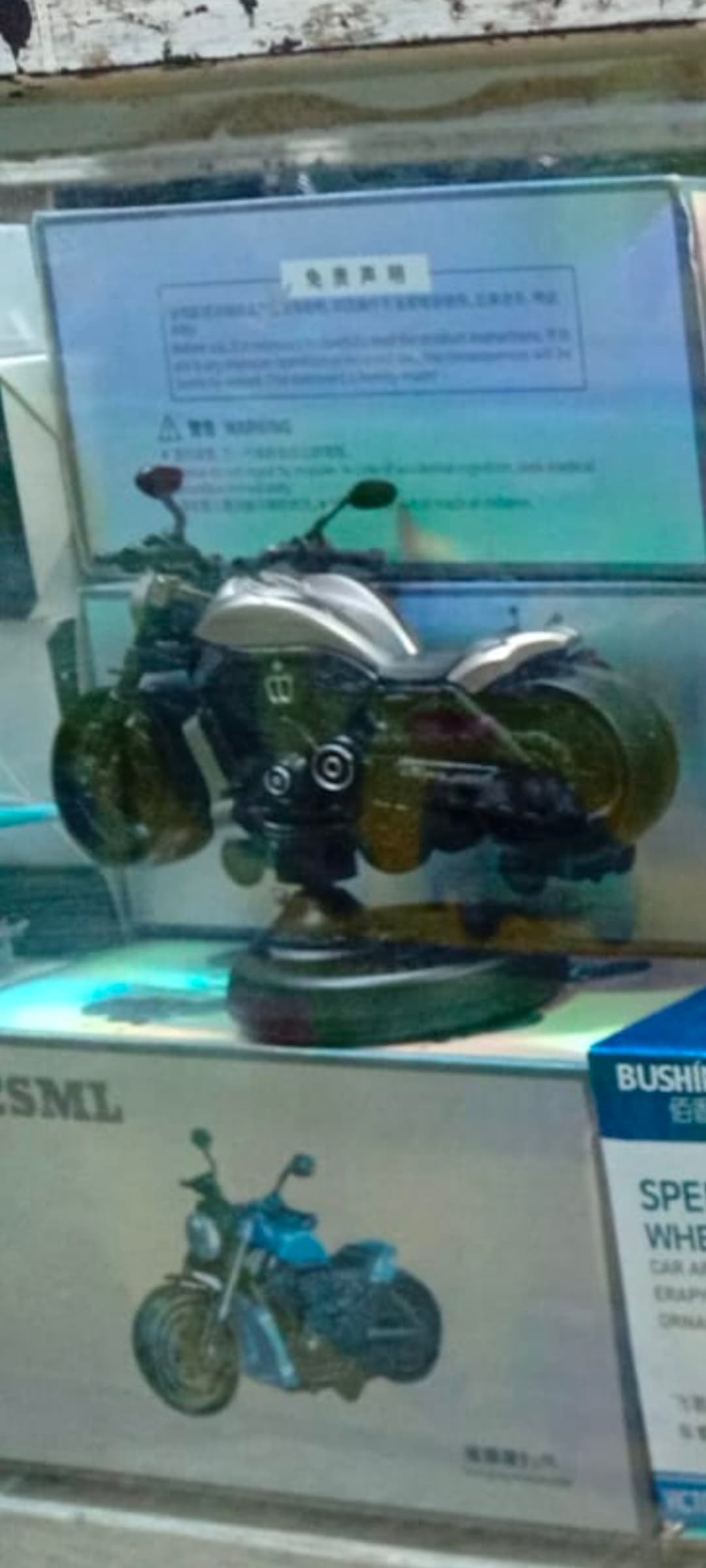
BUSHIN Solar Powered Motorcycle Model Dashboard Perfume Diffuser - Grey/Black

Leave a Reply
Your email address will not be published. Required fields are marked *