Demystifying Wheel Balancing, Alignment, and Suspension Noises on Brutal Pakistani Roads
Tackle potholes and eliminate cabin rattles with this engineering-backed guide to wheel balancing, 3D laser alignment, and diagnosing suspension wear on Pakistani roads.

Table of Contents (5 Sections)
- Static Imbalance: Causes a vertical bouncing action.
- Dynamic Imbalance: Causes a side-to-side wobble or steering shudder.
- The Symptom: If your steering wheel shakes violently between 80 km/h and 100 km/h, your front wheels need dynamic computer balancing. If your seat or floorboards vibrate while the steering stays relatively calm, the issue typically resides
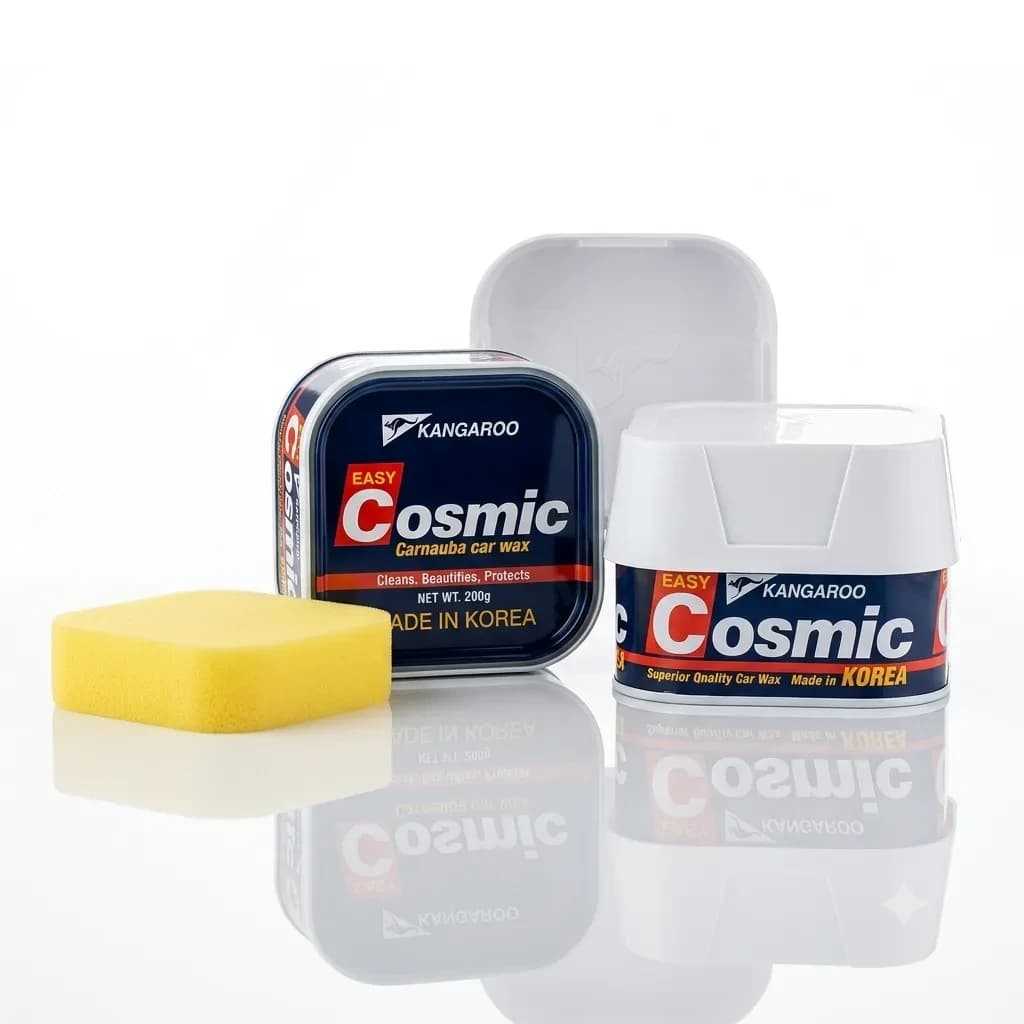
Twin Cities Gloss & Glow Combo (Cosmic Wax + 7CF Tyre Spray + Microfiber Towel)
Driving on Pakistani roads is an extreme test of automotive endurance. Between the unannounced lunar-crater potholes on Karachi's urban arteries, the bone-jarring expansion joints of Lahore's flyovers, and uneven rural bypasses, your vehicle's undercarriage takes a relentless beating. Drivers often normalize mysterious rattles, a steering wheel that pulls stubbornly to the left, or high-speed vibrations along the M-2 Motorway as mere character quirks of their car.
Ignoring these subtle distress signals transforms a minor, inexpensive adjustment into an catastrophic mechanical failure. Whether you drive a local workhorse like a Suzuki Alto, a hybrid Toyota Corolla Cross, or a luxury crossover, understanding how wheel balancing, laser alignment, and suspension kinematics interact is the difference between a glass-smooth glide and a blown ball joint at 120 km/h.
The Mechanical Triumvirate: Alignment, Balancing, and Suspension
Many motorists lump chassis maintenance into a generic visit to the local mistri. However, these are three distinct mechanical disciplines that must function in harmony.
1. Wheel Balancing: Eliminating Dynamic Shake
Wheel balancing addresses weight distribution imperfections across the combined tire and rim assembly. When a tire rotates at highway speeds, centrifugal force magnifies even a tiny 10-gram variance in weight into a noticeable harmonic oscillation.
- Static Imbalance: Causes a vertical bouncing action.
- Dynamic Imbalance: Causes a side-to-side wobble or steering shudder.
- The Symptom: If your steering wheel shakes violently between 80 km/h and 100 km/h, your front wheels need dynamic computer balancing. If your seat or floorboards vibrate while the steering stays relatively calm, the issue typically resides in the rear wheels.
2. Wheel Alignment: Tuning the Geometry
Alignment does not adjust the wheels themselves; it calibrates the angles of your suspension system so tires contact the tarmac at the exact intended attitude.
- Camber: The inward or outward tilt of the tire when viewed from the front. Negative camber aids high-speed cornering but ruins inner tire tread if excessive.
- Caster: The forward or rearward slope of the steering axis. It delivers high-speed straight-line stability and steering returnability.
- Toe (Toe-In / Toe-Out): The inward or outward angle of the tires when viewed from directly above. Incorrect toe settings destroy tire tread within weeks on coarse asphalt.
3. The Suspension: Damping the Chaos
Composed of coil springs, hydraulic or gas dampers (struts/shocks), control arms, stabilizer bars, and rubber-to-metal bushings, the suspension maintains continuous mechanical grip while absorbing structural impacts.
Diagnostic Matrix: Symptoms, Causes, and Solutions
When unexpected thumps begin echoing through the cabin, deciphering the acoustic profile saves both diagnosis time and repair costs. Use this comprehensive diagnostic matrix before authorizing work at the shop.
| Sound / Symptom | Likely Culprit | Root Cause | Urgency Level |
|---|---|---|---|
| Metallic clunking over low-speed bumps | Sway bar / Stabilizer links | Torn boots; dried grease causing metal-on-metal friction | Moderate (Inspect within 500 km) |
| Sharp popping sound when turning the wheel | Outer tie rod end or ball joint | Play in ball stud joint due to heavy pothole impact | Critical (Risk of wheel assembly separation) |
| High-speed steering shudder (80–110 km/h) | Dynamic wheel imbalance | Lost counterweights or bent alloy rim lip | Low to Moderate (Accelerates tire wear) |
| Continuous droning or humming at speed | Wheel bearing failure | Water ingress during monsoon or pothole shock damage | High (Bearing can seize at highway speeds) |
| Dull thud when shifting or accelerating | Engine / Transmission mount | Degraded rubber core or ruptured hydraulic seal | Moderate (Puts strain on drive axles) |
| Vehicle drifts to one side on level road | Asymmetrical caster/camber or improper toe | Misaligned steering geometry from curb impact | Moderate (Severely ruins tire tread) |
Deep Dive: Critical Suspension Components at Risk
Pakistani road environments expose steering linkages and suspension linkages to extreme stress cycles. Keep an eye on these specific failure points:
Tie Rod Ends and Ball Joints
Tie rods connect your steering rack to the wheel knuckles. Ball joints serve as the multidirectional pivots for front control arms. When rubber dust boots rupture—frequently accelerated by dust, standing rainwater, and road debris—road grime enters, transforming internal lubricating grease into an abrasive paste. Once excessive play develops, steering responsiveness deteriorates into a loose, wandering sensation.
Bushings: The Unsung Heroes
Rubber control arm bushings decouple suspension vibrations from the chassis. After several years of local summer heat cycles and oil leaks, rubber bushings harden, fissure, and tear. Upgrading to polyurethane bushings offers extreme durability, but often introduces harshness and road noise into the cabin; high-grade natural rubber OEM replacements remain the superior choice for day-to-day comfort.
Dampers and Strut Mountings
Leaking hydraulic fluid along the body of a shock absorber means its internal seals have given up. A blown shock cannot control spring oscillation, resulting in excessive body roll, elongated braking distances, and nose-diving under emergency deceleration.
Modern Diagnostics: 3D Computer Alignment vs. Roadside Gauges
Gone are the days when a technician could accurately align a multi-link independent suspension using a piece of fishing line, chalk, and open-ended spanners. Modern computerized 3D laser alignment systems utilize high-resolution digital cameras mounted on a tower to track passive reflective targets attached to all four wheels.
Why 3D Laser Alignment Outperforms Manual Methods:
- Thrust Angle Accuracy: It measures the rear axle angle relative to the vehicle centerline, preventing "dog-tracking" (where the car travels down the road sideways).
- Integrated Steering Angle Sensors (SAS): Modern cars equipped with Electronic Stability Control (ESC) rely on an accurate zero-point steering calibration. Aligning mechanical angles without resetting the SAS via an OBD2 diagnostic scanner confuses traction control systems.
- Precision Tolerances: Digital alignment machines read within hundredths of a degree, matching strict factory specifications for complex modern suspensions.
Actionable Framework: Achieving a Smooth Ride on Rugged Roads
Protect your vehicle's undercarriage and keep cabin noise minimal with this practical maintenance routine:
- Verify Cold Tire Pressure Bi-Weekly: Over-inflated tires transfer every ripple directly into your strut towers, cracking dash panels and wearing bushings. Under-inflation risks pinching the tire sidewall against pothole edges, bending your alloy rims. Always adhere to the door-jamb sticker, not the maximum PSI stamped on the tire sidewall.
- Insist on 4-Wheel Balancing Every 8,000 km: Rotate tires front-to-rear simultaneously to balance out asymmetric wear patterns common on front-wheel-drive vehicles.
- De-silt Wheel Arches Post-Monsoon: Accumulated mud inside the inner barrel of an alloy rim dries into a dense cake that disrupts wheel balance as effectively as a missing lead counterweight.
- Adopt the "Roll-Through" Pothole Technique: If you cannot avoid a pothole, brake firmly before it, but release the brake pedal just as your tire enters the depression. Rolling freely through the hole allows the suspension springs to cycle through their travel; braking while in the hole locks the suspension, driving maximum impact energy straight into the strut towers and chassis subframe.
- Inspect Dust Boots at Every Oil Change: Catching a torn $5 rubber boot on a steering rack or CV joint prevents a costly replacement of the entire mechanical component.
Pak-o-Drive Automotive Specialist
Verified Editorial LeadPakistani automotive technician and specialist reviewer. Covering summer cooling solutions, engine oils, suspension setups, and verified accessories tested across Pakistani highways and urban climate.
Frequently Asked Questions
Direct answers to Pakistani driver queries, car fitments & verified solutions.
1How often should I get wheel alignment done on Pakistani roads?
Under local driving conditions, have your wheel alignment inspected every 8,000 to 10,000 kilometers, or immediately after hitting an abrupt pothole, running over a curb, or noticing the car pull to one side.
2Can bad wheel alignment cause suspension noises?
Alignment itself rarely generates noise. However, the worn components that cause misaligned geometry—such as failing ball joints, loose tie rod ends, or torn control arm bushings—frequently produce clunking, rattling, and popping sounds over uneven surfaces.
3What happens if I ignore high-speed wheel balancing vibration?
Leaving unbalanced wheels uncorrected induces cyclic stress fatigue on wheel bearings, degrades shock absorber seals prematurely, triggers uneven scalloped (cupped) tire tread wear, and loosens interior dash fasteners over time.
4How do I know if my car's ball joints or tie rods are failing?
Common symptoms include excessive free play in the steering wheel, wandering at highway speeds, a faint squeaking or popping sound during low-speed full-lock turns, and accelerated wear concentrated on the inner or outer edges of your front tires.
Confused about vehicle fitment or part compatibility?
Consult directly with our automotive specialist on WhatsApp. Get instant sizing confirmation & 100% Cash on Delivery across Pakistan.
Recommended Upgrades & Genuine Accessories
100% Cash On Delivery• 7-Day Checking Warranty
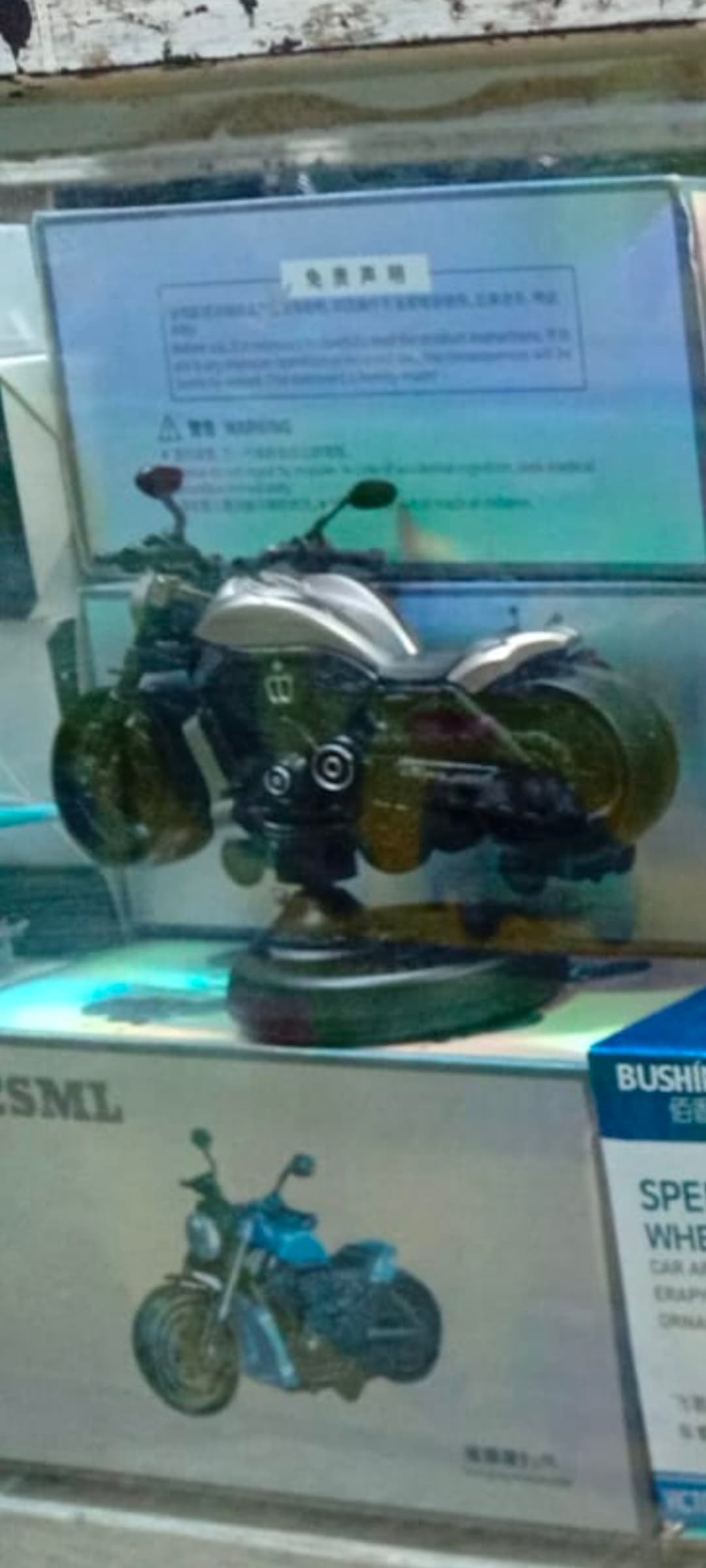
BUSHIN Solar Powered Motorcycle Model Dashboard Perfume Diffuser - Grey/Black

Leave a Reply
Your email address will not be published. Required fields are marked *