Conquering Pakistani Roads: The Ultimate Guide to Wheel Balancing, Alignment & Suspension Noises
Navigate Pakistan's toughest roads with expert insights on wheel alignment signs, suspension noise causes from potholes, and smart car maintenance tips for a smooth ride.

Table of Contents (4 Sections)
- Driving from the bustling urban sprawl of Karachi to the rugged mountain passes of Gilgit exposes your vehicle to a punishing gauntlet of infrastructure challenges.
- Unmarked speed breakers, sudden craters, monsoon-fed waterlogging, and perpetual construction zones test the structural integrity of every car on Pakistani roads.
- If your steering wheel feels like it has a mind of its own, or every dip in the asphalt produces a jarring metallic groan, your car is crying out for professional attention.
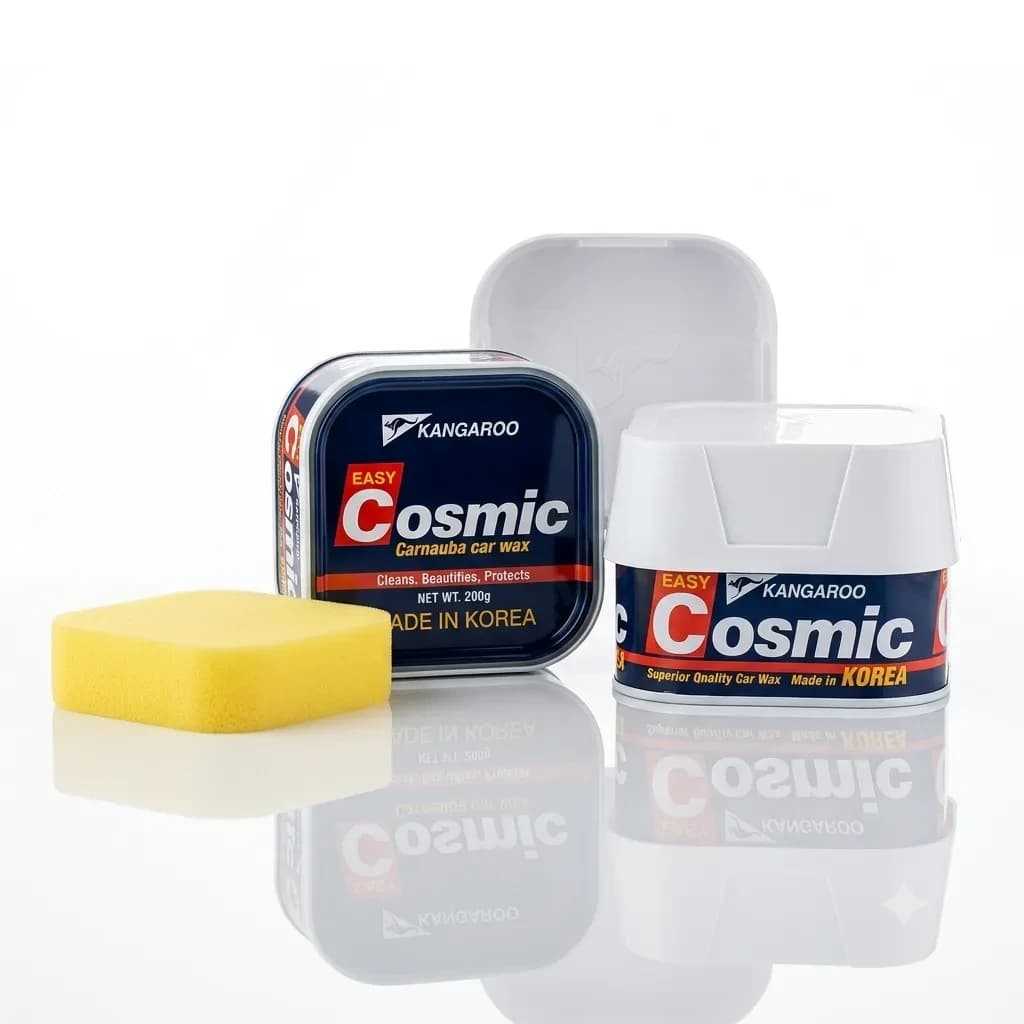
Twin Cities Gloss & Glow Combo (Cosmic Wax + 7CF Tyre Spray + Microfiber Towel)
Conquering Pakistani Roads: The Ultimate Guide to Wheel Balancing, Alignment & Suspension Noises
Driving from the bustling urban sprawl of Karachi to the rugged mountain passes of Gilgit exposes your vehicle to a punishing gauntlet of infrastructure challenges. Unmarked speed breakers, sudden craters, monsoon-fed waterlogging, and perpetual construction zones test the structural integrity of every car on Pakistani roads. If your steering wheel feels like it has a mind of its own, or every dip in the asphalt produces a jarring metallic groan, your car is crying out for professional attention.
Achieving a truly smooth car ride tips the scale between an exhausting commute and an effortless journey. Modern automobiles are complex mechanical symphonies, yet their interaction with the road relies on three fundamental pillars: wheel balancing, wheel alignment, and a healthy suspension system. Understanding how these systems interact, especially under harsh driving conditions, saves you from catastrophic repair bills and keeps your family safe.
The Anatomy of Local Road Stress: Why Pakistani Potholes Destroy Suspensions
The local driving landscape is uniquely hostile. When a vehicle slams into an unpaved trench or a poorly engineered speed breaker at 60 km/h, the kinetic energy doesn't simply disappear. It transfers violently through the rubber, into the alloy wheels, up through the control arms, and directly into the chassis.
Over time, this constant abuse distorts the geometric angles of your steering and degrades the rubber bushings cushioning your metal components. Ignoring these micro-traumas leads directly to premature tire wear, erratic handling, and plummeting fuel efficiency. Let's break down the distinct warning signs and technical culprits behind these common mechanical headaches.
Spotting the Red Flags: Wheel Alignment Signs and Balancing Issues
Many drivers confuse wheel balancing with wheel alignment, treating them as interchangeable workshop services. They are entirely different disciplines.
- Wheel Balancing Importance: Balancing ensures that the weight of the tire and wheel assembly is distributed evenly around the axle. When weights shift due to a heavy impact, you will feel high-frequency vibrations in your steering wheel or seat, usually at speeds between 80 km/h and 110 km/h.
- Wheel Alignment Signs Car: Alignment refers to adjusting the angles of the wheels (camber, caster, and toe) so they are perpendicular to the ground and parallel to each other. If your car drifts to the left or right when you briefly let go of the steering wheel, or if your steering wheel is crooked while driving straight, your alignment is critically compromised.
Symptoms vs. Solutions Diagnostic Matrix
| Problem Symptom | Primary Root Cause | Recommended Action | Urgency Level |
|---|---|---|---|
| Steering wheel vibration at high speeds | Uneven weight distribution on tire assembly | Professional computer wheel balancing | Moderate |
| Car pulls sharply to one side | Incorrect toe or camber angles | 3D Laser Wheel Alignment | High |
| Clunking noise when turning steering | Worn tie rod ends or ball joints | Immediate inspection and replacement | Critical |
| Hollow knocking over minor bumps | Blown shock absorbers or worn stabilizer links | Suspension overhaul | High |
Decoding Suspension Noise Causes from Potholes
That sickening thud, squeak, or rattle every time you cross a patch of broken pavement is your suspension trying to absorb forces it was barely designed to handle. Pinpointing the source of a suspension noise requires a keen ear and a basic understanding of modern automotive joints.
Tie Rod End and Ball Joint Symptoms
The steering linkage relies heavily on ball joints and tie rod ends to pivot smoothly while enduring vertical shocks. When these components fail, the consequences are severe.
- Play in the Steering: If your steering wheel feels loose or has a noticeable dead zone before the tires actually turn, your tie rod ends are likely worn out.
- Squeaking or Chirping: A high-pitched squeak when turning the wheel at low speeds (like parking) often points to unlubricated or dry ball joints.
- Uneven 'Cupped' Tire Wear: If your tires exhibit patchy bald spots across the tread pattern, the wheel is bouncing uncontrollably due to failing shock absorbers or loose joints.
Integrating Smart Tech and Preventive Maintenance
In the era of smart gadgets and digital vehicle tracking, maintaining your car has evolved beyond relying solely on your mechanic's guesswork. Utilizing modern digital tire pressure gauges ensures your tires maintain optimal PSI, which absorbs initial shock impacts before they reach delicate suspension arms. Furthermore, keeping an onboard dash cam records unexpected road hazards, providing vital evidence if a massive pothole damages your alloy rims or steering rack.
Actionable Checklist for a Smoother Ride
- Check Tire Pressure Bi-Weekly: Incorrect pressure alters contact patches and accelerates uneven wear.
- Inspect Dust Boots Visually: Torn rubber boots on CV joints and tie rods allow abrasive dust and mud from local roads to grind internal bearings.
- Schedule Routine Checks Every 5,000 KM: Pair your oil change intervals with a mandatory suspension check and tire rotation.
- Avoid Deep Potholes When Safe: Even a momentary reduction in speed significantly minimizes impact shock.
Pak-o-Drive Automotive Specialist
Verified Editorial LeadPakistani automotive technician and specialist reviewer. Covering summer cooling solutions, engine oils, suspension setups, and verified accessories tested across Pakistani highways and urban climate.
Frequently Asked Questions
Direct answers to Pakistani driver queries, car fitments & verified solutions.
1How often should I get my wheels aligned and balanced in Pakistan?
Given the rough road conditions, speed breakers, and potholes across Pakistan, it is recommended to get your wheels balanced and aligned every 5,000 to 10,000 kilometers, or whenever you notice steering vibration or pulling.
2What causes that metallic knocking sound when driving over bumps?
Metallic knocking noises are typically caused by worn-out suspension components, such as stabilizer link rods, ball joints, control arm bushings, or weak shock absorbers failing to dampen impacts.
3Can bad wheel alignment ruin new tires?
Yes. Incorrect toe or camber angles cause excessive friction, leading to rapid shoulder wear, feathering, or completely bald patches on your tires within a few thousand kilometers.
4What are the key symptoms of a failing tie rod end?
Key symptoms include loose or unresponsive steering, a clunking noise when turning at low speeds, and uneven tire wear where the steering wheel vibrates or drifts unpredictably.
Confused about vehicle fitment or part compatibility?
Consult directly with our automotive specialist on WhatsApp. Get instant sizing confirmation & 100% Cash on Delivery across Pakistan.
Recommended Upgrades & Genuine Accessories
100% Cash On Delivery• 7-Day Checking Warranty

BUSHIN Solar Powered Motorcycle Model Dashboard Perfume Diffuser - Grey/Black


Leave a Reply
Your email address will not be published. Required fields are marked *