Conquering Pakistani Roads: The Ultimate Guide to Wheel Balancing, Alignment & Suspension Survival
Master car maintenance on punishing Pakistani roads. Learn to spot wheel alignment signs, fix suspension noises from potholes, and secure a smooth car ride.

Table of Contents (4 Sections)
- Driving from the bustling urban sprawl of Karachi to the rugged mountain passes of Gilgit-Baltistan exposes your vehicle to a punishing obstacle course.
- Unmarked speed breakers, crater-sized potholes, open manholes, and erratic construction zones turn every daily commute into a mechanical stress test.
- If your steering wheel feels like it has a mind of its own or your cabin sounds like a percussion ensemble every time you cross a rough patch, your car is sending out an SOS.
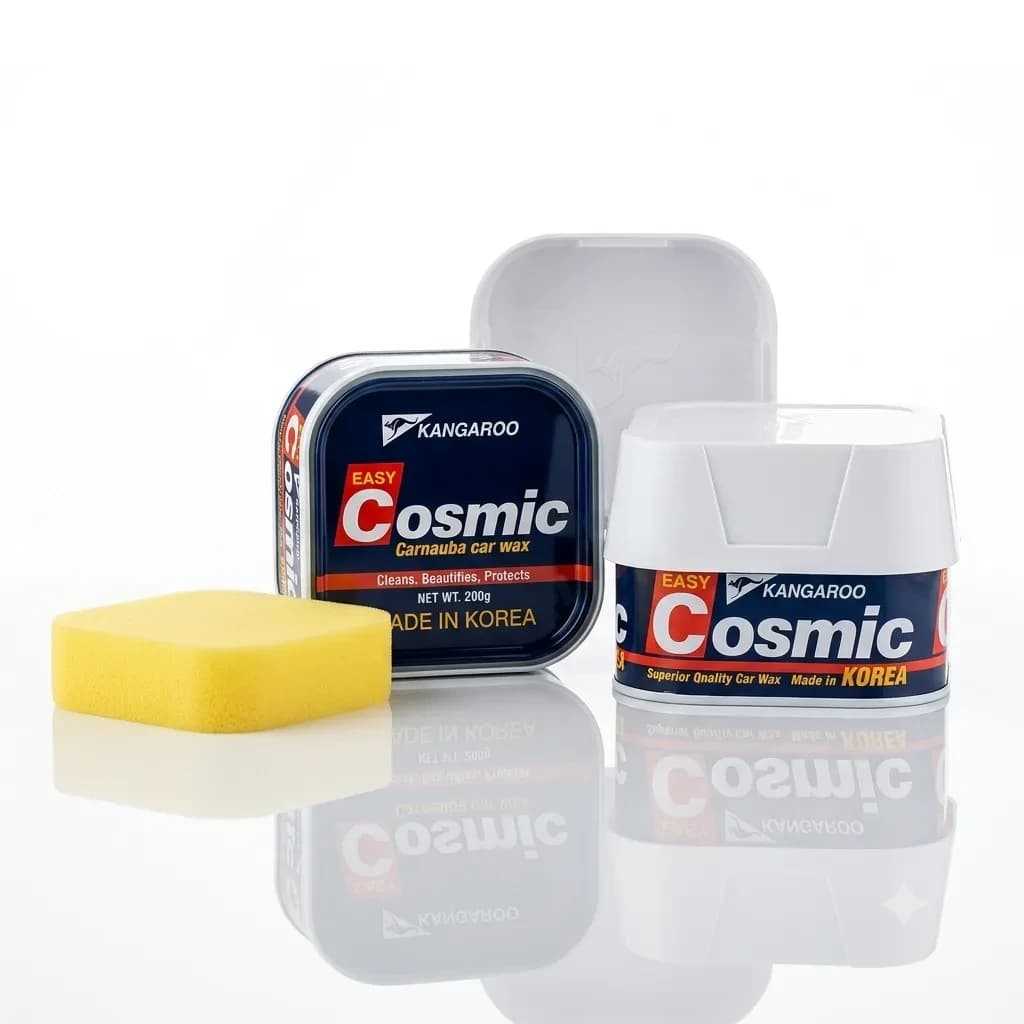
Twin Cities Gloss & Glow Combo (Cosmic Wax + 7CF Tyre Spray + Microfiber Towel)
Conquering Pakistani Roads: The Ultimate Guide to Wheel Balancing, Alignment & Suspension Survival
Driving from the bustling urban sprawl of Karachi to the rugged mountain passes of Gilgit-Baltistan exposes your vehicle to a punishing obstacle course. Unmarked speed breakers, crater-sized potholes, open manholes, and erratic construction zones turn every daily commute into a mechanical stress test. If your steering wheel feels like it has a mind of its own or your cabin sounds like a percussion ensemble every time you cross a rough patch, your car is sending out an SOS.
Achieving a smooth car ride on local infrastructure is not merely about comfort; it is a vital matter of vehicle safety, fuel economy, and long-term financial preservation. Let us dissect the mechanics of your vehicle's undercarriage, decode those unsettling sounds, and look at how modern diagnostic tech and smart accessories can keep your daily driver in pristine condition.
The Anatomy of Undercarriage Stress: Why Pakistani Roads Are Unique
Automotive engineering is largely standardized globally, but local driving conditions accelerate wear and tear exponentially. When a car tire slams into an unpaved trench at 50 km/h, the impact energy travels instantly through the rubber, alloy rims, suspension arms, and straight into the chassis. Over time, this constant kinetic trauma knocks precision geometry out of whack.
Wheel Balancing Importance: More Than Just Stopping Vibrations
Many drivers assume that wheel balancing is only necessary when their steering wheel shakes violently at highway speeds. In reality, balancing distributes the weight of the tire and wheel assembly evenly around the axle.
- Preventing Uneven Tread Wear: Unbalanced wheels create heavy spots that bounce against the asphalt, chewing through expensive rubber prematurely.
- Saving Suspension Components: Constant micro-vibrations wreak havoc on wheel bearings, shock absorbers, and steering racks.
- Optimizing Fuel Efficiency: Rolling resistance increases when wheels are out of balance, forcing your engine to burn more fuel to maintain momentum.
Decoding Wheel Alignment Signs in Your Car
Wheel alignment refers to the adjustment of your vehicle's suspension—the system that connects your car to its wheels. Hitting deep potholes shifts your camber, caster, and toe angles out of specification. Look out for these telltale wheel alignment signs:
- The Phantom Pull: Your car drifts to the left or right even when you hold the steering wheel straight.
- Crooked Steering: You are driving straight down Main Boulevard, but your steering wheel is tilted at an awkward angle.
- Screeching Tires: Hearing an unexplained squealing sound from your tires during low-speed turns.
- Rapid Shoulder Wear: Inspecting your tires and finding the tread worn down entirely on the inner or outer edge.
Suspension Noise Causes and Pothole Trauma
When suspension components fail, your car loses its ability to absorb impacts efficiently. Knowing the source of every thud, clunk, or squeak can save you from catastrophic mechanical failure on the highway.
Tie Rod End and Ball Joint Symptoms
Your steering linkage relies on tie rod ends and ball joints to pivot smoothly while keeping wheels anchored. When these joints wear out due to lack of lubrication or severe pothole impacts, safety becomes a primary concern.
- Loose Steering Play: You turn the steering wheel slightly, but the car delays responding.
- Clunking Sounds: A distinct metal-on-metal clunk or pop when turning the steering wheel at low speeds or pulling into a driveway.
- Vibration in the Floorboard: A persistent shimmy felt right beneath your feet while accelerating.
Maintenance Diagnostic Comparison: Symptoms vs. Solutions
| Issue / Symptom | Likely Culprit | Recommended Fix | Smart Tech / Tool Aid |
|---|---|---|---|
| Steering wheel vibration at 100 km/h | Unbalanced wheels or bent rims | Computerized wheel balancing & rim rolling | Digital tire pressure gauge |
| Car pulls sharply to one side | Misaligned toe or camber angles | 3D computerized wheel alignment | OBD2 diagnostic scanner |
| Clunking noise over bumps | Worn ball joints or strut mounts | Suspension overhaul & part replacement | High-grade hydraulic floor jack |
| Squeaking or floating ride quality | Degraded shock absorbers or leaf springs | Shock absorber replacement & bushing swap | Digital air compressor |
Leveraging Technology and Smart Gadgets for Better Car Maintenance
Modern car care extends beyond the mechanic's workshop. Integrating digital tools and high-tech accessories into your routine ensures proactive upkeep rather than reactive panic.
1. TPMS (Tire Pressure Monitoring Systems)
Maintaining optimal tire pressure is your first line of defense against pothole damage. Low pressure allows rims to strike against asphalt during impacts, causing immediate structural failure. A wireless TPMS displays real-time PSI and temperature right on your dashboard.
2. OBD2 Diagnostic Scanners
Instead of guessing why a check engine light or stability control warning popped up after a rough patch of road, plug a Bluetooth OBD2 scanner into your car's port and read live sensor data directly on your smartphone.
3. Portable Smart Air Compressors
Fluctuating temperatures and road shocks cause tires to lose air rapidly. Keeping a compact, rechargeable smart air compressor in your trunk lets you calibrate tire pressure instantly on the go.
Actionable Tips for a Smoother Car Ride
- Adopt Defensive Pothole Scanning: Train your eyes to read road surfaces 20 meters ahead, anticipating depressions rather than reacting at the last microsecond.
- Crawl Over Speed Breakers: Never brake aggressively while actively rolling over a speed breaker; instead, release the brake just before impact to let the suspension decompress naturally.
- Schedule Bi-Annual Alignments: Do not wait for symptoms to appear. Get a computerized alignment and balancing check every 5,000 to 10,000 kilometers, especially after long road trips.
- Invest in Quality Rubber: Cheap tires with weak sidewalls rupture instantly on local roads. Opt for reinforced sidewall tires designed for developing-market infrastructure.
Pak-o-Drive Automotive Specialist
Verified Editorial LeadPakistani automotive technician and specialist reviewer. Covering summer cooling solutions, engine oils, suspension setups, and verified accessories tested across Pakistani highways and urban climate.
Frequently Asked Questions
Direct answers to Pakistani driver queries, car fitments & verified solutions.
1How often should I get my wheels aligned and balanced in Pakistan?
Due to rough road conditions, potholes, and speed breakers, it is recommended to get your wheels aligned and balanced every 5,000 to 10,000 kilometers, or immediately after hitting a severe pothole.
2What causes that annoying clunking noise when I drive over bumps?
Clunking noises are usually caused by worn-out suspension components such as ball joints, tie rod ends, control arm bushings, or degraded strut mounts that can no longer absorb impacts.
3Can bad wheel alignment ruin my new tires?
Yes. Incorrect alignment angles cause tires to drag rather than roll smoothly across the asphalt, resulting in rapid, uneven tread wear that can ruin a brand-new set of tires in just a few thousand kilometers.
4Is wheel balancing the same thing as wheel alignment?
No. Wheel balancing equalizes the weight distribution of the tire and wheel assembly to stop vibrations, whereas wheel alignment adjusts the suspension angles so your wheels point straight and parallel.
Confused about vehicle fitment or part compatibility?
Consult directly with our automotive specialist on WhatsApp. Get instant sizing confirmation & 100% Cash on Delivery across Pakistan.
Recommended Upgrades & Genuine Accessories
100% Cash On Delivery• 7-Day Checking Warranty

BUSHIN Solar Powered Motorcycle Model Dashboard Perfume Diffuser - Grey/Black


Leave a Reply
Your email address will not be published. Required fields are marked *