Mastering Wheel Balancing, Alignment & Suspension Noises on Pakistani Roads
A comprehensive guide to diagnosing wheel alignment signs, balancing importance, suspension noise causes, and practical tips for a smooth ride on Pakistan’s challenging roads.

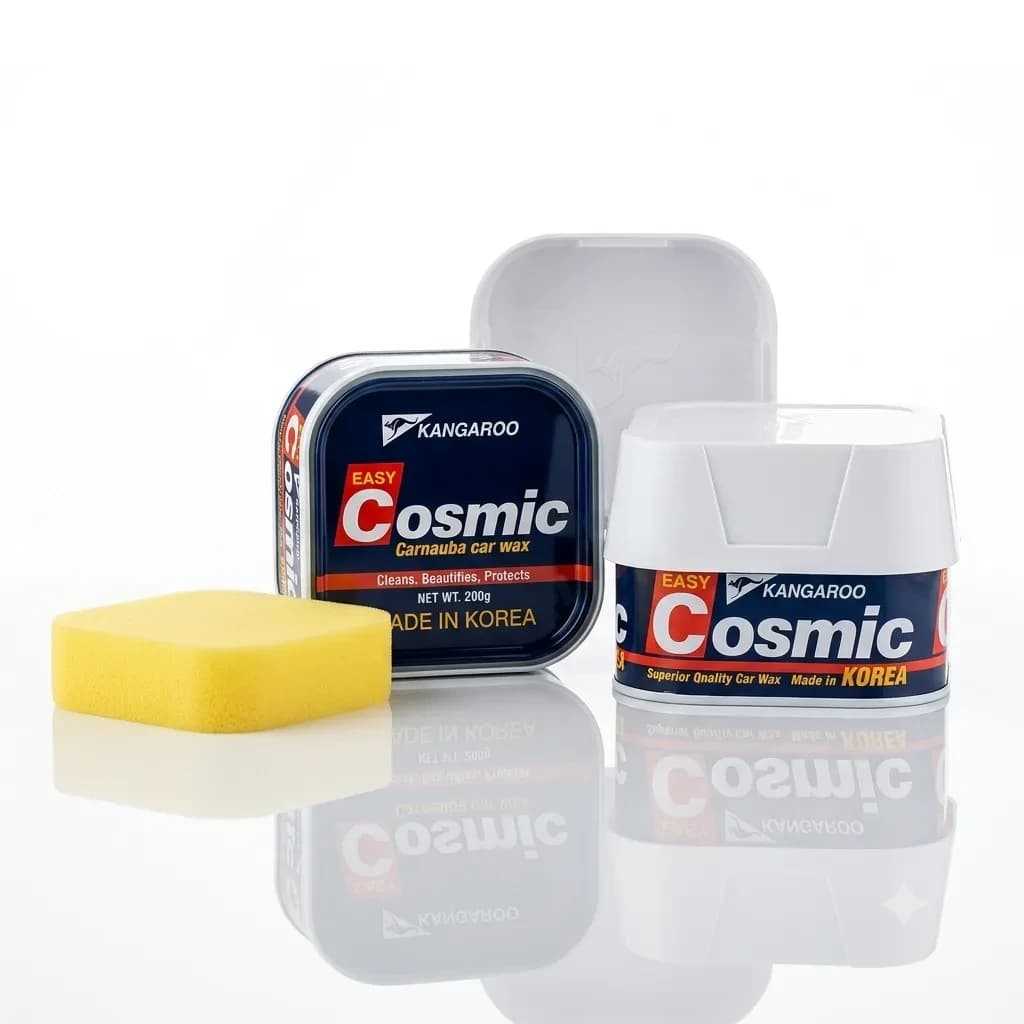
Twin Cities Gloss & Glow Combo (Cosmic Wax + 7CF Tyre Spray + Microfiber Towel)
Introduction\n\nPakistan’s highways and city streets are a test of endurance for any vehicle. From pothole‑riddled boulevards in Karachi to uneven mountain passes near Murree, the road surface constantly challenges your car’s wheels, suspension and steering. When you feel a wobble at 60 km/h, hear a thudding after every bump, or notice uneven tire wear, the culprit is often wheel alignment, balancing, or a failing suspension component. This guide breaks down the science, the symptoms, and the step‑by‑step actions you need to keep your ride smooth, safe, and fuel‑efficient.\n\n---\n\n## 1. Wheel Balancing – Why It Matters\n\n### The physics behind balancing\nEvery tire‑wheel assembly has a rotating mass. If that mass isn’t evenly distributed, centrifugal forces create vibration that you feel through the steering wheel or seat. Over time, the vibration can damage wheel bearings, CV joints and even the suspension bushings.\n\n### Wheel balancing importance (target keyword)\n- Reduced tire wear – Balanced wheels wear evenly, extending tire life by up to 30 %.\n- Improved fuel economy – Less vibration means the engine doesn’t have to work harder.\n- Enhanced comfort – No more that annoying hum at highway speeds.\n\n### How to check if your wheels need balancing\n1. Drive at 50‑70 km/h on a smooth road.\n2. Feel for a steady vibration in the steering wheel or seat.\n3. Notice any wobble that intensifies when you change lanes.\n4. If any of the above occur, schedule a professional balancing.\n\n---\n\n## 2. Wheel Alignment – Spotting the Signs (target keyword: wheel alignment signs car)\n\n### What is alignment?\nWheel alignment is the adjustment of the three primary angles – camber, caster and toe – so that the tires meet the road at the optimal angle. Proper alignment ensures straight‑line stability and even tire wear.\n\n### Common alignment signs\n| Symptom | Likely Cause | Quick Fix |\n|---|---|---|\n| Car pulls to one side | Mis‑aligned camber/toe | Get a professional alignment check |\n| Uneven tire wear (inner/outer edges) | Incorrect camber | Adjust camber settings |\n| Steering wheel off‑center when driving straight | Toe mis‑adjustment | Realign toe angle |\n| Vibration at high speeds after hitting a pothole | Alignment shift | Re‑align and balance wheels |\n\n### DIY alignment check (for the tech‑savvy)\n- Tools needed: digital angle gauge, tape measure, chalk line.\n- Steps:\n 1. Park on a level surface and lock the steering wheel.\n 2. Measure camber on each wheel; compare to manufacturer specs.\n 3. Measure toe by marking the front and rear edges of the tires and calculating the distance difference.\n 4. If values deviate more than 0.1°, it’s time for a professional service.\n\n---\n\n## 3. Suspension Noise – From Potholes to Faulty Parts (target keyword: suspension noise causes pothole)\n\n### Why potholes are the silent assassins\nPakistani roads are notorious for sudden, deep potholes. When a wheel hits a pothole, the impact force travels through the suspension system, stressing components like struts, tie‑rod ends, ball joints and bushings. Repeated hits accelerate wear and generate distinct noises.\n\n### Typical suspension noises and their meanings\n| Noise Type | When It Happens | Likely Source | Remedy |\n|---|---|---|---|\n| Clunk | Over bumps or during hard braking | Worn ball joint or tie‑rod end | Replace the faulty joint (see tie‑rod end ball joint symptoms) |\n| Squeak | Turning at low speeds | Dry bushings or worn sway bar links | Lubricate or replace bushings |\n| Rattling | After hitting a pothole | Loose strut mount or broken coil spring | Tighten mounts or replace spring |\n| Thump | Every 2‑3 seconds on rough road | Damaged shock absorber | Rebuild or replace shock absorber |\n\n### Tie‑rod end & ball joint symptoms (target keyword)\n- Loose steering feel – you can wiggle the wheel more than usual.\n- Uneven tire wear – especially on the inner edge.\n- Clunking when turning – a clear sign the joint has exceeded its lifespan.\n\n#### Quick inspection checklist\n- Lift the front of the car and grab the tie‑rod end; it should not move more than a few millimetres.\n- Pull the wheel outward; the ball joint should stay tight.\n- Listen for any metallic sounds while rotating the wheel by hand.\n\n---\n\n## 4. The Pakistani Road Reality – Adapting Your Maintenance Routine\n\n### Seasonal considerations\n- Monsoon season brings water‑filled potholes that hide beneath the surface. Inspect suspension after each heavy rain.\n- Winter (in northern regions) causes rubber components to stiffen; check ball joints for cracks.\n\n### Smart gadgets that help you stay ahead\n| Gadget | What It Does | Why It’s Useful in Pakistan |\n|---|---|---|\n| Car diagnostic scanner | Reads OBD‑II codes, monitors sensor data | Detects early suspension sensor failures before they become noisy |\n| Wheel alignment laser kit | Provides visual alignment reference | Enables DIY checks on the go, especially in remote areas |\n| Tire pressure monitoring system (TPMS) | Alerts low pressure in real time | Prevents uneven wear caused by under‑inflated tires on rough roads |\n| Portable suspension strut compressor | Allows you to compress struts for inspection | Makes it easier to spot leaks after a pothole impact |\n| Smartphone mount with vibration sensor | Records vibration patterns while driving | Helps you pinpoint the exact speed and location of a vibration episode |\n\n### Smooth car ride tips (target keyword)\n- Maintain correct tire pressure – check weekly; under‑inflation amplifies vibration.\n- Rotate tires every 8,000‑10,000 km – balances wear and helps spot alignment drift early.\n- Inspect suspension bushings every 12 months – replace cracked or hardened bushings before they cause noise.\n- Use high‑quality shock absorbers – especially on highways with frequent potholes; they absorb impact better.\n- Schedule a full alignment and balancing after any major road impact – a single pothole can knock the geometry out of spec.\n\n---\n\n## 5. Step‑by‑Step Action Plan for the Everyday Driver\n\n1. Pre‑drive visual scan – Look for tire wear patterns and any visible damage to wheels.\n2. Listen – After a short drive, note any unusual sounds (clunk, squeak, thump).\n3. Measure – Use a digital camber gauge or a smartphone app to check alignment angles.\n4. Balance check – If vibration appears above 60 km/h, have the wheels balanced at a reputable shop.\n5. Suspension inspection – Lift the car, wiggle tie‑rod ends and ball joints; replace if loose.\n6. Record – Keep a maintenance log (date, mileage, action taken). This log is gold for resale value and for future diagnostics.\n\n### Quick checklist (copy‑paste for your notes)\n- [ ] Tire pressure at recommended PSI\n- [ ] No uneven tire wear\n- [ ] No steering pull\n- [ ] No clunking when turning\n- [ ] Wheels balanced within the last 6 months\n- [ ] Alignment checked after any major pothole impact\n\n---\n\n## 6. Future Trends: AI‑Powered Diagnostics & Smart Suspension\n\nThe automotive world is moving toward predictive maintenance. AI‑driven OBD‑II scanners now analyse vibration signatures and can alert you before a component fails. In the next few years, Pakistani car owners will likely see:\n- Cloud‑based suspension health dashboards that aggregate data from multiple sensors.\n- Smart tires with built‑in pressure and temperature sensors that adapt inflation on the fly, reducing the impact of potholes.\n- Augmented‑reality (AR) alignment guides that overlay optimal wheel angles onto your windshield via a heads‑up display.\n\nWhile these technologies are still emerging, early adopters can start with a basic OBD‑II scanner and a vibration‑analysis app to get a taste of AI‑assisted maintenance.\n\n---\n\n## Conclusion\nUnderstanding wheel balancing, alignment and suspension noises isn’t reserved for mechanics alone. With the right knowledge, a few inexpensive tools, and a disciplined inspection routine, any driver in Pakistan can transform a noisy, uncomfortable ride into a smooth, safe journey. Remember: a well‑balanced wheel, a correctly aligned steering geometry, and a healthy suspension are the three pillars of a happy car. Keep them in check, and the road – no matter how pothole‑filled – will feel like a runway.\n\n---\n\nStay tuned for our next guide on “Choosing the Right Shock Absorber for Pakistani Terrains”.
Pak-o-Drive Automotive Specialist
Verified Editorial LeadPakistani automotive technician and specialist reviewer. Covering summer cooling solutions, engine oils, suspension setups, and verified accessories tested across Pakistani highways and urban climate.
Frequently Asked Questions
Direct answers to Pakistani driver queries, car fitments & verified solutions.
1How often should I get my wheels balanced in Pakistan?
It’s recommended to balance your wheels every 8,000‑10,000 km or after any major road impact such as hitting a deep pothole. Regular balancing also helps extend tire life.
2What are the most common signs that my wheel alignment is off?
Typical signs include the car pulling to one side, uneven tire wear on the inner or outer edges, a steering wheel that isn’t centered when driving straight, and vibration after hitting a pothole.
3Which suspension components cause a clunking noise after a pothole hit?
A clunk usually points to worn ball joints, tie‑rod ends, or loose strut mounts. Inspect these parts for play and replace any component that shows excessive movement.
4Can I check wheel alignment at home without professional tools?
Yes, with a digital angle gauge or a smartphone alignment app you can measure camber and toe angles on a level surface. If readings deviate more than 0.1°, it’s best to visit a professional.
5What smart gadgets can help me maintain a smooth ride on rough Pakistani roads?
A car diagnostic scanner, a portable wheel alignment laser kit, a tire pressure monitoring system, a suspension strut compressor, and a smartphone mount with vibration sensor are all useful for proactive maintenance.
Confused about vehicle fitment or part compatibility?
Consult directly with our automotive specialist on WhatsApp. Get instant sizing confirmation & 100% Cash on Delivery across Pakistan.
Recommended Upgrades & Genuine Accessories
100% Cash On Delivery• 7-Day Checking Warranty
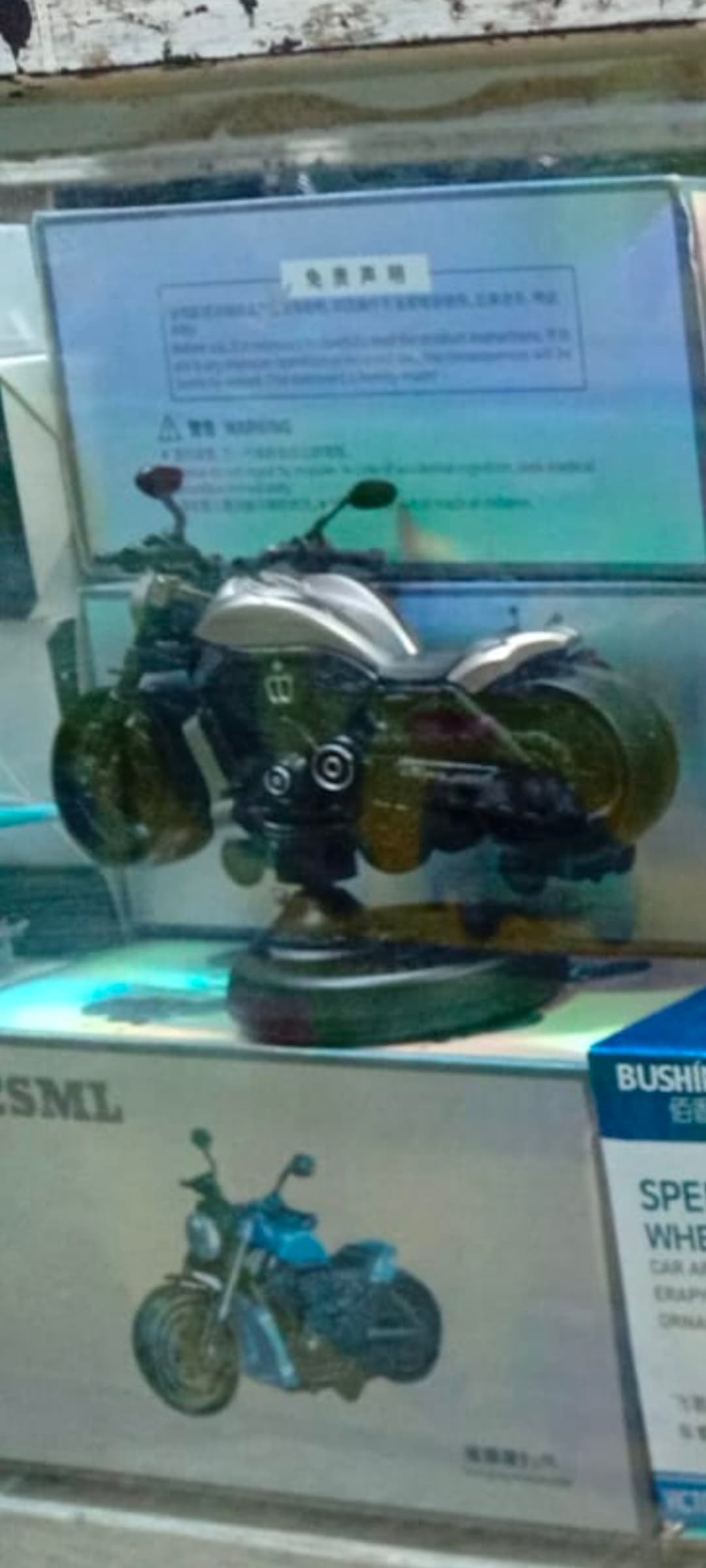
BUSHIN Solar Powered Motorcycle Model Dashboard Perfume Diffuser - Grey/Black

Leave a Reply
Your email address will not be published. Required fields are marked *