Conquering Pakistani Roads: The Ultimate Guide to Wheel Balancing, Alignment & Suspension Survival
Master car maintenance on rough Pakistani roads. Learn wheel alignment signs, suspension noise causes, tie rod end symptoms, and tips for a smooth car ride.

Table of Contents (6 Sections)
- Navigating daily commutes across Lahore's construction zones, Karachi's notorious craters, or Islamabad's sudden speed bumps is a true test of automotive endurance.
- If your steering wheel feels like it has a mind of its own or your cabin sounds like a percussion ensemble every time you hit a rough patch, your vehicle is begging for attention.
- Driving on neglected infrastructure takes a brutal toll on your car's undercarriage, turning minor vibrations into expensive mechanical failures.
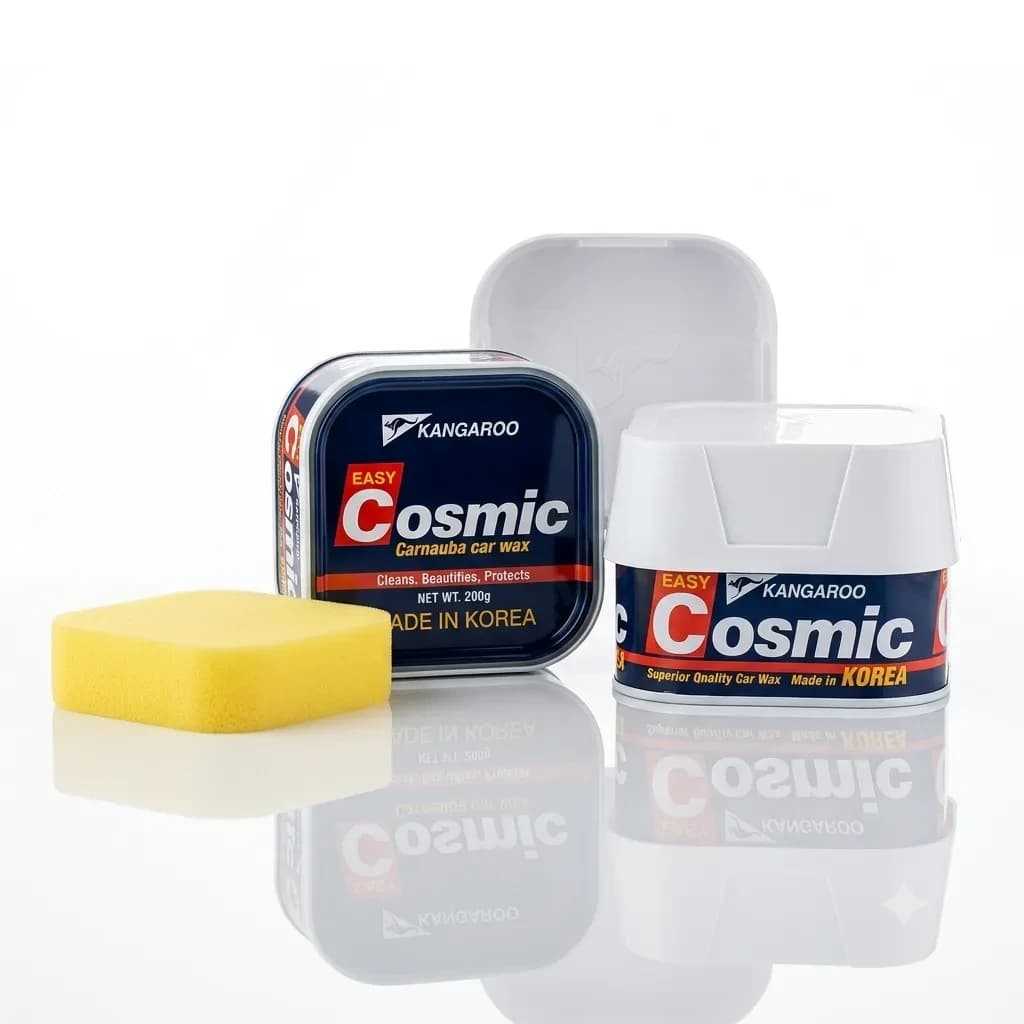
Twin Cities Gloss & Glow Combo (Cosmic Wax + 7CF Tyre Spray + Microfiber Towel)
Conquering Pakistani Roads: The Ultimate Guide to Wheel Balancing, Alignment & Suspension Survival
Navigating daily commutes across Lahore's construction zones, Karachi's notorious craters, or Islamabad's sudden speed bumps is a true test of automotive endurance. If your steering wheel feels like it has a mind of its own or your cabin sounds like a percussion ensemble every time you hit a rough patch, your vehicle is begging for attention. Driving on neglected infrastructure takes a brutal toll on your car's undercarriage, turning minor vibrations into expensive mechanical failures.
Achieving a smooth car ride tips the scale between a relaxing journey and a bone-jarring ordeal. Understanding the intricate mechanics of your vehicle can save you thousands of rupees in premature part replacements. Let us dive deep into the world of wheel balancing, precision alignment, and suspension diagnostics tailored specifically for Pakistani driving conditions.
The Anatomy of Undercarriage Stress on Local Roads
Every time your vehicle slams into an unpaved trench or navigates a poorly paved motorway expansion joint, extreme kinetic forces travel straight through your rims, tires, steering linkage, and dampening systems. Over time, these impacts cause components to shift, wear out, or bend.
Modern cars rely on a delicate harmony between geometry, weight distribution, and damping. When one element fails, a domino effect begins. Ignoring early warning signs accelerates tire tread wear, ruins fuel efficiency, and ultimately compromises your braking distance and steering control.
Wheel Balancing Importance: Why Grams Matter
Many drivers confuse wheel balancing with alignment, yet they address entirely different physical phenomena. Wheel balancing ensures that the weight of the tire and wheel assembly is distributed evenly around the axle. When a tire is out of balance, it creates heavy spots that pound against the road surface as the wheel spins.
Spotting Out-of-Balance Wheels
- High-Speed Steering Vibration: If your steering wheel begins to shimmy violently once you cross 80 km/h on the motorway, your front tires are likely unbalanced.
- Seat Vibration: If the entire cabin or your passenger seat vibrates, the imbalance is usually localized in the rear wheels.
- Uneven Cupping Wear: Tires develop patchy, scalloped bald spots because they bounce microscopically against the asphalt.
Advanced computerized spin balancers found in modern automated service stations use laser diagnostics to pinpoint exact weight discrepancies down to the single gram, attaching small lead or zinc weights to the alloy rims to restore equilibrium.
Decoding Wheel Alignment Signs: Keep It Straight
Wheel alignment refers to the adjustment of your car's suspension angles—specifically camber, caster, and toe—so that they meet manufacturer specifications. When potholes knock your suspension out of alignment, your tires no longer roll parallel to one another.
Critical Wheel Alignment Signs in Your Car
- Pulling to One Side: If you release the steering wheel on a flat road and the car immediately veers left or right, your alignment is compromised.
- Off-Center Steering Wheel: Your car drives straight, but the steering logo is tilted at an awkward angle.
- Squealing Tires: Tires emitting a faint squeal around normal turns often indicate severe toe misalignment dragging rubber across the asphalt.
- Rapid Shoulder Wear: Inspecting your tire tread reveals that the inner or outer edge is completely bald while the rest of the tread looks healthy.
Suspension Noise Causes & Pothole Damage
That jarring thud, clunk, or squeak echoing from beneath your dashboard is your suspension screaming for help. Suspension noise causes are directly tied to the impact force of potholes and speed breakers (speed dampeners) common across local neighborhoods.
Common Culprits Behind Undercarriage Noises
- Worn Struts and Shocks: Fluid leaks or internal valve failure cause the car to bounce excessively after hitting a bump.
- Expired Control Arm Bushings: Rubber bushings crack and disintegrate under heat and stress, allowing metal-on-metal contact that produces a sharp knocking sound.
- Faulty Strut Mounts: Bearings at the top of the suspension tower wear out, creating a popping sound when you rotate the steering wheel while stationary.
Tie Rod End and Ball Joint Symptoms
Your steering linkage depends heavily on ball joints and tie rod ends to pivot wheels safely. When these joints lose their internal grease or suffer mechanical wear from severe impacts, steering precision disappears.
Watch Out For These Symptoms:
- Loose or Vague Steering: A noticeable dead zone or play when you wiggle the steering wheel left and right before the tires actually respond.
- Clunking During Turns: A distinct metallic pop or clunk when entering driveways or executing sharp U-turns.
- Wandering Car: The vehicle refuses to track in a straight line, requiring constant micro-corrections from the driver.
| Maintenance Area | Primary Symptom | Root Cause | Recommended Action | Frequency |
|---|---|---|---|---|
| Wheel Balancing | Steering shake at high speeds | Uneven weight distribution on rim | Computerized spin balancing | Every 10,000 km |
| Wheel Alignment | Car pulls left or right | Pothole impact altering suspension angles | 3D Laser Alignment setup | Every 5,000 - 10,000 km |
| Suspension & Struts | Clunking noise over bumps, excessive bounce | Blown shock absorbers or cracked bushings | Replacement of struts and rubber bushings | As needed / 40,000 km |
| Steering Linkage | Loose steering play, popping on turns | Worn tie rod ends or ball joints | Inspect joint play and replace assembly | Every 20,000 km |
Smart Car Ride Tips for Rough Terrain
While you cannot magically pave every street, you can adopt driving habits and leverage modern accessories to protect your vehicle:
- The Momentum Rule: Never brake hard inside a pothole. Brake before you hit it, then release the brakes just as you roll through to let the suspension compress and rebound naturally.
- Tire Pressure Vigilance: Maintain optimal PSI levels specified on your driver-side door jamb. Under-inflated tires invite rim damage from deep potholes, while over-inflated tires make the ride unnecessarily harsh.
- Integrate Smart Car Tech: Utilize digital tire pressure monitoring systems (TPMS) and portable air compressors to monitor conditions on long road trips across provinces.
Maintaining your car's undercarriage is an investment in safety, comfort, and resale value. By keeping an eye out for early alignment anomalies and addressing suspension noises promptly, you can ensure a butter-smooth ride no matter how challenging the road ahead becomes.
Pak-o-Drive Automotive Specialist
Verified Editorial LeadPakistani automotive technician and specialist reviewer. Covering summer cooling solutions, engine oils, suspension setups, and verified accessories tested across Pakistani highways and urban climate.
Frequently Asked Questions
Direct answers to Pakistani driver queries, car fitments & verified solutions.
1How often should I get my car wheels aligned and balanced in Pakistan?
Given the rough road conditions, speed breakers, and potholes in Pakistan, it is recommended to get your wheels balanced every 10,000 km and wheel alignment checked every 5,000 to 10,000 km, or immediately after hitting a major pothole.
2What is the difference between wheel balancing and wheel alignment?
Wheel balancing corrects heavy spots on the tire and wheel assembly to stop vibrations at high speeds. Wheel alignment adjusts the suspension angles (camber, caster, toe) so your tires run parallel to each other and perpendicular to the ground, preventing uneven tire wear and steering pull.
3What causes suspension noises when driving over potholes?
Suspension noises are typically caused by worn-out rubber bushings, damaged shock absorbers/struts, failing ball joints, or loose sway bar links that allow metal components to strike each other under impact.
4How do I know if my tie rod ends are bad?
Symptoms of bad tie rod ends include loose or sloppy steering play, a wandering car that is hard to keep in a straight lane, uneven tire wear, and a sharp clunking or clicking noise when turning the steering wheel.
Confused about vehicle fitment or part compatibility?
Consult directly with our automotive specialist on WhatsApp. Get instant sizing confirmation & 100% Cash on Delivery across Pakistan.
Recommended Upgrades & Genuine Accessories
100% Cash On Delivery• 7-Day Checking Warranty
BUSHIN Solar Powered Motorcycle Model Dashboard Perfume Diffuser - Grey/Black


Leave a Reply
Your email address will not be published. Required fields are marked *