Suzuki Mehran & Cultus Cooling System Optimization: Radiator Cleaning & Coolant Guide
Master your Suzuki Mehran and Cultus cooling systems. Learn expert radiator cleaning techniques, coolant vs water facts, thermostat valve care, and prevent overheating permanently.
Table of Contents (6 Sections)
- There is a familiar, dreaded panic that sets in for many drivers during the blistering summer months: watching the temperature gauge steadily creep toward the red zone while idling in heavy urban traffic.
- For millions of motorists relying on the ubiquitous Suzuki Mehran and Suzuki Cultus, managing thermal efficiency is not just routine upkeep—it is a daily mechanical battle.
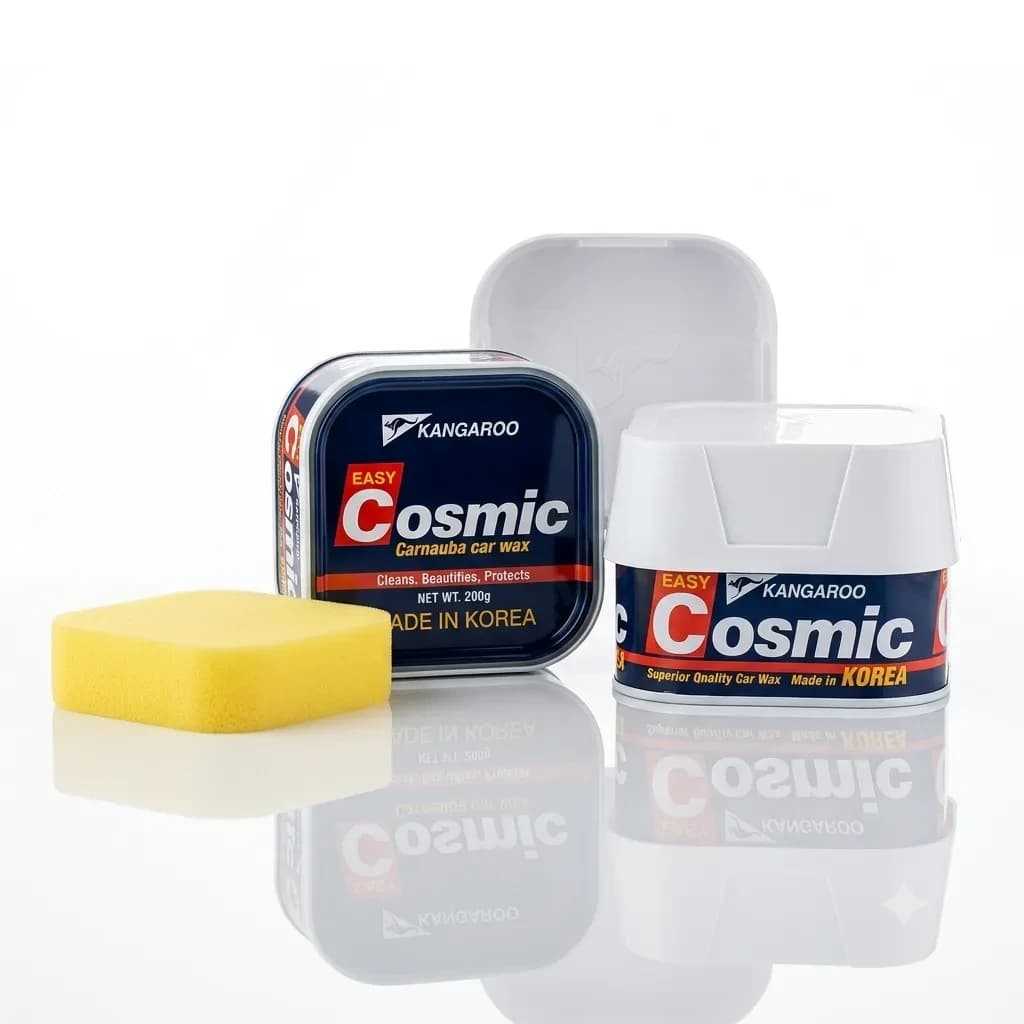
Twin Cities Gloss & Glow Combo (Cosmic Wax + 7CF Tyre Spray + Microfiber Towel)
Suzuki Mehran & Cultus Cooling System Optimization: Radiator Cleaning & Coolant Guide
There is a familiar, dreaded panic that sets in for many drivers during the blistering summer months: watching the temperature gauge steadily creep toward the red zone while idling in heavy urban traffic. For millions of motorists relying on the ubiquitous Suzuki Mehran and Suzuki Cultus, managing thermal efficiency is not just routine upkeep—it is a daily mechanical battle.
Despite their reputation for bulletproof reliability and fuel economy, older and modern iterations of these hatchbacks demand strict thermal discipline. Whether you are dealing with a classic carbureted Mehran or an EFI Cultus, understanding how to prevent engine overheating requires a deep dive into fluid dynamics, thermostat mechanics, and smart digital diagnostic habits.
The Anatomy of Suzuki Overheating: Why Do Mehran & Cultus Heat Up?
Every internal combustion engine generates massive amounts of thermal energy. When cooling systems fail, the aluminum cylinder head warps, head gaskets blow, and repair bills skyrocket. Finding a definitive mehran engine heat up solution starts with identifying the root causes: clogged radiator cores, weak water pumps, stuck thermostat valves, or the dangerous practice of running straight tap water.
Radiator Coolant vs Water: The Eternal Debate
Many veteran mechanics of the old school still casually recommend pouring plain tap water into the radiator. This is a catastrophic mistake.
Water has high thermal capacity, but it also boils at 100°C and freezes at 0°C, causing rapid cavitation, mineral scaling, and rust. Modern ethylene glycol-based coolants raise the boiling point to over 130°C and lower the freezing point, while containing vital anti-corrosive additives.
| Feature | Plain Tap Water | Premium Ethylene Glycol Coolant |
|---|---|---|
| Boiling Point | 100°C (Standard) | 125°C to 135°C (Pressurized) |
| Corrosion Protection | None (Promotes rust & scale) | High (Protects aluminum & iron) |
| Lubrication | Zero lubrication for water pump | Lubricates water pump seals |
| Lifespan | Needs frequent refilling | 20,000 to 40,000 kilometers |
Mastering the Suzuki Cultus Thermostat Valve
The thermostat valve acts as the intelligent gatekeeper of your engine's thermal ecosystem. Located inside the coolant housing, it remains shut during a cold start to let the engine reach optimal operating temperature quickly. Once heated, it opens to allow fluid to circulate through the radiator.
In the Suzuki Cultus, a jammed-shut thermostat valve is a primary trigger for sudden overheating. Conversely, removing the thermostat entirely—a popular, misguided shortcut taken by hurried mechanics—causes the engine to run too cool, dropping fuel efficiency and accelerating piston ring wear.
Troubleshooting Thermostat Health
- Symptoms of a Stuck Valve: Rapid temperature spikes on highways, lower radiator hose remaining cool while the top hose is burning hot.
- Best Practice: Replace the thermostat valve every 40,000 kilometers or during a major coolant flush.
- Testing Method: Drop the removed valve into boiling water; it should visibly open within seconds.
Fan Direct Cooling: Pros and Cons
A common modification in older Suzuki Mehran models is rigging the radiator cooling fan to run 'direct'—meaning it spins continuously whenever the ignition is switched on, bypassing the thermo-switch.
The Pros:
- Eliminates the risk of a faulty thermo-switch failing to trigger the fan.
- Provides constant airflow through the radiator core in heavy stop-and-go traffic.
The Cons:
- Places continuous, unnecessary electrical load on the alternator and battery.
- Prevents the engine from reaching its ideal operating temperature quickly on cold mornings.
- Masks underlying cooling system inefficiencies instead of fixing them.
Step-by-Step Radiator Flushing and Cleaning
Over time, sediment, rust flakes, and scaling clog the delicate aluminum fins inside the radiator. A professional DIY flush restores peak thermal transfer.
- Drain the System: Let the engine cool completely. Open the radiator drain plug or disconnect the lower radiator hose, capturing old fluid in a pan.
- Run a Chemical Flush: Fill the system with clean water and a specialized radiator flushing agent. Run the engine for 15 minutes with the heater turned on.
- Flush with Clean Water: Drain the cloudy mixture and flush fresh water through the filler neck until it runs completely clear.
- Refill with Quality Coolant: Fill the system with a 50/50 mix of distilled water and concentrated ethylene glycol coolant. Bleed all trapped air pockets by running the engine with the radiator cap open until the thermostat cycles.
Leveraging Modern Tech & Smart Gadgets for Car Care
Modern automotive maintenance merges mechanical grit with smart digital tools. Enthusiasts can track exact engine telemetry using an OBD2 Bluetooth scanner paired with a smartphone app, monitoring real-time coolant temperatures far more accurately than factory dash needles.
To keep your vehicle interior pristine during maintenance sessions, consider equipping your toolkit with a portable car vacuum, keeping a reliable smart watch handy for precise timing during fluid flushes, or installing an air purifier in your cabin for optimal air quality during long road trips.
Summary Actionable Checklist to Prevent Overheating
- Inspect coolant levels in the expansion tank weekly before starting the engine.
- Check hoses for soft spots, cracks, or bulging.
- Clean the exterior radiator fins of bugs, mud, and debris using low-pressure compressed air.
- Replace radiator caps if they fail to hold system pressure (typically 0.9 to 1.1 bar).
Pak-o-Drive Automotive Specialist
Verified Editorial LeadPakistani automotive technician and specialist reviewer. Covering summer cooling solutions, engine oils, suspension setups, and verified accessories tested across Pakistani highways and urban climate.
Frequently Asked Questions
Direct answers to Pakistani driver queries, car fitments & verified solutions.
1Why does my Suzuki Mehran heat up only when running on CNG in summer?
CNG combustion burns significantly hotter than petrol, placing an extra thermal burden on the cooling system. If your Mehran radiator is partially choked, it can handle petrol combustion airflow but fails under the higher thermal output of CNG.
2Should I remove the thermostat valve in my Suzuki Cultus to stop overheating?
No. Removing the thermostat disrupts proper coolant flow dynamics, causing uneven engine temperatures, increased fuel consumption, and premature internal wear. Always replace a faulty thermostat rather than removing it.
3How often should I change the coolant in my Suzuki Mehran or Cultus?
It is recommended to completely drain, flush, and refill your cooling system with fresh coolant every 20,000 to 30,000 kilometers, or at least once a year before the summer season begins.
4Is fan direct cooling safe for daily driving?
While fan direct cooling is a common workaround for older Mehran models with faulty wiring or thermo-switches, it puts extra load on the alternator and prevents the engine from reaching ideal operating temperatures efficiently.
Confused about vehicle fitment or part compatibility?
Consult directly with our automotive specialist on WhatsApp. Get instant sizing confirmation & 100% Cash on Delivery across Pakistan.
Recommended Upgrades & Genuine Accessories
100% Cash On Delivery• 7-Day Checking Warranty



Leave a Reply
Your email address will not be published. Required fields are marked *