Preventing Highway Tyre Blowouts in Extreme Summer: The Exact PSI Pressure Formula
Master extreme summer highway safety with our expert guide. Learn the exact PSI pressure formula, tyre blowout prevention tips, and why digital inflator gauges save lives.

Table of Contents (6 Sections)
- Imagine cruising down a blistering motorway at 70 mph when a deafening *bang* shatters the cabin calm.
- Your SUV instantly pulls hard to the left, the steering wheel vibrates violently, and you are suddenly fighting for control amid a sea of rushing traffic.
- This isn't a scene from an action thriller—it is the terrifying reality of a high-temperature highway tyre blowout.
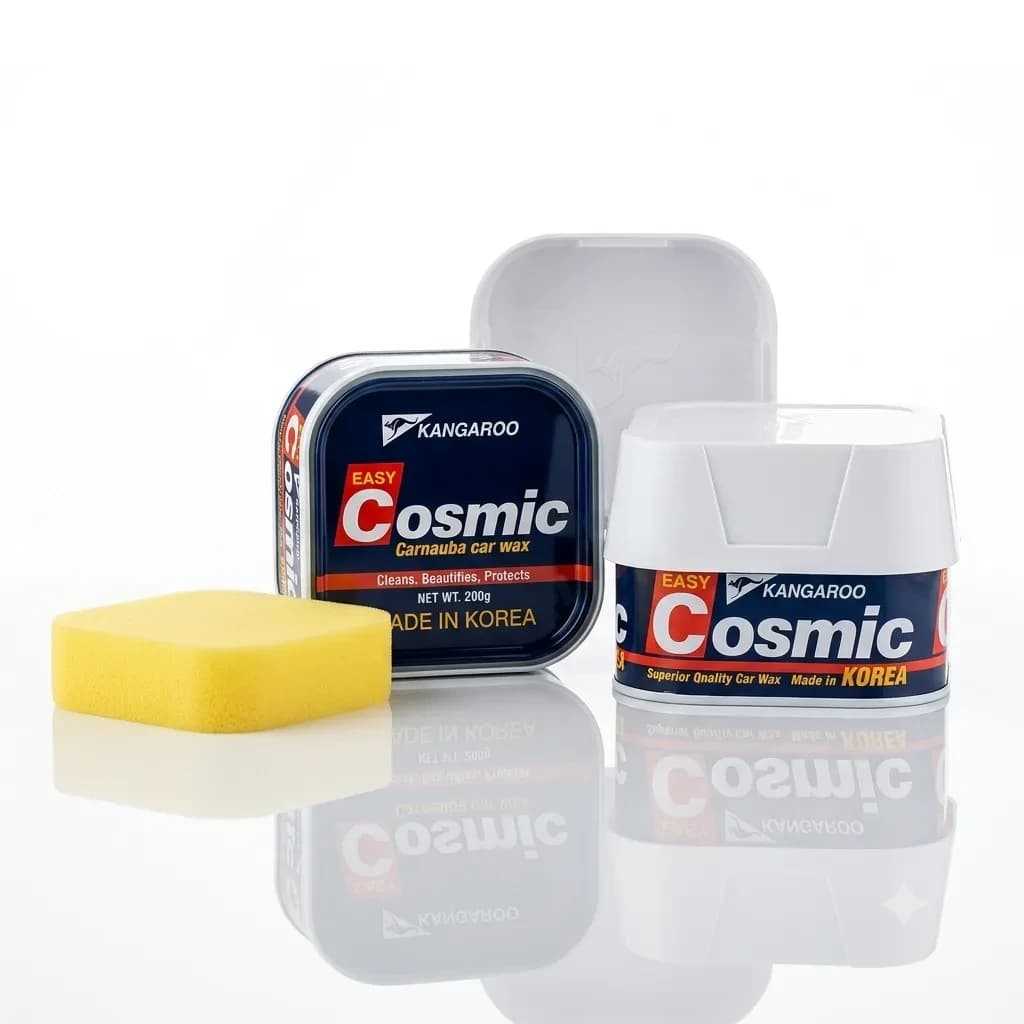
Twin Cities Gloss & Glow Combo (Cosmic Wax + 7CF Tyre Spray + Microfiber Towel)
Preventing Highway Tyre Blowouts in Extreme Summer: The Exact PSI Pressure Formula
Imagine cruising down a blistering motorway at 70 mph when a deafening bang shatters the cabin calm. Your SUV instantly pulls hard to the left, the steering wheel vibrates violently, and you are suddenly fighting for control amid a sea of rushing traffic. This isn't a scene from an action thriller—it is the terrifying reality of a high-temperature highway tyre blowout.
As asphalt temperatures soar past 140°F (60°C) during peak summer months, rubber compounds face their ultimate stress test. Overinflated, underinflated, or worn-out tyres become ticking time bombs under the relentless combination of friction, load, and ambient heat.
As an automotive journalist and technical advisor who has spent decades tearing up test tracks and analyzing forensic crash data, I am here to pull back the curtain on tyre safety. We are moving beyond generic advice to master the exact science, mathematics, and tactical maintenance habits required to keep your family safe on the scorching summer asphalt.
The Physics of Heat: Why Summer Roads Destroy Tyres
To understand tyre blowout prevention motorway strategies, we must first look at the invisible forces at play. When your vehicle rolls down the highway, the tyre flexes continuously against the road surface. This constant flexing generates internal friction, which converts mechanical energy into heat.
During winter, ambient air cools the tyre. But in extreme summer conditions, the pavement acts like a giant skillet. The heat transfers directly into the rubber, causing the air molecules inside the casing to expand rapidly.
The Golden Rule of Thermal Expansion
For every 10°F (approx. 5.5°C) increase in ambient temperature, your tyre pressure increases by roughly 1 to 2 PSI. If you set your tyres to their cold rating in the chilly morning garage and drive onto a blazing interstate highway, that pressure can easily spike by 5 to 7 PSI. If your tyre was already structurally compromised or underinflated—leading to excessive sidewall flexing—that extra heat push can trigger a catastrophic tread separation.
The Exact Summer PSI Pressure Formula
Most drivers make a fatal mistake: they check their tyres after driving. Friction heats the air inside, giving you a falsely inflated reading. To execute correct summer tyre pressure psi adjustments, you must master the cold inflation formula.
The Calculation Steps:
- Establish Baseline: Locate the manufacturer's recommended cold PSI rating on the placard inside your driver’s side door jamb (never use the maximum PSI printed on the tyre sidewall).
- The Ambient Correction Factor: If you are storing and inflating your vehicle in an air-conditioned garage (e.g., 68°F) and driving out into a 100°F summer heatwave, add 1 to 2 PSI to your cold target to compensate for the initial thermal shock drop when parking in shaded areas, or stick strictly to the placard if measured outdoors in ambient morning shade.
- Never Bleed Hot Tyres: If your tyre pressure warning light triggers mid-journey, do not let air out. Hot air expands, making the pressure look high. Bleeding air out of a hot tyre guarantees that when the rubber cools down overnight, you will be dangerously underinflated the next morning.
Essential Tools for Modern DIY Vehicle Care
Gone are the days of guessing with sketchy petrol station dial gauges that have been dropped a thousand times by reckless motorists. Modern DIY vehicle care demands precision instruments.
- Digital Tyre Inflator Gauge: Investing in a high-precision digital tyre inflator gauge plugs directly into your 12V socket or portable battery pack. It allows you to dial in the exact tenth of a PSI, eliminating human error.
- Portable Air Compressors: Compact, smart-shutoff inflators let you top off your tyres right in your driveway before embarking on a long road trip.
- Tread Depth Gauges: A simple mechanical or digital depth probe prevents you from rolling out on bald rubber.
Nitrogen vs. Air in Car Tyres: Does It Matter in Summer?
One of the most heavily debated topics in modern garages is the choice between standard compressed air and pure nitrogen. Let's separate marketing hype from physical reality.
| Feature | Standard Compressed Air (approx. 78% Nitrogen, 21% Oxygen) | Pure Nitrogen (95%+ Concentration) |
|---|---|---|
| Pressure Stability | Fluctuates moderately with temperature swings | Highly stable; less prone to dramatic PSI shifts in extreme heat |
| Moisture Content | Contains ambient humidity which expands more under heat | Completely dry; eliminates moisture-induced internal corrosion |
| Leak Rate | Oxygen molecules permeate rubber slightly faster than nitrogen | Larger nitrogen molecules leak out at a much slower rate |
| Cost & Availability | Free at many stations or low cost; widely available | Requires specialized refill stations; often carries a fee |
The verdict? While pure nitrogen is fantastic for race cars and heavy commercial fleets exposed to extreme thermal cycles, modern air maintenance with a reliable digital gauge is entirely sufficient for daily drivers—provided you check your pressures monthly.
How to Check Tyre Tread Wear Like a Pro
Pressure is only half the battle. You can have the exact optimal PSI, but if your tread is gone, you are skating on a knife-edge—especially during sudden summer downpours that cause terrifying hydroplaning.
The Actionable Checklist:
- The Coin Test / Tread Gauge: Insert a standard coin into the main grooves of your tread. If the tread doesn't cover the inner details, your tyre is past its prime.
- Wear Bar Inspection: Look inside the grooves for small raised rubber bridges known as Tread Wear Indicators (TWIs). If these bars are flush with the surface, your tyre is legally and structurally done.
- Uneven Wear Diagnostics:
- Center Wear: Indicates chronic overinflation.
- Outer Shoulder Wear on Both Sides: Indicates chronic underinflation (the #1 cause of heat blowouts).
- One-Sided Edge Wear: Points to severe wheel misalignment or suspension damage.
Popular Vehicles & Smart Road Safety Tips
Whether you drive a nimble family hatchback like the Volkswagen Golf, a heavy electric crossover like the Tesla Model Y, or a rugged towing powerhouse like the Ford F-150, weight distribution dictates tyre health. Heavy EVs, for instance, pack massive battery weight that increases continuous rolling resistance. If you drive a heavier vehicle, inspect your tyres bi-weekly during July and August.
Smart Road Safety Action Plan:
- Never exceed speed ratings: Sustained high speeds on hot motorways exponentially increase heat generation.
- Take rest breaks: Every two hours, pull off at a service station. Walk around your car, check your wheels, and let both you and your tyres cool down.
- Pack light and smart: Avoid overloading your vehicle beyond its Gross Vehicle Weight Rating (GVWR), as excess weight on hot tyres accelerates structural failure.
By treating your tyres with the technical respect they deserve, you transform a potential highway hazard into a smooth, safe, and fuel-efficient journey.
Pak-o-Drive Automotive Specialist
Verified Editorial LeadPakistani automotive technician and specialist reviewer. Covering summer cooling solutions, engine oils, suspension setups, and verified accessories tested across Pakistani highways and urban climate.
Frequently Asked Questions
Direct answers to Pakistani driver queries, car fitments & verified solutions.
1Should I let air out of my car tyres when driving in extreme summer heat?
No, never bleed air out of hot tyres. Driving generates friction that temporarily increases tyre pressure. If you release air while hot, the tyre will become dangerously underinflated once it cools down, leading to structural flexing and potential blowouts.
2What is the best way to check summer tyre pressure accurately?
Always check your tyre pressure when the tyres are 'cold'—meaning the car has been parked for at least three hours or driven less than a mile. Use a high-quality digital tyre inflator gauge for precise readings matching your door placard specifications.
3How often should I check my tyre pressure and tread wear during summer?
During extreme summer weather, check your tyre pressure at least every two weeks, and always inspect your tread depth before embarking on long motorway journeys.
4Does nitrogen really prevent tyre blowouts better than regular air?
Nitrogen maintains more stable pressure during extreme temperature swings because it lacks moisture and diffuses through rubber slower than oxygen. However, it does not replace the need for regular manual pressure checks and maintenance.
Confused about vehicle fitment or part compatibility?
Consult directly with our automotive specialist on WhatsApp. Get instant sizing confirmation & 100% Cash on Delivery across Pakistan.
Recommended Upgrades & Genuine Accessories
100% Cash On Delivery• 7-Day Checking Warranty

Leave a Reply
Your email address will not be published. Required fields are marked *