Mastering DIY Car Interior Deep Cleaning: From High-Power Vacuums to Advanced Dashboard Protection
Discover the ultimate step-by-step guide to professional-grade car detailing at home. Learn how to use portable high-power car vacuums, fabric cleaners, and UV dashboard sprays to revitalize your ride.

Table of Contents (6 Sections)
- Cordless vs. Corded: Modern lithium-ion cordless units offer incredible mobility for reaching tight seat rails, but ensure they boast a minimum of 15–20 minutes of high-suction runtime.
- Attachment Integration: Always utilize a rubberized pet-
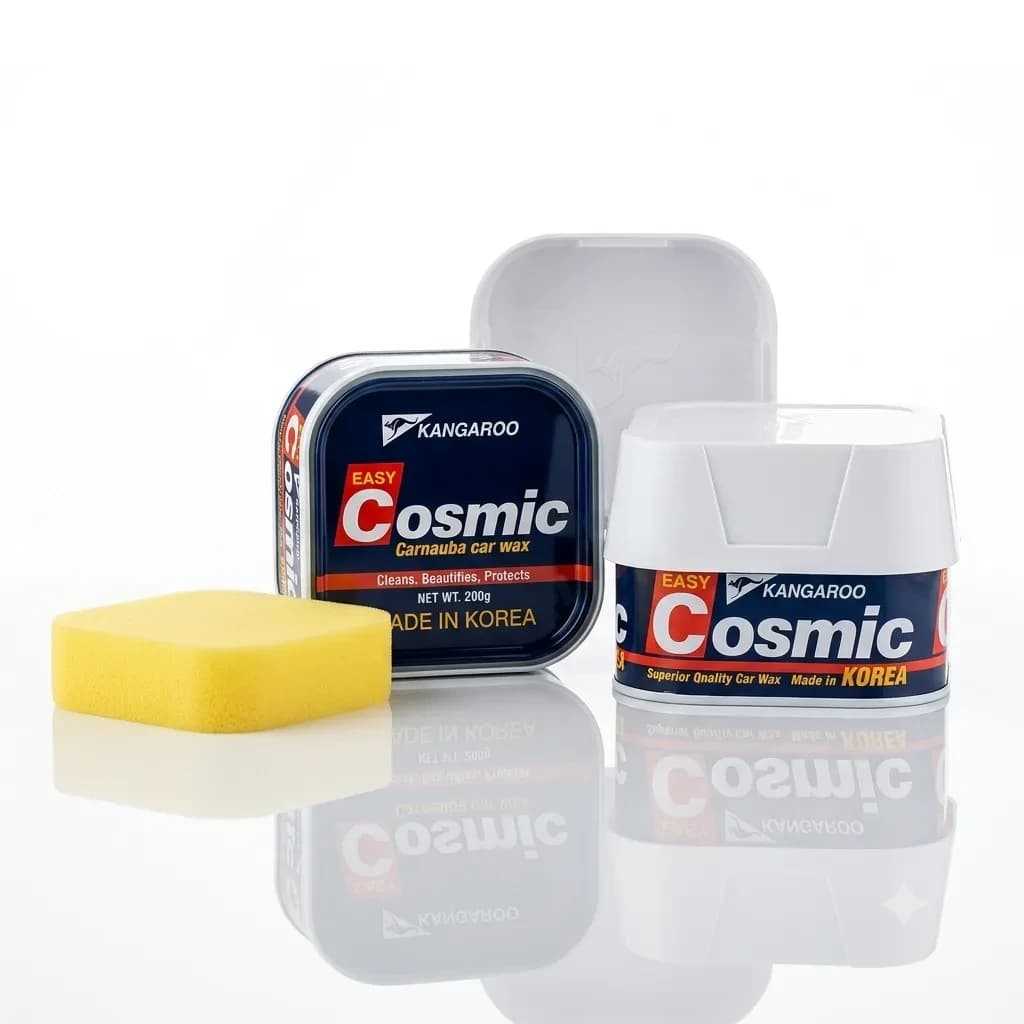
Twin Cities Gloss & Glow Combo (Cosmic Wax + 7CF Tyre Spray + Microfiber Towel)
Mastering DIY Car Interior Deep Cleaning: From High-Power Vacuums to Advanced Dashboard Protection
Your car’s interior is a micro-ecosystem of dust, micro-abrasive grit, skin cells, and UV-baked plastics. While drive-thru car washes excel at stripping exterior road grime, they routinely ignore the cockpit where you actually spend your time. Relying on professional detailing services every few months can quickly drain your wallet, but achieving a showroom-grade finish at home is entirely within reach.
By leveraging modern smart automotive care gadgets, specialized chemical solutions, and a systematic workflow, you can execute a diy car interior cleaning routine that outperforms commercial alternatives. This comprehensive guide details the exact protocols, tool selections, and preventative maintenance strategies required to preserve your vehicle's aesthetic and resale value.
Phase 1: The Foundation — Engineering a High-Extraction Vacuum Protocol
The most common mistake DIY detailers make is wiping down surfaces before extracting loose debris. When dust meets damp microfiber cloths or cleaning sprays, it transforms into an abrasive sludge that grinds into vinyl grains and seat weaves.
Choosing the Right Suction Power
To effectively lift embedded pet hair, sand, and deep-pile grit, a standard household vacuum with a stiff hose simply will not suffice. You need a portable high power car vacuum equipped with a brushless motor capable of generating high air watts and sustained static water lift.
- Cordless vs. Corded: Modern lithium-ion cordless units offer incredible mobility for reaching tight seat rails, but ensure they boast a minimum of 15–20 minutes of high-suction runtime.
- Attachment Integration: Always utilize a rubberized pet-hair removal tool for upholstery and a crevice tool with angled airflow to dislodge debris trapped between the center console and seat bolsters.
Step-by-Step Extraction Strategy
- Remove All Mats and Cargo Liners: Shake and beat rubber mats outdoors, or vacuum and shampoo carpeted mats completely flat.
- Top-to-Bottom, Back-to-Front: Start from the rear cargo area or back seats, working your way forward. This ensures any displaced dust is captured in the final sweeping zones.
- Agitate While You Vacuum: Pair your vacuum nozzle with a stiff-bristled interior detailing brush. Flicking the bristles instantly dislodges stubborn sand grains from woven floor mats while active suction pulls them away.
Phase 2: Banishing Stains — How to Safely Clean Fabric and Leather Seats
Different upholstery materials demand entirely different chemical approaches. Applying harsh all-purpose cleaners to delicate leather or untreated wool-blend fabrics can cause irreversible discoloration and fiber degradation.
How to Clean Fabric Car Seats
Fabric seats act as giant sponges for spilled coffee, sweat, and organic oils.
- Pre-Spray & Dwell: Apply a foaming enzymatic fabric cleaner designed to break down protein-based stains. Let it dwell for 3 to 5 minutes without allowing it to dry.
- Mechanical Agitation: Use a soft-to-medium drill brush attachment on a cordless drill at low RPM to work the foam into a lather. This lifts embedded oils without fraying the weave.
- Extraction: Blot vigorously with a clean, high-pile microfiber towel or use a compact hot-water extractor to pull the suspended dirt out of the foam core.
Revitalizing Leather Upholstery
Leather requires a two-step philosophy: gentle pH-balanced cleaning followed by systemic nourishment.
- pH-Balanced Cleaner: Spray a dedicated leather cleaner onto a horsehair detailing brush, not directly onto the seat. Gently massage the surface to foam away body oils.
- Conditioning & UV Shielding: Once dry, apply a lanolin-based conditioner that restores suppleness and leaves a non-greasy, matte OEM finish.
Phase 3: Cockpit Armor — Defending Your Dash with UV Polish Sprays
Dashboard plastics and instrument clusters bear the brunt of solar radiation, leading to structural fading, micro-cracking, and annoying windshield glare caused by off-gassing plastics.
The Science of Dashboard UV Protection
A premium dashboard uv polish spray does more than just add temporary gloss; it deposits a physical and chemical UV-blocking barrier that reflects UVA and UVB rays. Avoid cheap petroleum-based dressings that leave a slick, greasy residue that attracts dust like a magnet and can permanently damage vinyl over time.
Application Best Practices
- Dust First: Use a soft-bristled detailing brush or a compressed air duster to clear out air vents and seams.
- Matte vs. Gloss: Opt for a satin or matte finish spray to prevent hazardous glare reflecting off your windshield during bright daylight driving.
- Buff to Perfection: Spray the product directly onto a clean microfiber applicator pad, work it evenly across the dash, and immediately buff away any excess with a dry secondary microfiber towel.
Essential Detailing Tool Comparison
To build an effective detailing arsenal, evaluate your equipment choices based on power, efficiency, and surface safety. Below is a breakdown of core gear used by professional detailers:
| Tool Category | Recommended Spec / Type | Primary Benefit | Avoid / Warning |
|---|---|---|---|
| Portable Car Vacuum | 12V Corded or Brushless Li-Ion | High static lift for embedded sand | Weak cigarette-lighter powered units |
| Interior Brushes | Horsehair & Boar's Hair Bristles | Safe on soft leather and piano black trim | Stiff nylon brushes on delicate nav screens |
| Microfiber Towels | 350-500 GSM, Edgeless Plush | Streak-free drying and polish removal | Cheap polyester blends that scratch clear coats |
| UV Protectant | Water-based, anti-static formula | Prevents dashboard cracking and dust cling | Greasy silicone sprays that cause glare |
Phase 4: Essential Car Detailing Accessories for the Final Touch
The difference between a mediocre clean and a professional transformation lies in the micro-details. Keep these car detailing accessories in your trunk kit:
- Detailing Gel/Putty: Perfect for pulling stubborn dust and lint out of air vents, cup holders, and steering wheel button gaps.
- Long-Handled Glass Wand: Designed with a pivoting triangular head to easily reach the inside corners of heavily sloped windshields.
- Dual-Sided Microfiber Mitts: Allows you to dust instrument clusters and touchscreens safely without scratching delicate anti-glare coatings.
Conclusion: Maintaining Your Pristine Cockpit
Achieving a pristine car interior is a rewarding project that elevates your daily driving experience. By combining a portable high power car vacuum with specialized upholstery care and a quality dashboard uv polish spray, you protect your investment against the relentless wear and tear of daily commutes. Adopt a 10-minute weekly maintenance routine—quick vacuum sweeps and micro-dusting—and your car will maintain that unforgettable new-car feel year after year.
Pak-o-Drive Automotive Specialist
Verified Editorial LeadPakistani automotive technician and specialist reviewer. Covering summer cooling solutions, engine oils, suspension setups, and verified accessories tested across Pakistani highways and urban climate.
Frequently Asked Questions
Direct answers to Pakistani driver queries, car fitments & verified solutions.
1How do I remove deep-set pet hair from fabric car seats?
Use a specialized rubber pet-hair detailing brush or a damp rubber squeegee glove. The rubber creates static friction that rolls pet hair into easily manageable clumps, which can then be instantly lifted away with a high-power car vacuum.
2Are household all-purpose cleaners safe to use on a car dashboard?
Generally, no. Household cleaners often contain harsh alcohols or ammonia that strip natural oils from leather and dry out vinyl plastics, leading to premature cracking and fading.
3Why does my dashboard look greasy after applying protectant?
Greasy dashes are typically caused by low-quality, petroleum-based silicone dressings. Switch to a water-based matte or satin UV protectant spray, and always buff the surface thoroughly with a clean microfiber towel after application.
4How often should I deep clean my car interior?
A comprehensive deep clean involving seat extraction, leather conditioning, and UV protection should be performed every 3 to 6 months, supplemented by light vacuuming and surface dusting every two weeks.
Confused about vehicle fitment or part compatibility?
Consult directly with our automotive specialist on WhatsApp. Get instant sizing confirmation & 100% Cash on Delivery across Pakistan.
Recommended Upgrades & Genuine Accessories
100% Cash On Delivery• 7-Day Checking Warranty
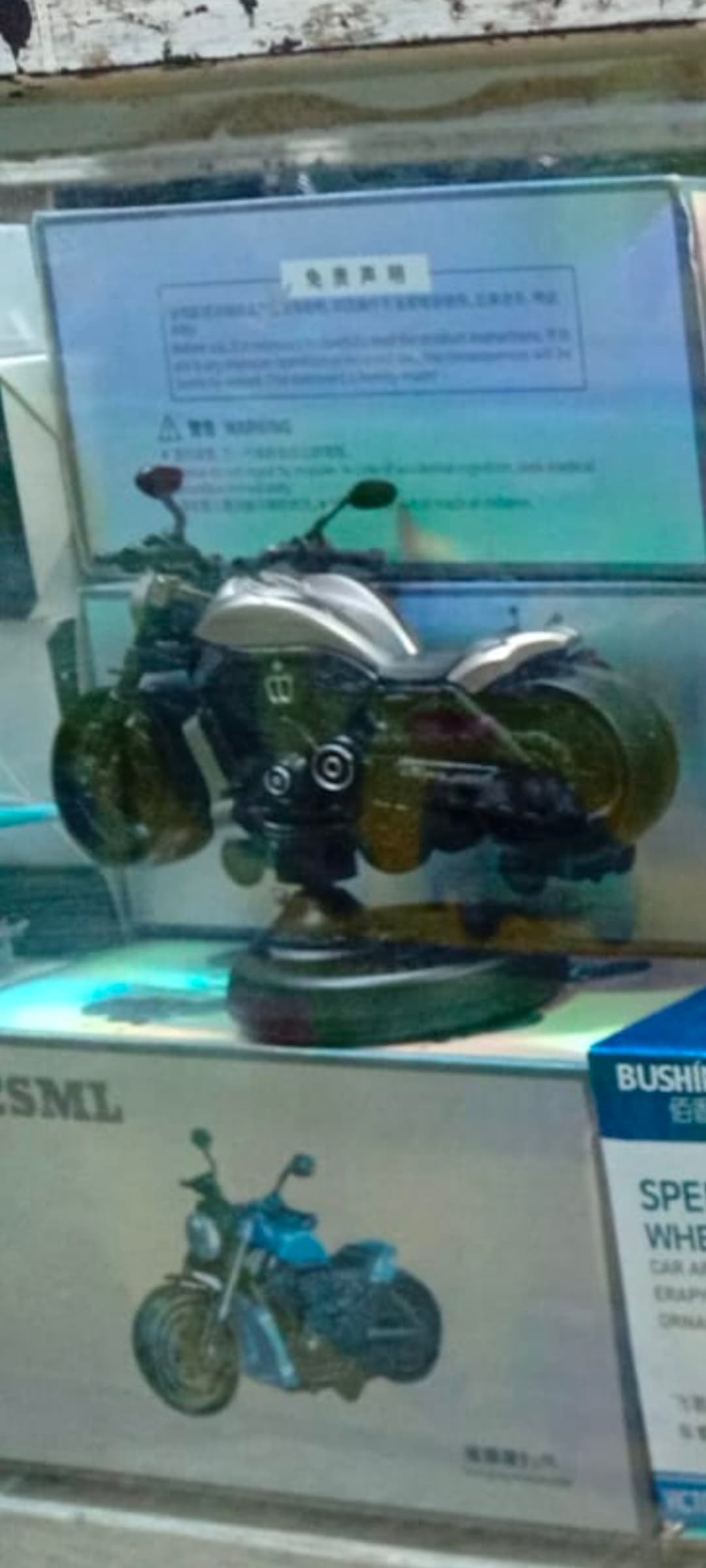
BUSHIN Solar Powered Motorcycle Model Dashboard Perfume Diffuser - Grey/Black

Leave a Reply
Your email address will not be published. Required fields are marked *