Complete DIY Car Interior Deep Cleaning: Dashboard Protection, Leather Seats & High-Power Vacuums
Master professional-grade car detailing at home with our definitive guide to diy car interior cleaning, high-power vacuums, UV dashboard protection, and advanced fabric seat restoration.
Table of Contents (7 Sections)
- Your car's interior is a micro-ecosystem that quietly collects microscopic dust, UV radiation damage, organic spills, and embedded pet dander.
- While professional auto detailing shops routinely charge upwards of $300 for a comprehensive cabin overhaul, mastering the craft yourself yields superior results for a fraction of the cost.
- Armed with the right tools, modern chemical formulations, and a methodical workflow, you can transform your vehicle's cabin into a pristine, factory-fresh environment.
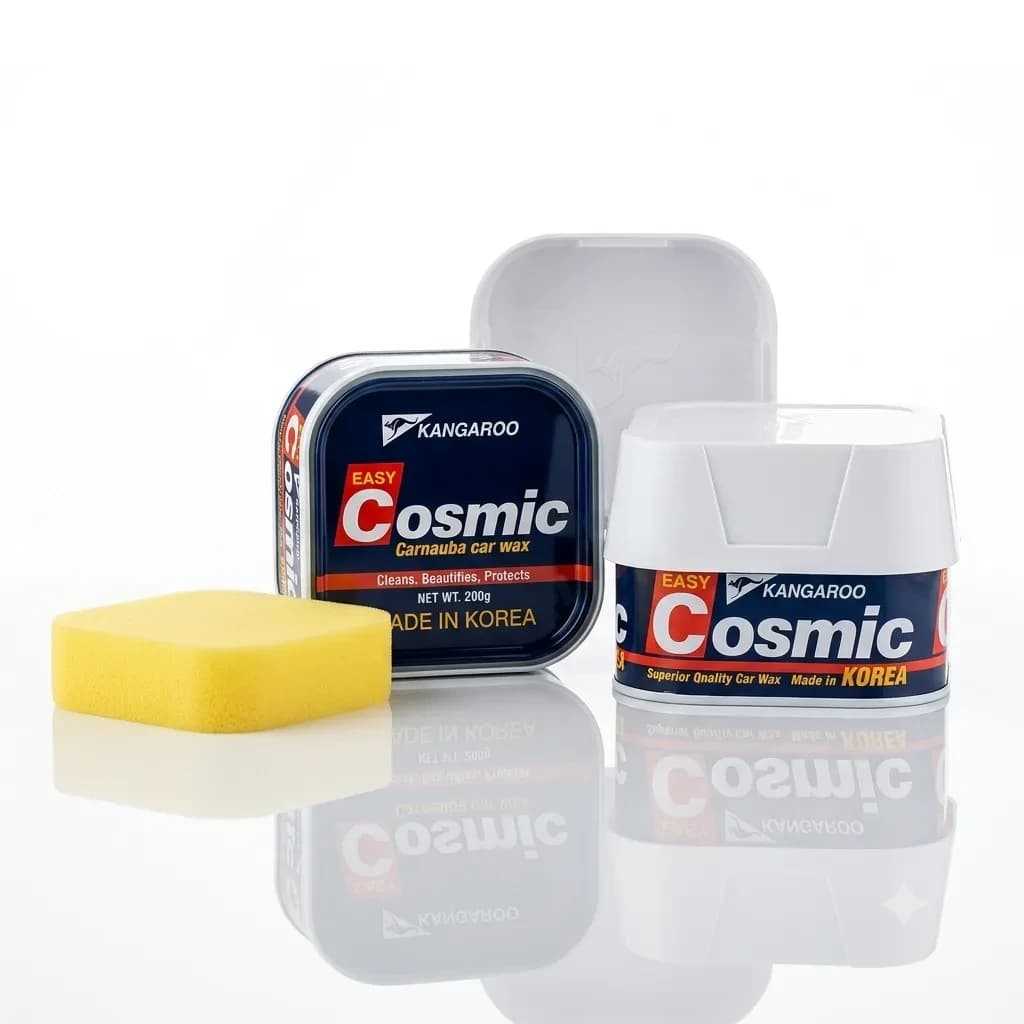
Twin Cities Gloss & Glow Combo (Cosmic Wax + 7CF Tyre Spray + Microfiber Towel)
Complete DIY Car Interior Deep Cleaning: Dashboard Protection, Leather Seats & High-Power Vacuums
Your car's interior is a micro-ecosystem that quietly collects microscopic dust, UV radiation damage, organic spills, and embedded pet dander. While professional auto detailing shops routinely charge upwards of $300 for a comprehensive cabin overhaul, mastering the craft yourself yields superior results for a fraction of the cost. Armed with the right tools, modern chemical formulations, and a methodical workflow, you can transform your vehicle's cabin into a pristine, factory-fresh environment.
Modern automotive care has evolved far beyond basic soap and water. Today's smart gadgetry, specialized polymer coatings, and high-efficiency suction devices allow enthusiasts to achieve professional-tier preservation right in their own driveways. Whether you are prepping your vehicle for resale or simply reclaiming your daily commute, this comprehensive guide delivers the exact blueprint needed for elite-level cabin restoration.
Phase 1: The Heavy Lifting – Deploying a Portable High Power Car Vacuum
The foundation of any successful interior detail begins with debris extraction. Standard household vacuums are notoriously clumsy, often failing to maneuver between tight seat rails, center consoles, and deep door pockets. Furthermore, dragging a heavy extension cord across your vehicle's paintwork invites accidental scratches.
To execute flawless diy car interior cleaning, investing in a dedicated portable high power car vacuum is non-negotiable. Modern units feature brushless DC motors capable of generating over 15,000Pa of suction, effortlessly pulling ground-in grit from dense automotive carpeting.
Step-by-Step Vacuuming Strategy
- Remove All Floor Mats: Extract all rubber or carpeted floor mats. Shake them vigorously, then treat them according to their material type (power wash rubber mats; vacuum and shampoo carpet mats).
- Slide Seats to Extremes: Move the driver and passenger seats fully forward to access the rear seat anchors, then slide them fully backward to clean beneath the front footwells.
- Use Crevice Attachments First: Never start with a wide brush nozzle. Use a narrow crevice tool to dislodge and suck up debris trapped in seat seams, cup holders, and air vents.
- Agitate While Suctioning: Pair your vacuum with a stiff-bristled detailing brush. Gently sweep the bristles across fabric seats and carpets while the nozzle tracks right behind, loosening stubborn pet hair and embedded sand.
Phase 2: Preserving Surfaces with Dashboard UV Polish Spray
Automotive dashboards bear the brunt of relentless solar radiation. Ultraviolet rays break down the plastic polymers in modern dashboards, leading to unsightly fading, chalky discoloration, and premature cracking. Simply wiping surfaces down with a damp cloth provides zero defense against photo-oxidation.
Applying a premium dashboard uv polish spray creates an invisible sacrificial barrier that blocks harmful UV-A and UV-B rays while restoring a rich, non-greasy OEM matte finish.
Application Best Practices
- Clean Before You Coat: Never spray protectant over dust. Wipe down the dash using an interior-safe multi-purpose cleaner and a microfiber towel.
- Apply to the Towel, Not the Surface: Spray your UV protectant directly onto a microfiber applicator pad rather than the dashboard. This prevents overspray from clouding your instrument cluster and windshield glass.
- Buff to a Natural Finish: Allow the protectant to dwell for 60 seconds, then use a clean, dry microfiber towel to buff away excess product. Avoid greasy silicone dressings that create dangerous glare on your front windshield.
Phase 3: Specialized Care – How to Clean Fabric Car Seats & Leather
Different upholstery types demand distinct chemical approaches. Treating delicate Nappa leather with harsh fabric detergents will strip natural oils, while using leather conditioner on porous cloth seats leaves behind an unmanageable mess.
How to Clean Fabric Car Seats
Stubborn stains on cloth upholstery require chemical breakdown and mechanical extraction:
- Vacuum Thoroughly: Ensure all loose surface dust is removed.
- Spray a Foaming Upholstery Cleaner: Apply a dedicated fabric cleaner designed to encapsulate dirt particles.
- Agitate with a Soft Horsehair Brush: Gently scrub the fibers in a circular motion to lift stains without fraying the weave.
- Extract with a Microfiber Towel: Blot—do not rub—the foam away using a clean, absorbent microfiber towel. For severe stains, use a portable carpet extractor or wet-dry vacuum.
Conditioning Leather Upholstery
Leather requires regular nourishment to maintain its suppleness:
- Use a pH-balanced leather cleaner paired with a textured foaming sponge to safely lift body oils and dye transfer from blue jeans.
- Follow up with a lanolin-rich leather conditioner to replenish essential moisture and prevent unsightly creases from turning into tears.
Essential Detailing Tools Comparison
To help you build your ultimate garage toolkit, evaluate the specifications and performance metrics of essential maintenance accessories below:
| Tool Category | Primary Function | Key Feature to Look For | Ideal Usage Frequency |
|---|---|---|---|
| Portable Car Vacuum | Debris & Pet Hair Removal | 15k+ Pa Suction, Cordless | Bi-weekly |
| UV Protectant Spray | Anti-Fading Dashboard Shield | Matte Finish, UV-A/B Blockers | Monthly |
| Interior Detailing Brush | Vent & Seam Dusting | Soft Boar’s Hair Bristles | Monthly |
| Leather Conditioning Kit | Hydration & Stain Defense | pH-Balanced Formula | Quarterly |
Phase 4: Upgrading Your Routine with Modern Detailing Accessories
Achieving showroom-quality results relies heavily on utilizing the correct detailing accessories. Ditch cheap household bath towels and paper towels, which leave microscopic lint and abrasive scratches on piano black plastic trim and navigation screens.
- 800 GSM Microfiber Towels: Ultra-plush, edge-less towels ensure safe buffing and wiping.
- Gel Cleaning Putty: A pliable, reusable cleaning slime that conforms effortlessly to air vent louvers and gear shift crevices.
- Detailing Swabs: Foam-tipped swabs allow you to clean dust out of tight button clusters and infotainment bezels without risking electrical damage.
Summary Checklist for DIY Interior Detailing
- Remove all personal items, trash, and floor mats.
- Vacuum headliner, seats, carpets, and trunk using a high-power portable vacuum.
- Clean and condition leather or shampoo fabric seats.
- Wipe down door panels, center console, and steering wheel.
- Apply UV protectant spray to the dashboard and plastic trim.
- Clean interior glass and navigation touchscreens with ammonia-free glass cleaner.
Frequently Asked Questions
Can I use household all-purpose cleaner on my car's dashboard?
It is strongly discouraged. Household cleaners often contain harsh ammonia, bleach, or alcohol that strips natural plastics, fades colored trims, and damages electronic displays. Always use automotive-specific interior cleaners.
How often should I vacuum and condition my car interior?
For daily drivers, a quick vacuum every two weeks keeps particulate buildup manageable. Leather conditioning should be performed every three to four months to protect against extreme seasonal temperature fluctuations.
What is the best way to remove pet hair from car seats?
While standard vacuums struggle with woven pet hair, specialized rubber pet hair detail brushes or damp rubber gloves generate static charge that effortlessly rolls pet fur into easy-to-grab clumps.
Does UV dashboard spray prevent cracking permanently?
While UV sprays cannot reverse existing structural damage, regular monthly applications drastically slow down thermal degradation, keeping your dashboard flexible and crack-free for years.
Pak-o-Drive Automotive Specialist
Verified Editorial LeadPakistani automotive technician and specialist reviewer. Covering summer cooling solutions, engine oils, suspension setups, and verified accessories tested across Pakistani highways and urban climate.
Frequently Asked Questions
Direct answers to Pakistani driver queries, car fitments & verified solutions.
1Can I use household all-purpose cleaner on my car's dashboard?
It is strongly discouraged. Household cleaners often contain harsh ammonia, bleach, or alcohol that strips natural plastics, fades colored trims, and damages electronic displays. Always use automotive-specific interior cleaners.
2How often should I vacuum and condition my car interior?
For daily drivers, a quick vacuum every two weeks keeps particulate buildup manageable. Leather conditioning should be performed every three to four months to protect against extreme seasonal temperature fluctuations.
3What is the best way to remove pet hair from car seats?
While standard vacuums struggle with woven pet hair, specialized rubber pet hair detail brushes or damp rubber gloves generate static charge that effortlessly rolls pet fur into easy-to-grab clumps.
4Does UV dashboard spray prevent cracking permanently?
While UV sprays cannot reverse existing structural damage, regular monthly applications drastically slow down thermal degradation, keeping your dashboard flexible and crack-free for years.
Confused about vehicle fitment or part compatibility?
Consult directly with our automotive specialist on WhatsApp. Get instant sizing confirmation & 100% Cash on Delivery across Pakistan.
Recommended Upgrades & Genuine Accessories
100% Cash On Delivery• 7-Day Checking Warranty
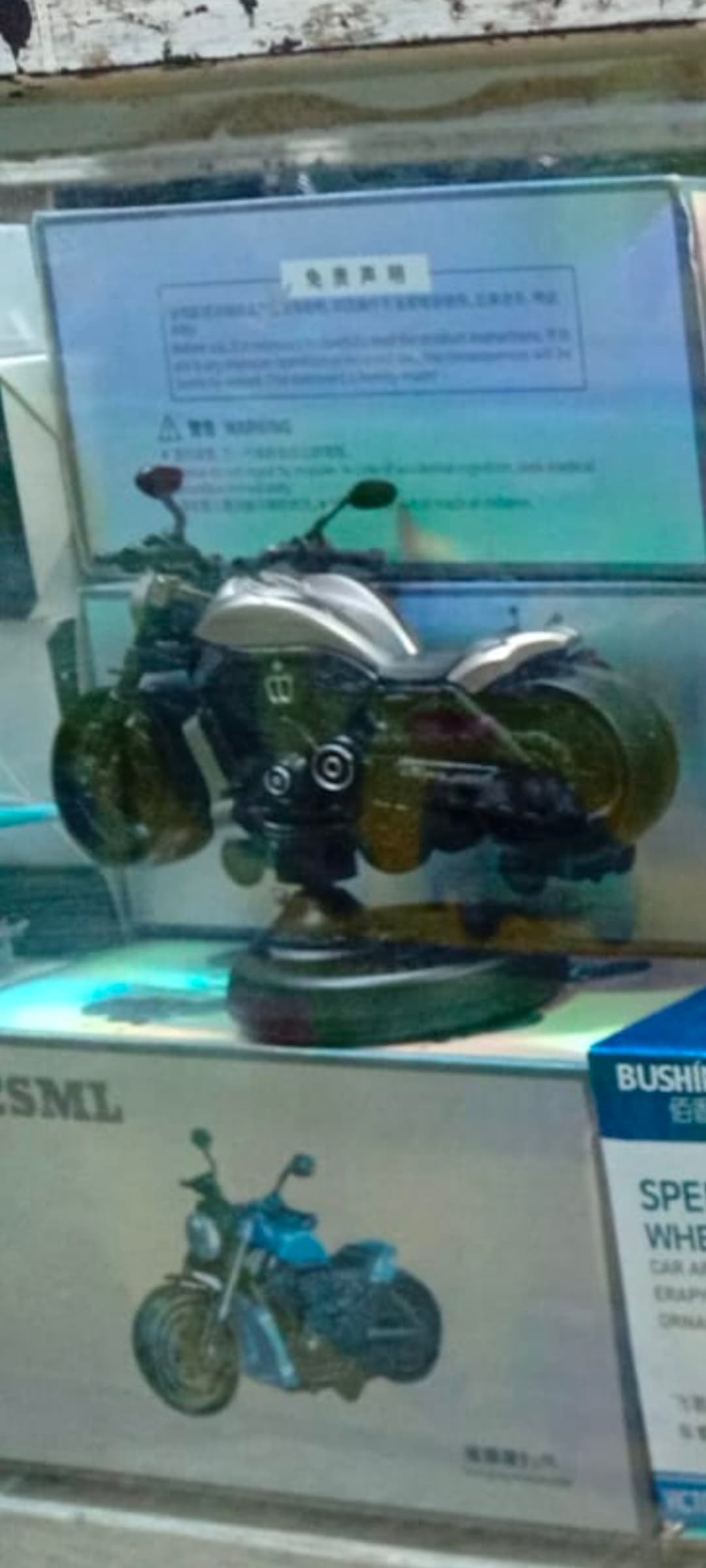
BUSHIN Solar Powered Motorcycle Model Dashboard Perfume Diffuser - Grey/Black
Leave a Reply
Your email address will not be published. Required fields are marked *